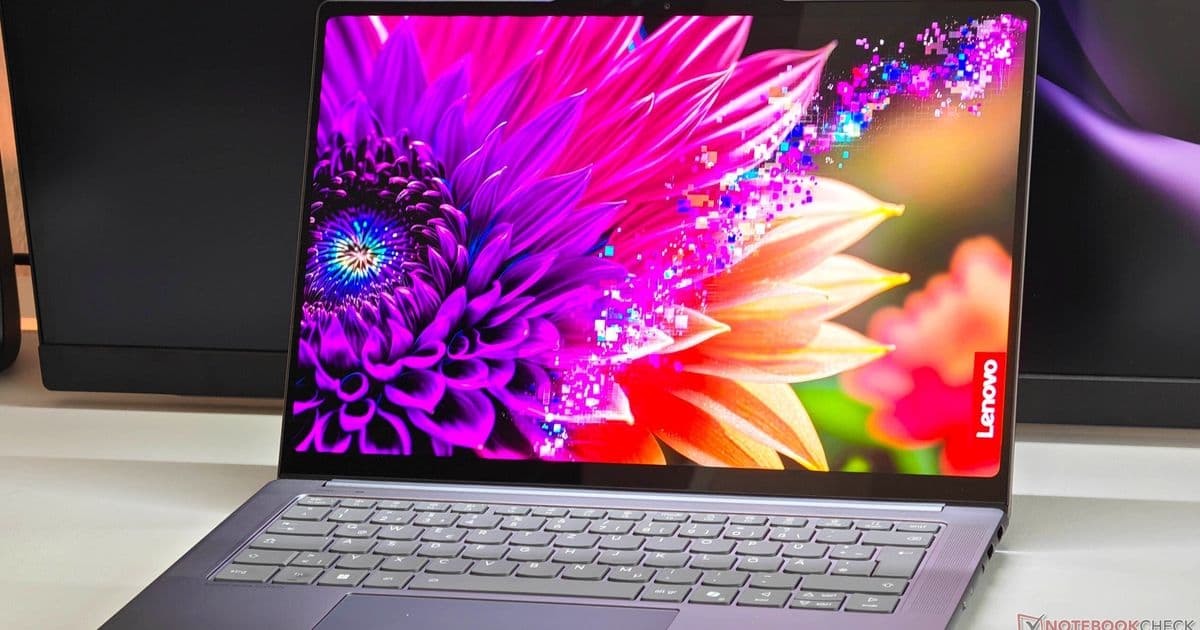
A retailer leak exposes the upcoming Lenovo Yoga Pro 7 powered by Nvidia and MediaTek's N1X ARM APUs, signaling a shift toward high-performance ARM-based Windows workstations.
The Windows laptop market is facing a significant architectural shift as Nvidia and MediaTek prepare to challenge the current dominance of x86 processors. A recent retailer leak from Eastern Europe has revealed the first concrete details regarding the Lenovo Yoga Pro 7, which will now include a version powered by the Nvidia N1X ARM APU. This move suggests that Nvidia is moving beyond providing just the GPU and is now integrating the CPU and GPU into a single, high-performance silicon package for the PC market.
The Hardware: Nvidia N1X Architecture
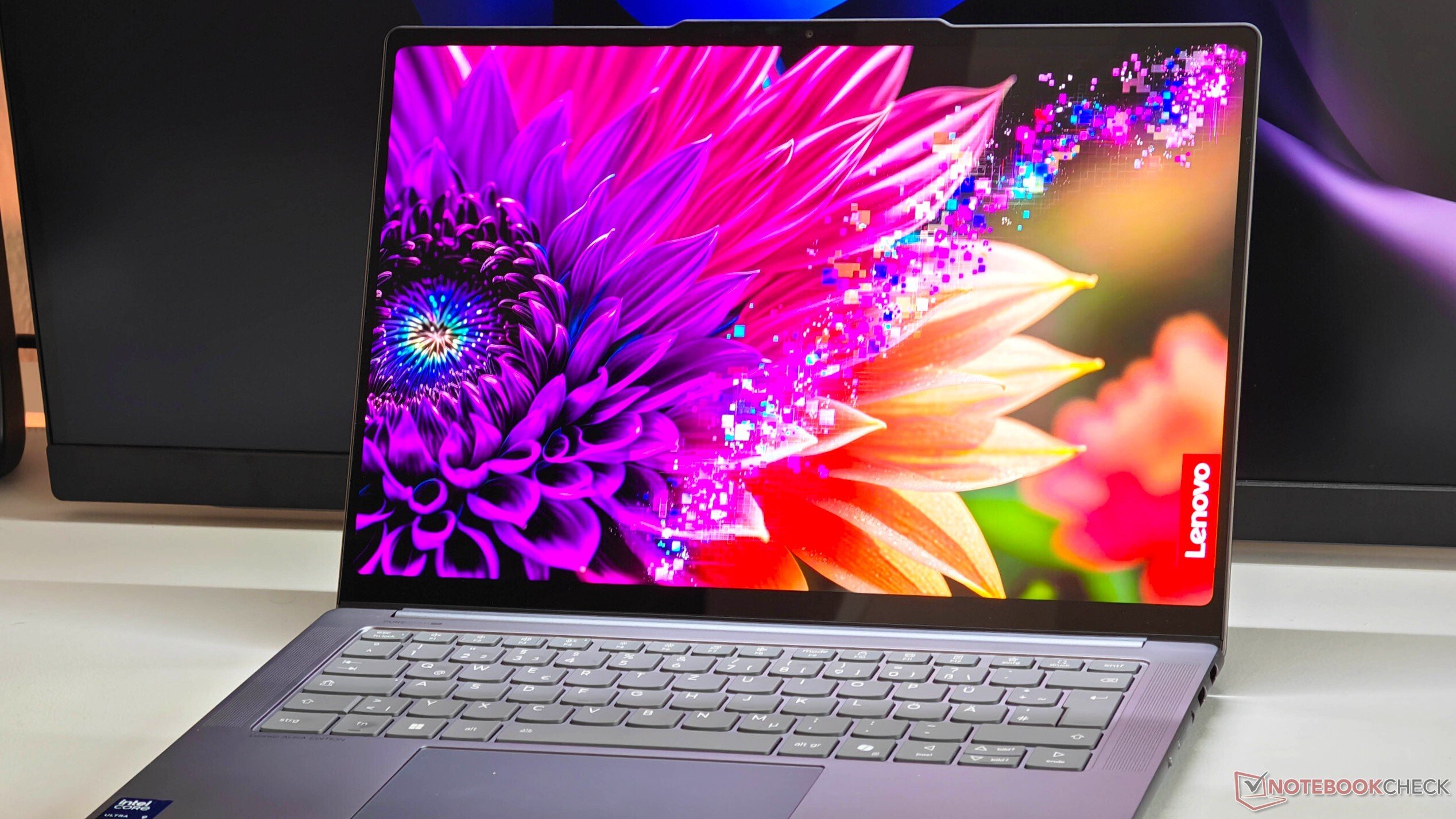
The leaked specifications point to a powerhouse of a chip developed in collaboration with MediaTek and manufactured using TSMC's 3nm process. The N1X is not a low-power mobile chip but a workstation-class APU. It reportedly features 20 ARM v9.2 cores, providing a massive leap in multi-threaded performance for ARM-based Windows devices.
More impressive is the integrated graphics. The N1X incorporates a Blackwell-based GPU with 6,144 CUDA cores and 48 Streaming Multiprocessors (SM). By integrating a Blackwell GPU directly into the APU, Nvidia is attempting to bridge the gap between thin-and-light portability and professional-grade rendering and AI compute capabilities. This integration likely reduces memory latency between the CPU and GPU, which is critical for AI workloads and complex 3D rendering.
Model Variants and Pricing
The leak identifies at least three distinct SKUs, suggesting a tiered performance strategy similar to how Nvidia segments its RTX GPU lineups. The pricing indicates these are positioned as premium professional tools rather than consumer-grade ultrabooks.
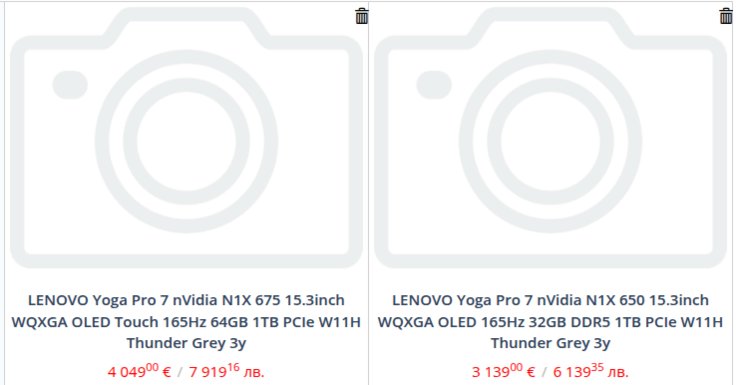
- Nvidia N1X 675: The top-tier configuration is listed at approximately €4,049. This model includes 64GB of RAM and a 1TB PCIe SSD, targeting power users and creators.
- Nvidia N1X 650: A mid-tier version priced at €3,199, featuring 32GB of RAM.
- Nvidia N1: A third, more affordable variant exists, though specific pricing and specs remain unconfirmed. It is likely that the N1 will feature lower clock speeds or fewer active CUDA cores compared to the N1X series.
Display and Build
Beyond the processor, the Yoga Pro 7 maintains its professional identity with a 15.3-inch WQXGA OLED touchscreen. The 165Hz refresh rate makes it suitable for both high-end productivity and smooth visual playback. The inclusion of up to 64GB of RAM is a critical detail, as ARM-based systems often rely on unified memory architectures where the GPU shares the system RAM. High capacity is essential for the Blackwell GPU to operate effectively without hitting memory bottlenecks.
Market Context and Competition
This release arrives amid a broader push from Microsoft and ARM to make Windows on ARM a viable alternative to x86. While Qualcomm has already made strides with the Snapdragon X series, Nvidia's approach is different. Rather than focusing solely on efficiency and battery life, the N1X focuses on raw compute power and AI acceleration.
If the N1X can deliver the performance implied by the Blackwell GPU integration, it will compete directly with high-end Intel Core Ultra and AMD Ryzen AI chips, but with the potential for superior power-per-watt efficiency. Other manufacturers, including Asus and potentially Microsoft's own Surface line, are expected to announce similar N1X-based hardware shortly.
Who is this for?
These laptops are not intended for the average office worker. The high price points and heavy specs suggest a target audience of:
- AI Developers: Those needing local LLM execution and tensor processing power without a bulky gaming chassis.
- 3D Artists and Architects: Professionals who require CUDA support for rendering but prefer the form factor of a Yoga Pro.
- Power Users: Individuals who want the battery efficiency of ARM without sacrificing the ability to run heavy workstation software.
The success of this platform will depend on software compatibility. While Microsoft has improved the emulation layer for x86 apps, native ARM support for professional creative suites will be the deciding factor in whether the €4,000 price tag is justifiable for the average professional.
Comments
Please log in or register to join the discussion