Microsoft and Dell are set to launch the first Windows laptops powered by Nvidia chips, marking a significant shift in the PC architecture landscape and potentially reshaping the market dynamics between Intel and AMD.
Microsoft and Dell are preparing to unveil the first Windows laptops powered by Nvidia chips, according to sources familiar with the matter. The announcement, expected next week, represents a strategic realignment in the PC industry as manufacturers increasingly look beyond traditional chip suppliers to deliver enhanced AI and graphics capabilities.
The partnership comes amid growing demand for more powerful computing devices capable of handling advanced artificial intelligence workloads and graphics-intensive applications. By integrating Nvidia's processors directly into their laptops, Microsoft and Dell aim to deliver superior performance that could potentially disrupt the long-standing dominance of Intel and AMD in the Windows laptop market.
Nvidia has been making significant inroads into the PC market with its ARM-based processors, which have traditionally been more prevalent in mobile devices. The company's chips, particularly those with dedicated AI processing capabilities, have gained traction among consumers and enterprise customers seeking devices optimized for machine learning tasks and high-end graphics applications.
For Microsoft, this partnership aligns with its broader strategy to enhance Windows on ARM architecture, which has faced challenges in gaining market acceptance against the established x86 platform dominated by Intel. By collaborating with Dell and Nvidia, Microsoft aims to demonstrate the viability and performance advantages of its optimized Windows environment on non-traditional hardware. You can learn more about Microsoft's Windows on ARM initiative here.
Dell, meanwhile, is seeking to differentiate its laptop offerings in an increasingly competitive market. The integration of Nvidia's chips could provide Dell with a unique selling point, particularly for business customers and creative professionals who require advanced computing capabilities without the bulk of traditional workstations. Explore Dell's current laptop offerings here.
The financial implications of this partnership could be substantial. The PC market, valued at approximately $200 billion globally, has seen modest growth in recent years, with manufacturers constantly seeking ways to increase average selling prices through enhanced features and performance. Nvidia's entry into the Windows laptop space could potentially capture significant market share from Intel and AMD, particularly if the new laptops demonstrate clear performance advantages.
Industry analysts estimate that Nvidia could capture 10-15% of the Windows laptop market within the next two years if the initial products receive positive reviews and demonstrate compelling performance benefits. This would represent a significant revenue stream for Nvidia, which has traditionally focused on discrete graphics processors and data center solutions. For more information about Nvidia's chip offerings, visit their data center page.
For Intel and AMD, this development represents both a challenge and an opportunity. While the immediate threat comes from Nvidia's integrated solutions, both companies have been investing heavily in their own AI capabilities and next-generation processor designs. The competitive pressure may accelerate innovation across the industry, ultimately benefiting consumers with more powerful and efficient computing devices.
From a strategic perspective, the partnership underscores the growing importance of AI capabilities in consumer devices. As AI applications become more prevalent in everyday computing tasks, having dedicated hardware acceleration is increasingly becoming a key differentiator for laptop manufacturers.
The timing of this announcement is noteworthy, coming as the PC market shows signs of stabilization after several years of decline. According to recent market research, global PC shipments grew by 3.2% in the first quarter of 2026, marking the fourth consecutive quarter of growth. This recovery provides an opportune moment for manufacturers to introduce innovative products that could drive further market expansion. You can find more PC market research on IDC's PC Tracker page.
Microsoft and Dell have not disclosed specific details about the laptops, including pricing, availability, or exact specifications. However, industry insiders suggest that the initial offerings will target premium segments, with prices potentially ranging from $1,200 to $2,000 depending on the configuration.
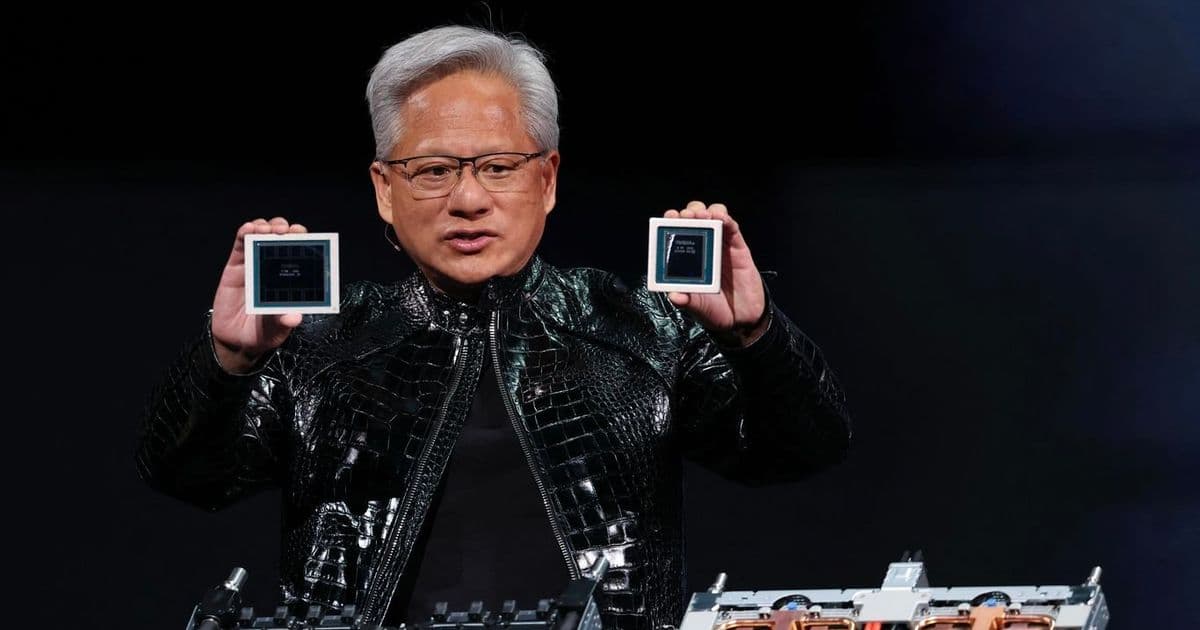
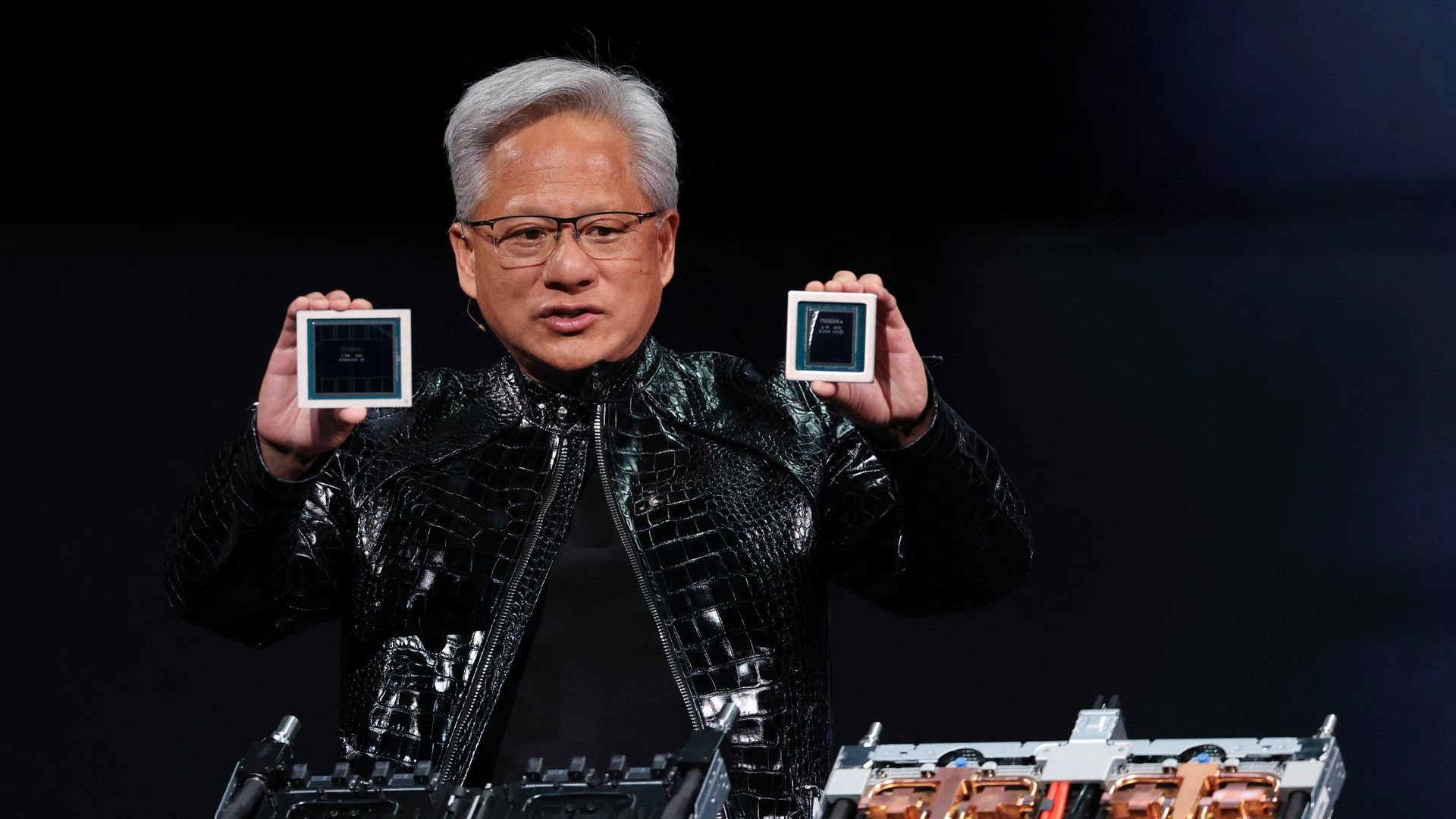
Nvidia's CEO Jensen Huang has been increasingly vocal about the company's ambitions in the PC market, emphasizing the need for specialized processors capable of handling the growing demands of AI applications. The company's recent financial results show a 45% increase in revenue year-over-year, driven largely by demand for its AI and graphics solutions.
As the tech industry continues to evolve, partnerships like this between software companies, hardware manufacturers, and chip designers will likely become more common. The integration of specialized AI hardware into consumer devices represents a significant shift in how PCs are designed and marketed, potentially leading to new form factors and use cases that were not previously possible.
The success of these Nvidia-powered laptops will depend on several factors, including performance benchmarks, battery life, software compatibility, and price competitiveness. If Microsoft and Dell can deliver a compelling user experience with these new devices, they may establish a new precedent for Windows laptops and accelerate the adoption of ARM-based processors in the PC market.
This development also highlights the increasing convergence of computing platforms, as traditional boundaries between mobile, desktop, and data center computing continue to blur. Nvidia's expansion into the Windows laptop space is part of a broader trend where specialized chip manufacturers are leveraging their expertise in specific domains to enter adjacent markets.
For consumers, the introduction of Nvidia-powered Windows laptops could mean more choices and potentially better performance for AI-intensive applications. However, the transition may also present challenges, particularly regarding software compatibility and the learning curve associated with new hardware architectures.
As the tech industry watches this development unfold, one thing is clear: the PC market is undergoing a significant transformation, with AI capabilities becoming a key differentiator in an increasingly competitive landscape. The partnership between Microsoft, Dell, and Nvidia represents just one chapter in this ongoing evolution, with more changes likely on the horizon.
Comments
Please log in or register to join the discussion