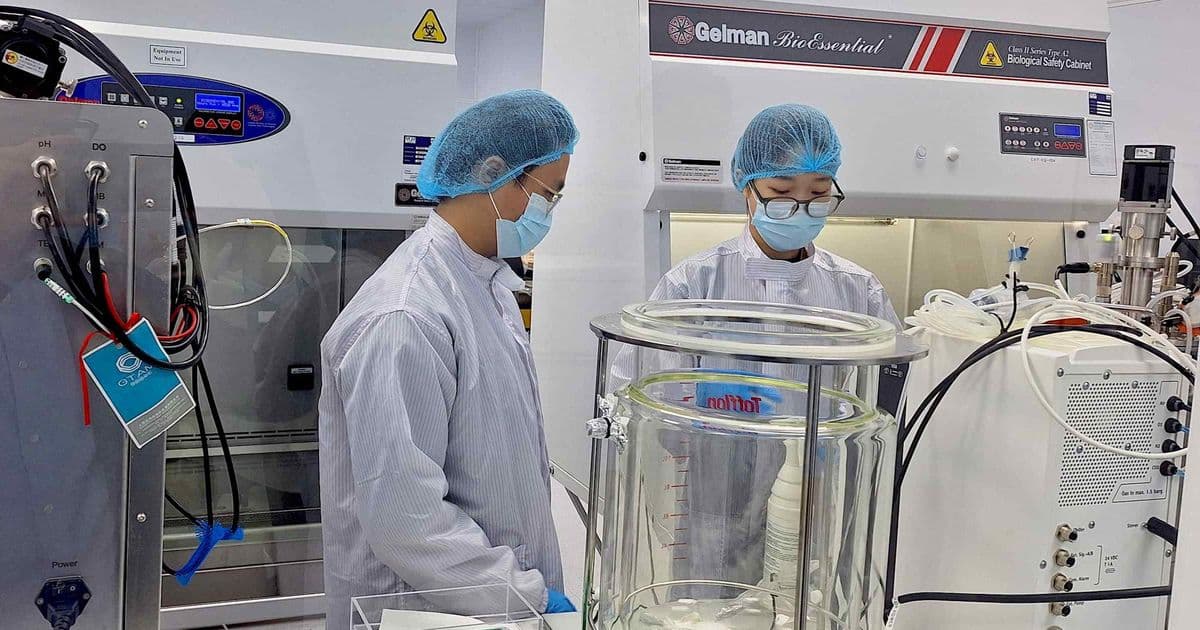
Malaysian startup Cell AgriTech is moving toward commercial launch of cultivated unagi, eyeing a $1.2 billion global eel market. The company will scale production in Singapore, leveraging regional biotech incentives and rising consumer demand for sustainable seafood alternatives.
Business news
Cell AgriTech, a Penang‑based cellular agriculture startup, announced that it will begin pilot‑scale production of lab‑grown unagi (freshwater eel) in Singapore later this year. The company says its first commercial shipments could reach Japanese restaurants and high‑end retailers by early 2027, once regulatory approval is secured in both Singapore and Japan.
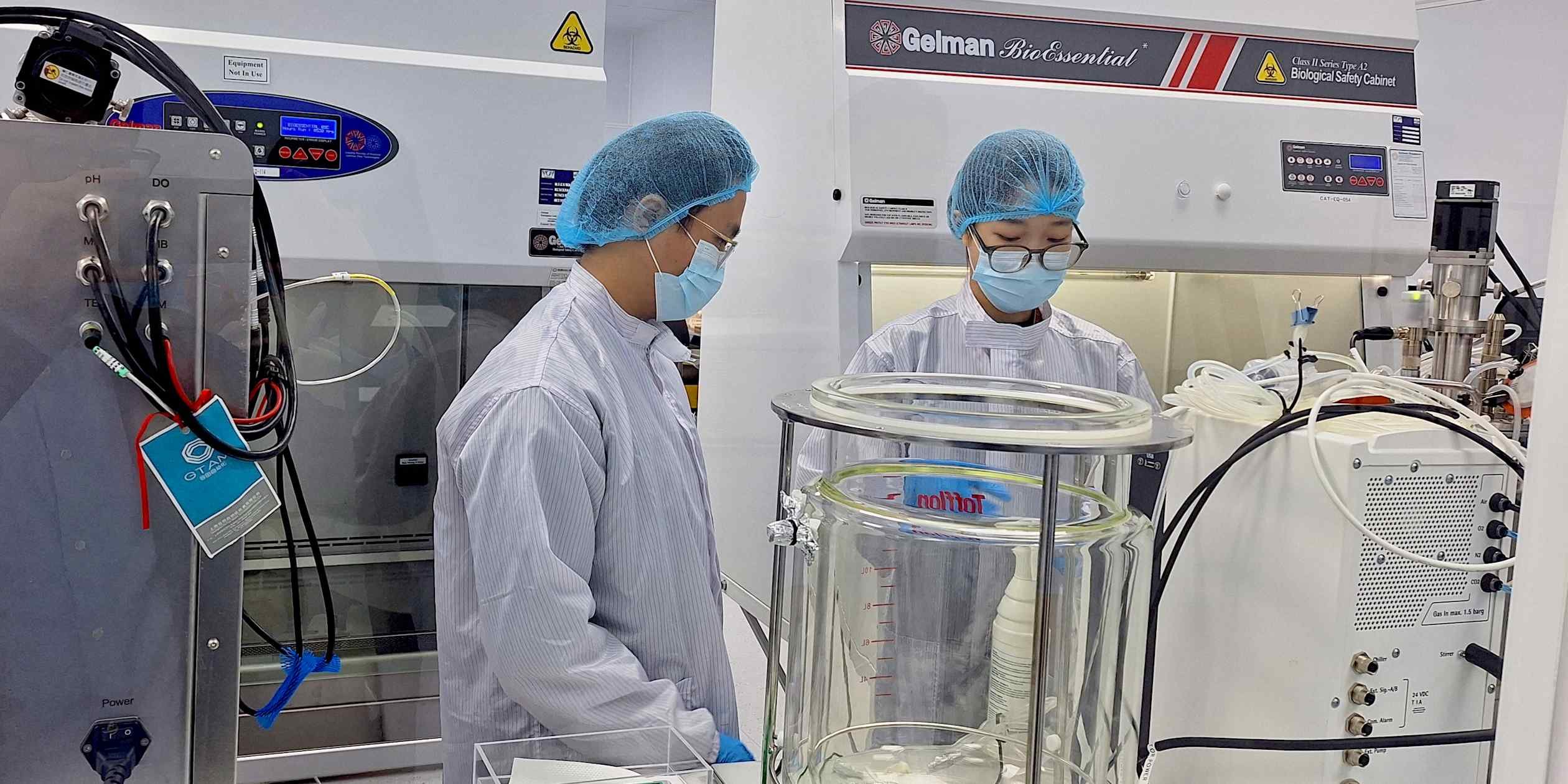
The startup has raised US$45 million in a Series A round led by a consortium of Singaporean venture funds and Japanese strategic investors. The capital will fund a 10,000‑litre bioreactor facility slated for the Jurong Innovation District, a site that offers tax incentives for food‑tech firms and proximity to Singapore’s advanced supply‑chain ecosystem.
Market context
The global eel market was valued at US$1.2 billion in 2025 and is projected to grow at a 4.3 % CAGR through 2032, driven primarily by Japanese consumption of unagi for the traditional doyo no ushi (summer) dish. Wild eel stocks have been in decline for decades, with the International Union for Conservation of Nature (IUCN) listing the European eel (Anguilla anguilla) as critically endangered. Import restrictions and rising wholesale prices—elevated to ¥2,800 per kilogram in Tokyo’s wholesale market, a 28 % increase from 2022—have created pressure for alternatives.
Singapore’s cultivated meat market is estimated at US$150 million in 2026, with the government pledging S$30 million in grants for cellular agriculture pilots. The city‑state’s regulatory framework, overseen by the Singapore Food Agency (SFA), already approved the world’s first cultivated chicken bites in 2023, giving Cell AgriTech a clear pathway to market.
What it means
- Supply‑chain diversification for Japanese chefs – By producing unagi in Singapore, Cell AgriTech can bypass the volatile wild‑catch supply chain, offering a stable, traceable product that meets Japanese food‑safety standards. This could reduce price volatility for high‑end restaurants that currently pay a premium for imported eel.
- Strategic foothold in Southeast Asian biotech hubs – The Singapore facility positions the startup at the intersection of regional talent, financing, and logistics. Proximity to major ports enables efficient distribution to Japan, South Korea, and Taiwan, while access to research institutions like the Agency for Science, Technology and Research (A*STAR) supports ongoing R&D.
- Potential catalyst for broader cultivated seafood adoption – Success with unagi—a high‑value, culturally significant species—may lower consumer resistance to other cultivated seafood such as salmon and tuna. Early adopters in Japan could act as a showcase for markets where premium pricing is acceptable.
- Regulatory precedent – If the SFA and Japan’s Ministry of Health, Labour and Welfare grant approval within the next 12‑18 months, it would create a regulatory template for other cell‑based marine products, accelerating the sector’s overall growth.
Cell AgriTech’s approach relies on a proprietary serum‑free growth medium that cuts production costs by approximately 30 % compared with early‑stage cultivated meat processes. The company reports that its current yield is 15 grams of unagi per litre of culture medium, a figure it expects to double with next‑generation bioreactor designs.
The venture’s financial outlook hinges on scaling efficiency. Assuming a production capacity of 10 tonnes per year, and an average wholesale price of ¥2,500 per kilogram, annual revenue could reach ¥25 billion (US$170 million) once full capacity is realized. Break‑even is projected for 2029, based on current cost structures and anticipated market penetration of 5 % of Japan’s premium eel consumption.
Analysts at Morgan Stanley have upgraded their outlook on cultivated seafood, citing Cell AgriTech’s unagi project as a “tangible proof point” that could lift the sector’s valuation by US$200 million across Southeast Asian startups. Meanwhile, environmental NGOs note that cultivated eel could reduce pressure on wild stocks by up to 12 % of current annual harvests, translating into a measurable decline in illegal fishing activities.
In summary, Cell AgriTech’s move to commercialize lab‑grown unagi aligns with rising consumer demand for sustainable protein, leverages Singapore’s supportive biotech ecosystem, and could reshape the premium seafood market in East Asia. The next 12‑18 months will be critical as the startup navigates regulatory approvals and scales its bioprocessing technology.
Comments
Please log in or register to join the discussion