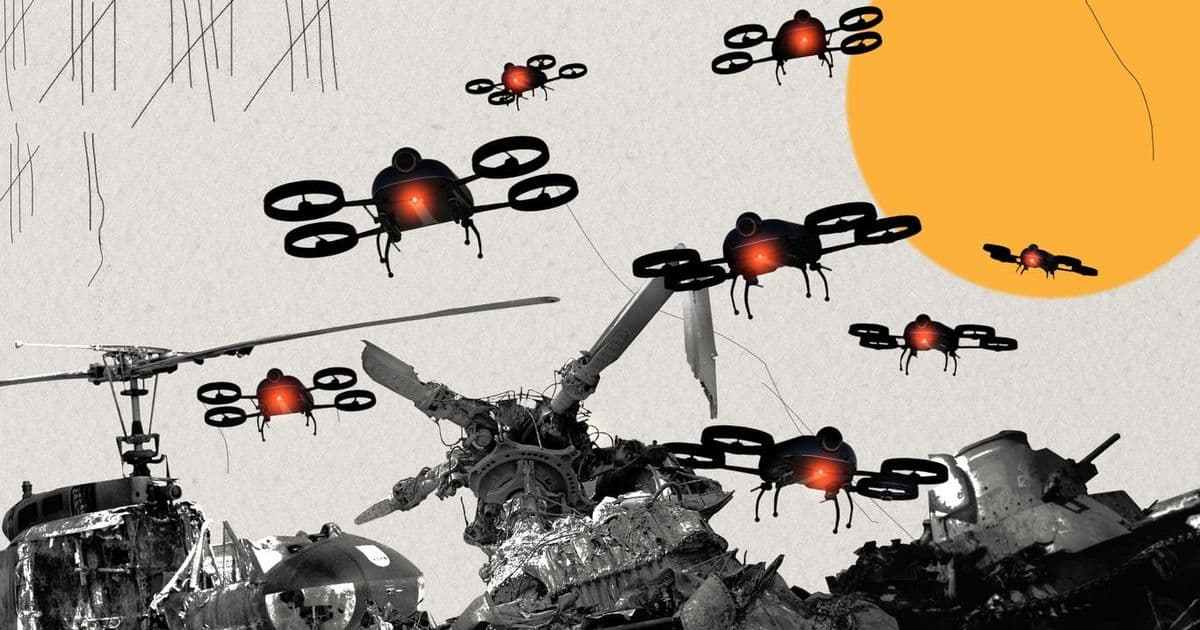
Affordable unmanned aerial vehicles are reshaping modern warfare, democratizing combat capabilities and forcing military strategists to rethink traditional doctrines.
The proliferation of inexpensive drones is fundamentally altering the nature of modern warfare, creating a technological democratization that challenges traditional military hierarchies and strategic doctrines. What was once the exclusive domain of wealthy nations with sophisticated air forces is now accessible to virtually any armed group with a few thousand dollars and basic technical knowledge.
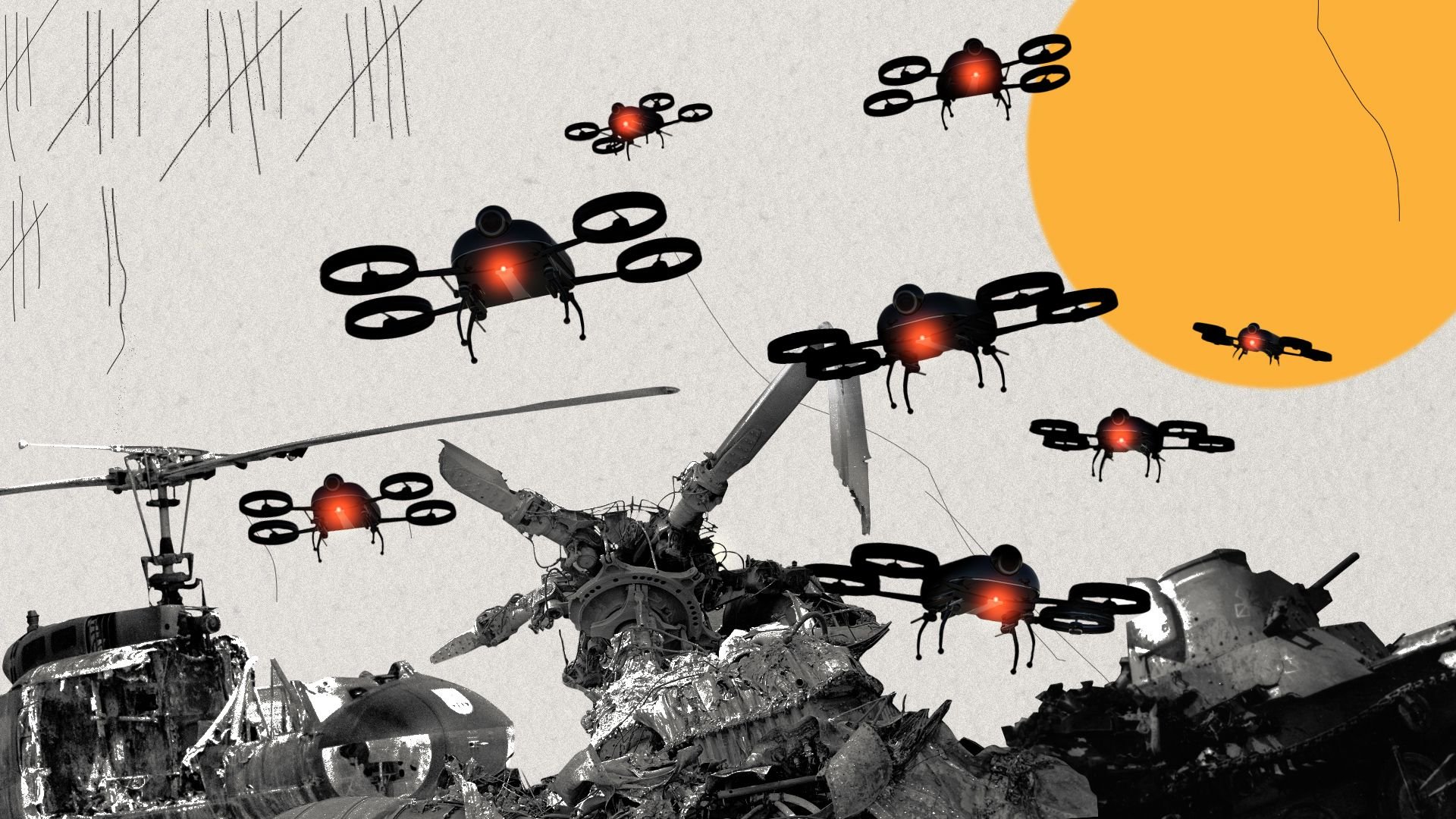
The Economics of Aerial Warfare
The cost differential is staggering. A conventional military aircraft can cost anywhere from $20 million to over $100 million, while a capable commercial drone might cost less than $1,000. This price gap has created what military analysts call a "tactical revolution" where small, inexpensive unmanned systems can achieve effects previously requiring massive investments in personnel, training, and equipment.
Consider the tactical implications: a $500 quadcopter can now carry a small explosive payload, conduct reconnaissance, or even serve as a loitering munition. Groups that previously lacked any air capability suddenly possess a tool that can bypass traditional air defenses, which were designed to counter much larger, more expensive threats.
Ukraine War: The Drone Laboratory
The ongoing conflict in Ukraine has become a real-world laboratory for drone warfare. Both sides have deployed thousands of commercial and modified drones for reconnaissance, artillery spotting, and direct attacks. Ukrainian forces have famously used consumer drones to drop grenades on Russian positions, while Russian-backed forces have employed similar tactics.
Military experts estimate that Ukraine is losing hundreds of drones monthly, yet the relatively low cost means this attrition is acceptable. The economics favor volume over sophistication—a concept that runs counter to traditional military procurement thinking.
Beyond the Battlefield
The drone revolution extends beyond kinetic warfare. These systems are being used for psychological operations, with the constant threat of drone observation or attack creating what some call "aerial anxiety" among ground forces. Traditional infantry tactics must now account for the possibility of being observed or attacked from above at any moment.
Supply chains and rear areas, once considered relatively safe, have become vulnerable. A drone can fly miles behind front lines to attack fuel depots, command posts, or logistics hubs. This forces military planners to devote resources to air defense in areas previously considered secure.
The Technology Cascade
The commercial drone industry, driven by consumer demand for aerial photography and recreational flying, has inadvertently created a military revolution. Companies like DJI have developed sophisticated flight control systems, long battery life, and reliable communications—all features that transfer directly to military applications.
Open-source software and online tutorials have made it possible for non-state actors to modify commercial drones for military use. Night vision cameras, thermal imaging, and even basic autonomous flight capabilities are now accessible to anyone with moderate technical skills.
Strategic Implications
This technological democratization has several profound implications:
- Asymmetric Warfare: Smaller powers and non-state actors can now challenge conventional military forces in ways previously impossible
- Attrition Economics: The side willing to accept higher drone losses may gain tactical advantages
- Air Defense Evolution: Traditional air defense systems must be rethought to counter swarms of small, inexpensive threats
- Rules of Engagement: The laws of war are struggling to keep pace with drone capabilities and their widespread availability
The Future Battlefield
Military strategists are already planning for a future where drone swarms, artificial intelligence, and autonomous systems dominate the battlefield. The current generation of cheap drones is just the beginning. Future systems will likely feature improved autonomy, better sensors, and more sophisticated countermeasures.
Some experts predict that within a decade, distinguishing between commercial and military drones will become increasingly difficult, as the technology continues to advance and proliferate. The line between hobbyist technology and weapons system continues to blur.
Adaptation and Countermeasures
Traditional military forces are not standing still. Counter-drone systems are being developed and deployed, ranging from electronic warfare systems that jam drone communications to directed energy weapons that can shoot them down. However, the cost exchange ratio often still favors the drone operator—a $1 million counter-drone system might be used to defeat a $500 target.
The proliferation of cheap drones represents a fundamental shift in military power dynamics. It's a reminder that in the modern era, technological advantages can be temporary, and the most significant military innovations often come from unexpected sources. The battlefield of the future will be shaped not just by the most advanced technology, but by how effectively forces can adapt to and counter the widespread availability of capable unmanned systems.
Comments
Please log in or register to join the discussion