Chinese new-auto sales surged 9.4% to 34.4 million units in 2025 while domestic challengers Leapmotor and Xiaomi accelerate efforts to close the gap with market leader BYD.
China's automotive market reached unprecedented scale in 2025, with total new-vehicle sales including exports climbing 9.4% year-over-year to 34.4 million units according to year-end industry data. This fifth consecutive annual increase underscores the market's resilience despite global economic headwinds and signals intensified competition among domestic manufacturers.
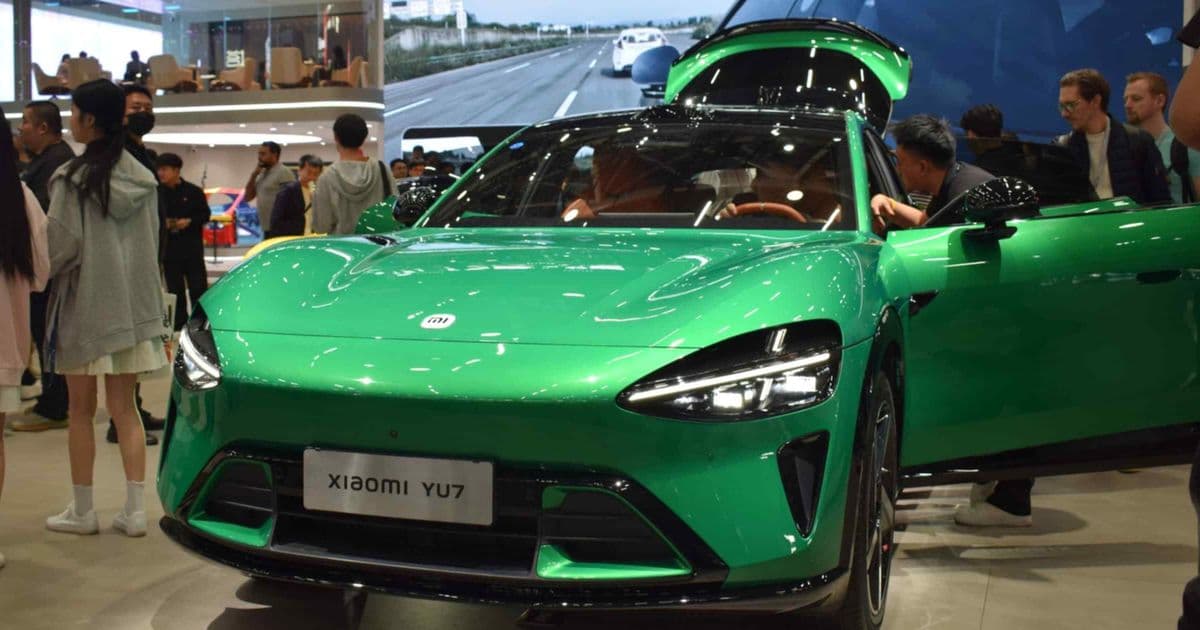
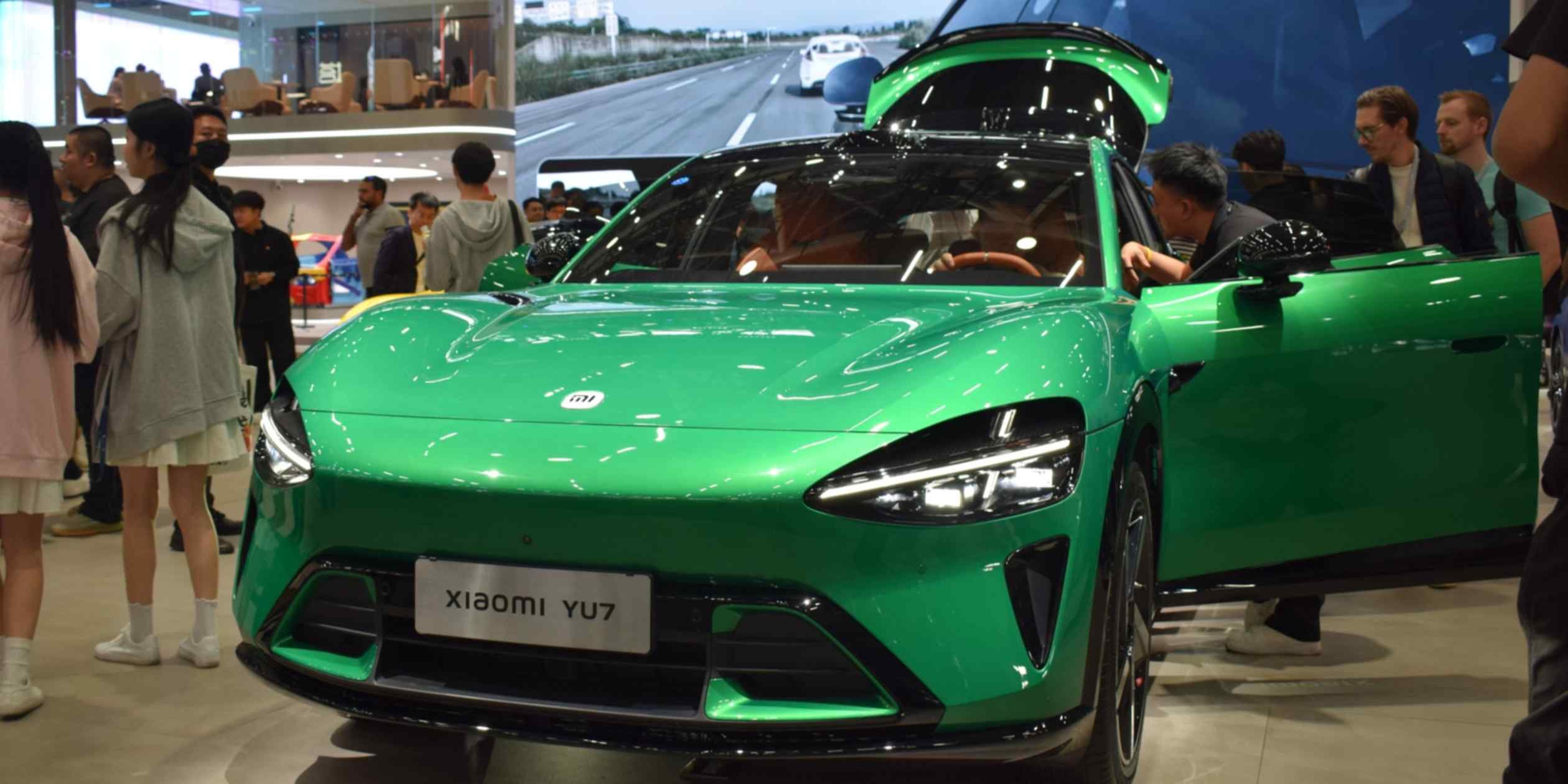
The sales surge was primarily fueled by electric vehicle adoption, with Chinese brands now commanding 56% of their home market according to China Association of Automobile Manufacturers data. Market leader BYD maintained its dominant position with approximately 35% EV market share, though its growth trajectory showed signs of plateauing as newer entrants gained traction. Notably, smartphone manufacturer Xiaomi's automotive division achieved over 100,000 orders within weeks of launching its YU7 electric SUV, leveraging its existing consumer ecosystem and retail infrastructure.
Competitive dynamics reveal a narrowing gap between industry leaders and challengers. Leapmotor increased its domestic market share by 3.2 percentage points through aggressive pricing on its C10 and C16 SUV models, while state-backed GAC Group restructured dealer incentives to counter new entrants. The intensified domestic competition coincides with China's auto imports hitting a 16-year low, with foreign brands struggling against locally engineered EVs optimized for Chinese consumer preferences.
Export growth emerged as another critical factor, with overseas shipments increasing 18% year-over-year and accounting for approximately 25% of total sales. BYD surpassed Tesla in global EV sales volume during the fourth quarter of 2025, while Chinese automakers collectively overtook Japanese manufacturers in worldwide sales rankings. This export momentum faces challenges from new EU tariffs on Chinese EVs and U.S. trade restrictions, prompting companies like Nio and SAIC to establish overseas production facilities.
Strategic implications for the industry include accelerated consolidation among China's 100+ EV manufacturers, with analysts projecting at least 15 brands exiting the market by 2027. Technology partnerships have intensified, exemplified by Volkswagen's $2.5 billion investment in XPeng's EV platform and Stellantis' acquisition of a 20% stake in Leapmotor. Battery manufacturers are adjusting production targets amid slowing EV demand growth in Western markets, while Chinese automakers prioritize software-defined vehicle features to maintain pricing power in the premium segment.
The record sales figures position China's auto industry for continued global influence, with domestic competition driving faster innovation cycles and price reductions. Industry forecasts suggest the competitive pressure on BYD will intensify through 2026 as Xiaomi scales production capacity and state-supported manufacturers target export growth in Southeast Asia and Latin America.
Comments
Please log in or register to join the discussion