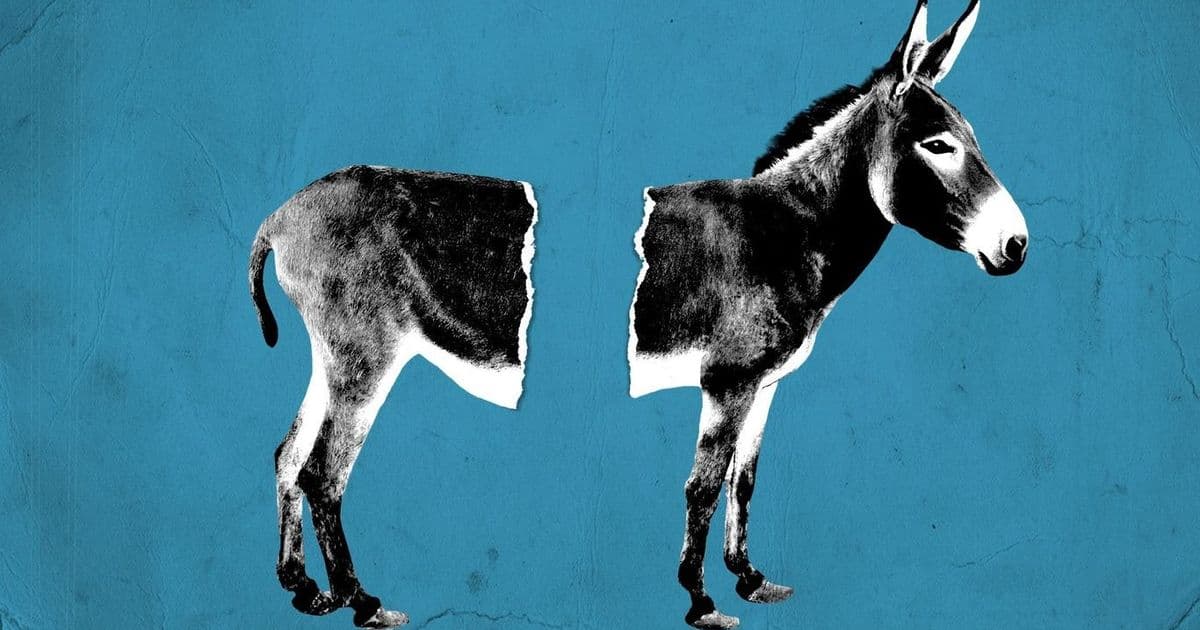
Moderate Democrats are organizing to counter progressive influence in the 2028 election cycle, targeting Rep. Alexandria Ocasio-Cortez and her allies.
A coalition of centrist Democrats has launched a coordinated effort to counter progressive influence within the party ahead of the 2028 election cycle, with Rep. Alexandria Ocasio-Cortez emerging as a primary target of their organizing.
The New Political Battleground
The internal Democratic Party conflict represents a significant shift in strategy for moderate lawmakers who have watched progressive candidates gain influence in recent election cycles. This new coalition, operating under the banner "Democrats for the Middle," aims to reclaim the party's center and prevent what they view as a dangerous leftward drift.
Key Players and Strategy
Several high-profile moderate Democrats are backing the initiative, including Representatives from swing districts who survived the 2022 midterms by narrow margins. The group has already begun fundraising efforts, with initial reports suggesting they've raised over $3 million in their first quarter of operation.
The strategy focuses on three main pillars:
- Primary challenges against progressive incumbents in safe Democratic districts
- Support for centrist candidates in competitive races
- A messaging campaign highlighting the electoral risks of progressive policies
Targeting Ocasio-Cortez
Rep. Alexandria Ocasio-Cortez, the New York progressive who has become a lightning rod for Democratic Party tensions, is specifically mentioned in internal strategy documents obtained by Axios. The documents outline plans to challenge her influence by supporting potential primary opponents and undermining her policy initiatives through legislative maneuvering.
"We cannot allow a small faction to define our party's future," said one coalition member who spoke on background. "The American people want pragmatic solutions, not ideological purity tests."
Fundraising and Resources
The coalition has attracted support from traditional Democratic donors who have grown increasingly concerned about the party's direction. Major contributors include:
- Tech industry executives wary of progressive regulatory proposals
- Financial sector leaders opposed to wealth tax plans
- Labor union moderates concerned about progressive stances on trade
Policy Battleground
The conflict extends beyond electoral politics into substantive policy disagreements. The centrist coalition opposes key progressive priorities including:
- Medicare for All proposals
- The Green New Deal framework
- Wealth tax initiatives
- Defunding or restructuring of law enforcement
Instead, they advocate for incremental approaches to healthcare reform, market-based climate solutions, and targeted social programs.
Electoral Implications
Political analysts suggest this internal conflict could have significant ramifications for the 2028 presidential race. The coalition's formation suggests that centrist candidates may feel emboldened to challenge progressive frontrunners directly, potentially creating a multi-candidate primary field.
"This represents a fundamental realignment within the Democratic Party," said Dr. Elena Martinez, a political science professor at Georgetown University. "We're seeing a level of organized resistance to progressive influence that hasn't been present since the 2016 Sanders-Clinton contest."
Progressive Response
Progressive leaders have characterized the centrist effort as a desperate attempt to maintain power among establishment Democrats. Ocasio-Cortez's office issued a statement calling the coalition "a last gasp of an outdated political philosophy that has consistently failed working families."
Progressive advocacy groups have already begun counter-organizing, with plans to defend targeted incumbents and expand their influence in state parties.
Historical Context
The current Democratic Party divide mirrors similar ideological conflicts in both major parties over the past decade. Just as Tea Party conservatives challenged establishment Republicans in the early 2010s, progressive Democrats have been pushing the party leftward since Bernie Sanders' 2016 campaign.
Looking Ahead
The success of this centrist coalition could determine whether the Democratic Party nominates a progressive or moderate candidate in 2028. Early indicators suggest the battle will be fierce, with both sides preparing for what could be the most consequential internal party conflict in decades.
As one Democratic strategist noted, "This isn't just about 2028. It's about which vision of the Democratic Party voters will embrace for the next generation."
Comments
Please log in or register to join the discussion