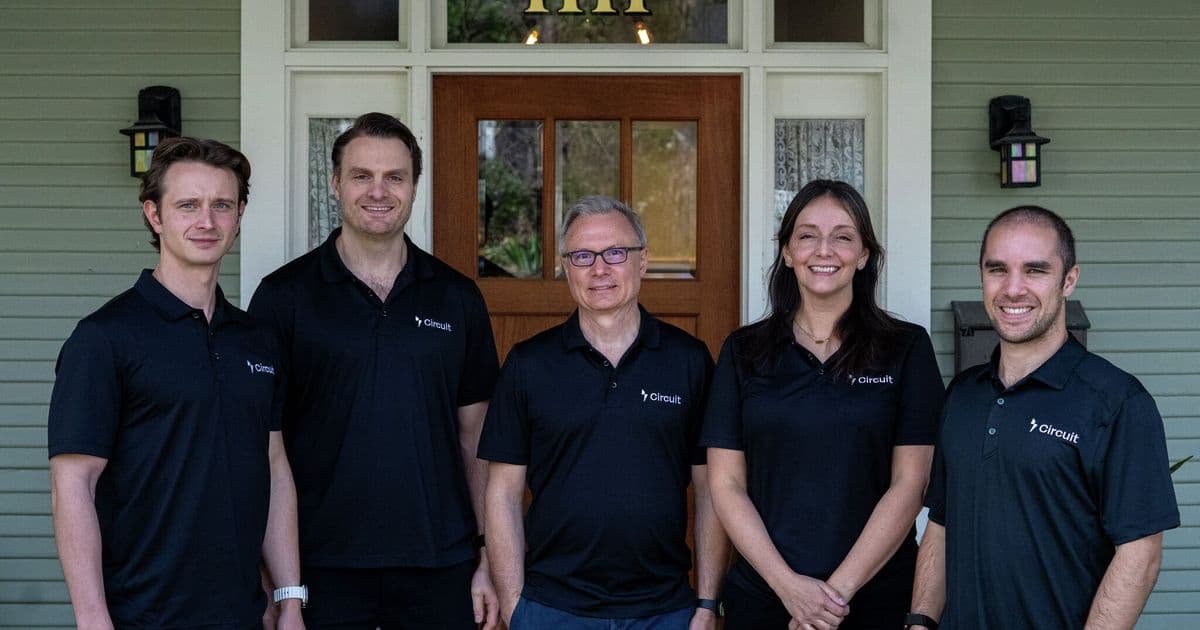
Austin-based Circuit raised $30M from angel investors to develop AI solutions addressing manufacturing labor shortages, leveraging co-founder Tyson Tuttle's semiconductor industry expertise.
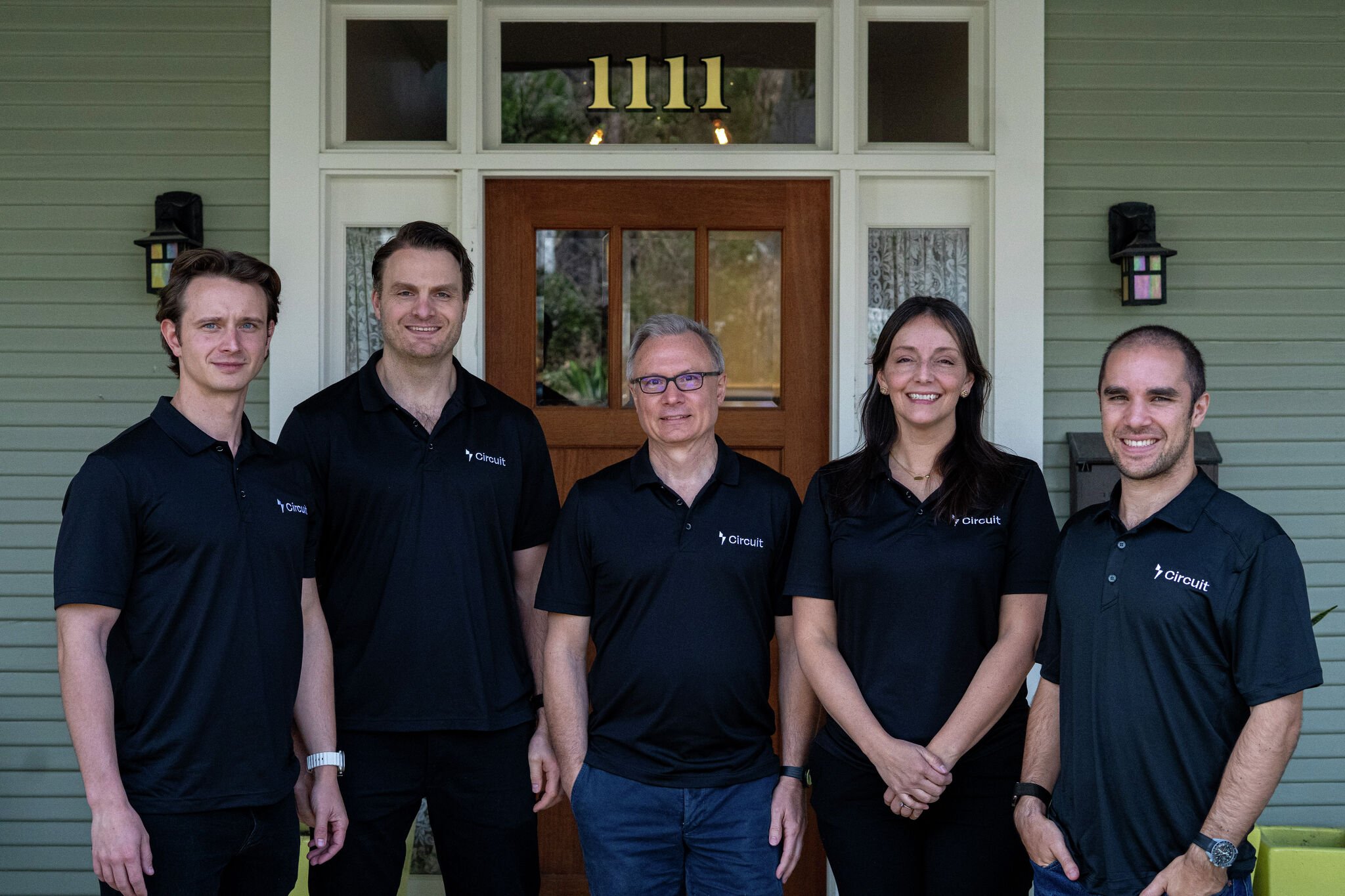
Circuit, an Austin-based AI startup targeting manufacturing and service enterprises, has secured $30 million in funding exclusively from angel investors. The company, co-founded by former Silicon Labs CEO Tyson Tuttle, aims to address critical labor shortages through AI-powered workflow automation. Unlike typical venture rounds, this angel-only funding structure signals high-conviction backing from industry insiders familiar with manufacturing pain points.
According to the Austin American-Statesman report, Circuit's platform focuses on automating complex, multi-step processes in industrial settings. While public technical details remain limited, the company's official website describes "context-aware task orchestration" capable of integrating with legacy manufacturing equipment. This suggests an approach combining computer vision for process monitoring with decision engines for workflow optimization – similar to systems deployed by Siemens and Rockwell Automation but potentially more accessible for mid-market manufacturers.
What distinguishes Circuit isn't revolutionary AI architecture but practical implementation design. Manufacturing environments present unique challenges: variable lighting conditions, safety constraints, and heterogeneous equipment ecosystems. Effective systems require robust sensor fusion (combining visual, thermal, and operational data) and must function reliably in low-bandwidth factory environments. Tuttle's semiconductor background likely informs Circuit's hardware-aware approach – a critical advantage when deploying on factory floors where cloud dependency is impractical.
Notably absent are benchmark comparisons against established players like Uptake or Cognex. The $30M angel round suggests investors prioritized domain expertise over disruptive claims. Manufacturing remains a graveyard for overhyped AI solutions, with failures often stemming from underestimating edge deployment complexity. Circuit's initial deployments will need to demonstrate measurable reductions in downtime or training cycles to justify valuation.
The funding arrives amidst growing scrutiny of enterprise AI ROI. Manufacturing AI adoption lags behind sectors like finance due to higher implementation risks. Successful deployments typically show 10-15% efficiency gains initially – meaningful but rarely transformative. Circuit's test will be whether their architecture delivers consistent results across diverse assembly lines without excessive customization, a pitfall that sank several industrial AI ventures during the 2024 consolidation wave.
With manufacturing vacancies exceeding 800,000 positions in the US alone, Circuit's focus on augmenting human workers rather than replacing them appears strategically sound. Their undisclosed pilot customers will be the true litmus test – either validating their approach or revealing the persistent gap between controlled demos and chaotic factory reality.
Comments
Please log in or register to join the discussion