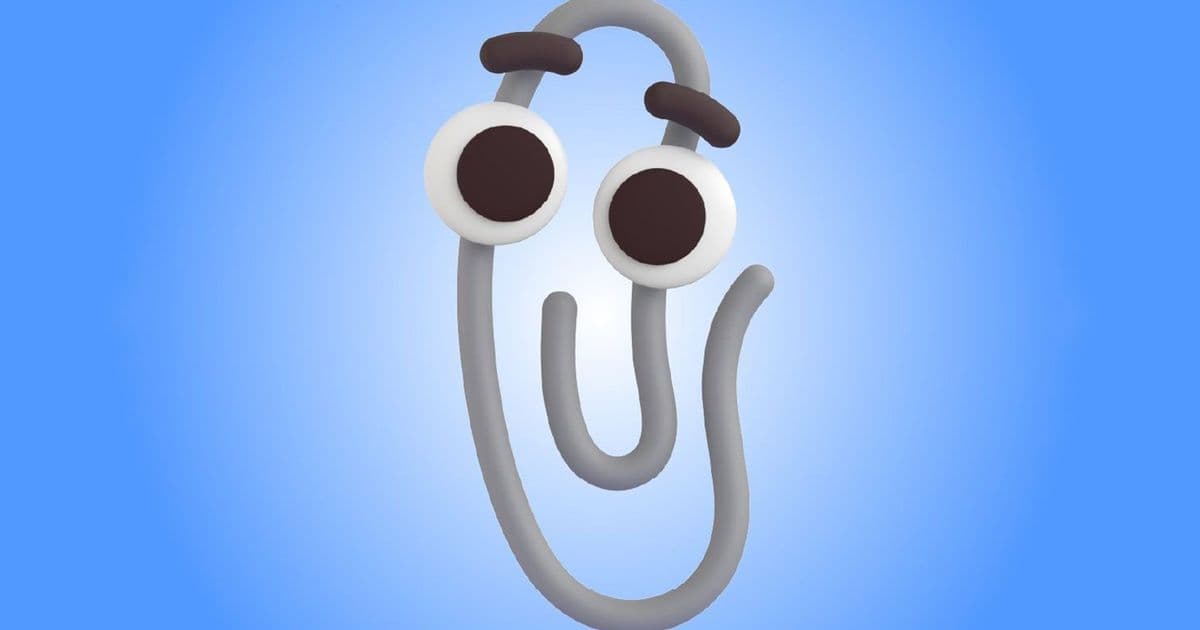
Microsoft's Clippy was officially retired on April 11, 2001, marking the end of an era for digital assistants that would evolve into today's AI Copilots
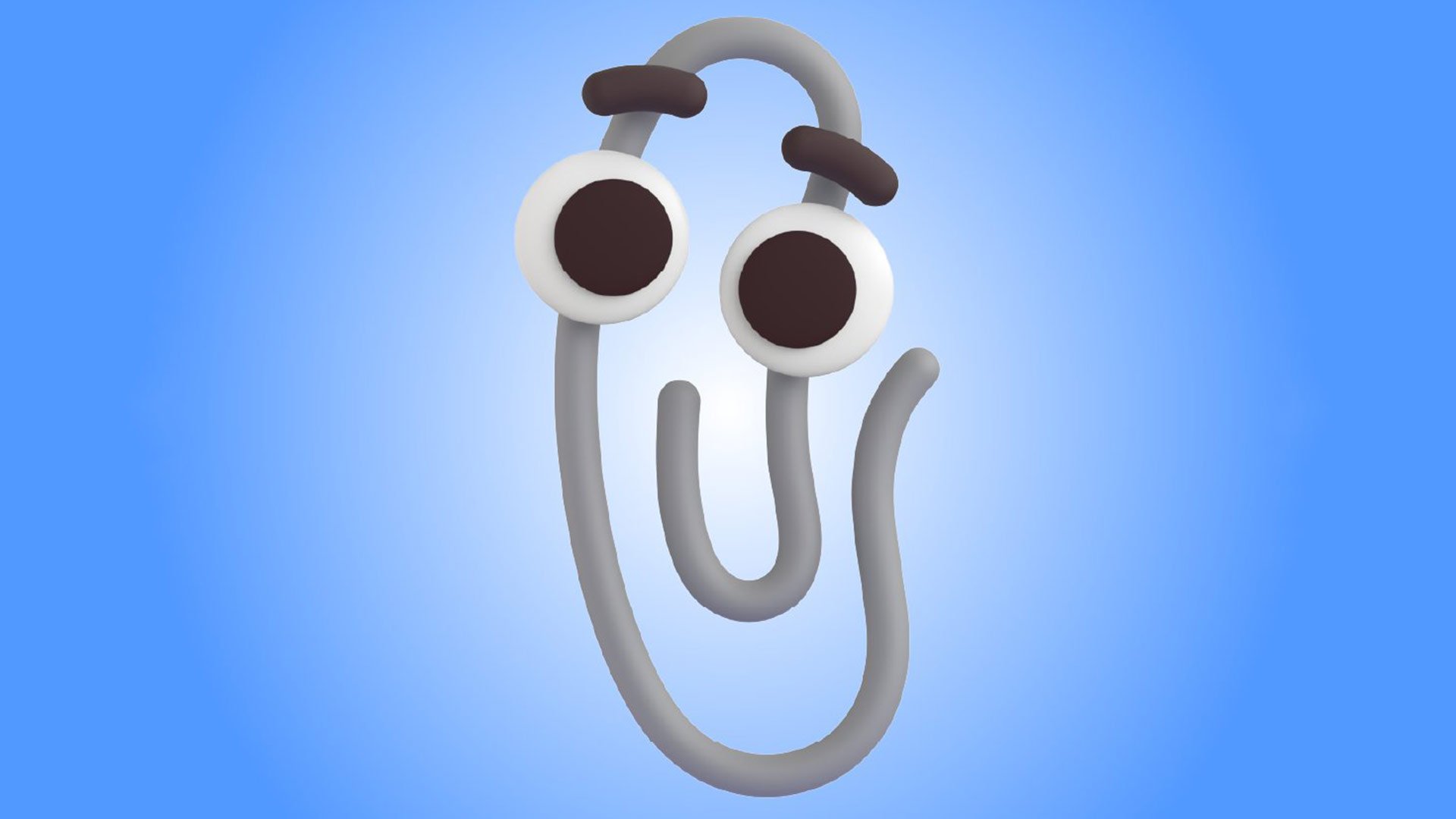
On April 11, 2001, Microsoft officially retired Clippy, the animated paperclip assistant that had become one of computing's most infamous characters since its introduction with Office 97. Twenty-five years later, Clippy's legacy lives on—not as a helpful assistant, but as a cautionary tale for today's AI-powered Copilots.
(Image credit: Microsoft)
The Rise and Fall of Clippy
Clippy (officially named Clippit) debuted in Microsoft Office 97 as part of a bold experiment in human-computer interaction. The concept was straightforward: create a friendly, character-based interface that would guide users through Office's features and provide contextual help. Microsoft designed several characters for this purpose, including caricatures of Albert Einstein, William Shakespeare, and Rocky the dog, along with various animated inanimate objects.
However, Clippy quickly became the default choice—and the most memorable for all the wrong reasons. Its repetitive catchphrases like "It looks like you're writing a letter" and "Would you like help with that?" grated on users' nerves. What began as an attempt to make software more approachable devolved into one of computing's most ridiculed features.
Some industry observers suggest Clippy represented a "tragic misunderstanding" of Stanford University research on breaking barriers in human-machine interaction. The assistant's failure was so profound that it earned a place in Time magazine's list of the 50 worst inventions.
The Official Retirement
Microsoft announced Clippy's retirement on April 11, 2001, when it would no longer be enabled by default in Office applications. In Office XP, Clippy remained as a dormant, optional feature, but by Microsoft Office 2007, the paperclip assistant had vanished entirely from the interface.
Clippy's Cultural Resurrection
Despite its failure as a productivity tool, Clippy has experienced an unexpected cultural renaissance. The passage of time has softened public perception, transforming Clippy from an irritant into a nostalgic symbol of 1990s computing.
Microsoft has capitalized on this nostalgia in several marketing campaigns. In 2021, the company ran a Twitter poll promising to replace the paperclip emoji in Microsoft 365 with Clippy if it received 20,000 likes—a goal it quickly surpassed.
More recently, software engineer Felix Rieseberg created a locally hosted, LLM-based AI-enhanced Clippy complete with Office 97-era-appropriate UI. This project demonstrates how modern AI technology could potentially redeem Clippy's original vision while avoiding its predecessor's pitfalls.
From Clippy to Copilot: Microsoft's Persistent Vision
Clippy's retirement didn't mark the end of Microsoft's interest in digital assistants. The company has repeatedly returned to this concept, despite Clippy's clear failure. Windows Cortana served as Microsoft's next attempt from 2014 to 2023, followed by the current wave of Copilot assistants.
Today, Microsoft has embedded Copilot across its ecosystem, with recent counts indicating at least 80, and probably over 100, different Copilot applications. These range from Windows 11 integration to specialized assistants within various Microsoft applications.
Unlike Clippy's intrusive, always-present nature, Microsoft appears to be learning from past mistakes. The company's latest initiative focuses on OS performance, reliability, and RAM usage, with promises of fewer Copilot interactions and a more restrained approach to digital assistance.
Lessons from Clippy's Legacy
The evolution from Clippy to Copilot represents more than just technological advancement—it reflects a fundamental shift in how we conceptualize digital assistance. Clippy failed because it was prescriptive and interruptive, offering help whether users wanted it or not. Modern AI assistants like Copilot aim to be more contextual and responsive, activated by user intent rather than algorithmic assumptions.
As we mark Clippy's 25-year retirement, the paperclip's legacy serves as both a warning and an inspiration. It reminds us that good intentions in user interface design can lead to unintended consequences, but also that even the most spectacular failures can inform future innovations. The irritating spirit of Clippy lives on, not in its original form, but in the ongoing quest to create digital assistants that truly enhance rather than hinder productivity.
Featured image credit: Microsoft
Comments
Please log in or register to join the discussion