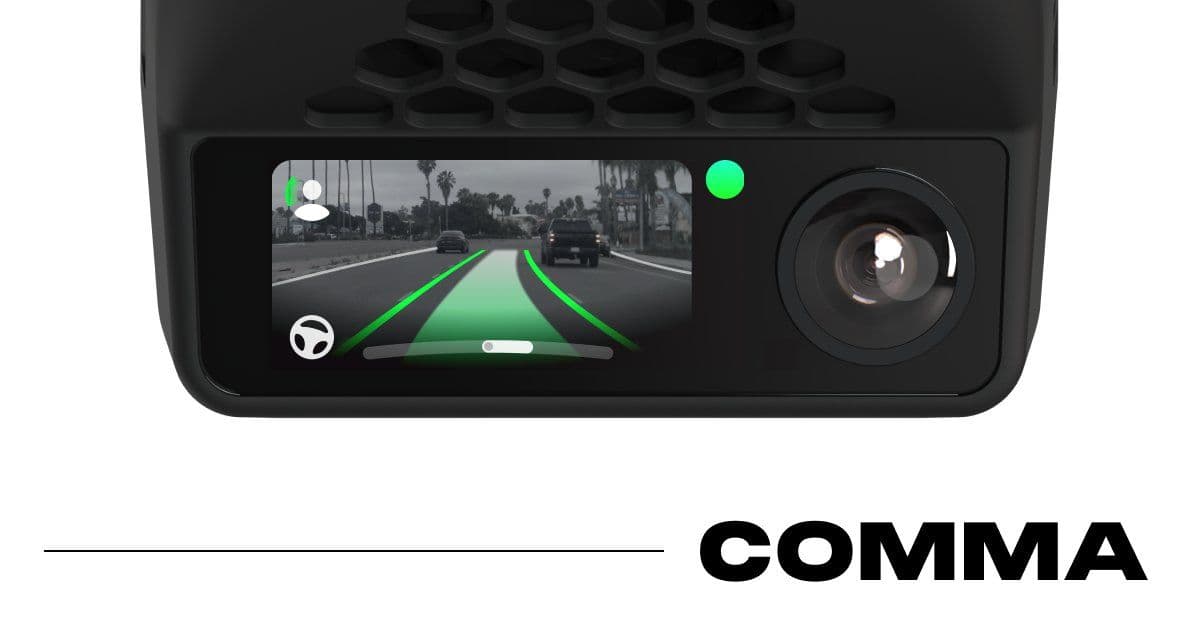
comma.ai introduces Comma Four hardware running openpilot software, claiming enhanced driver assistance capabilities for over 300 vehicle models, though limitations persist in autonomous functionality.
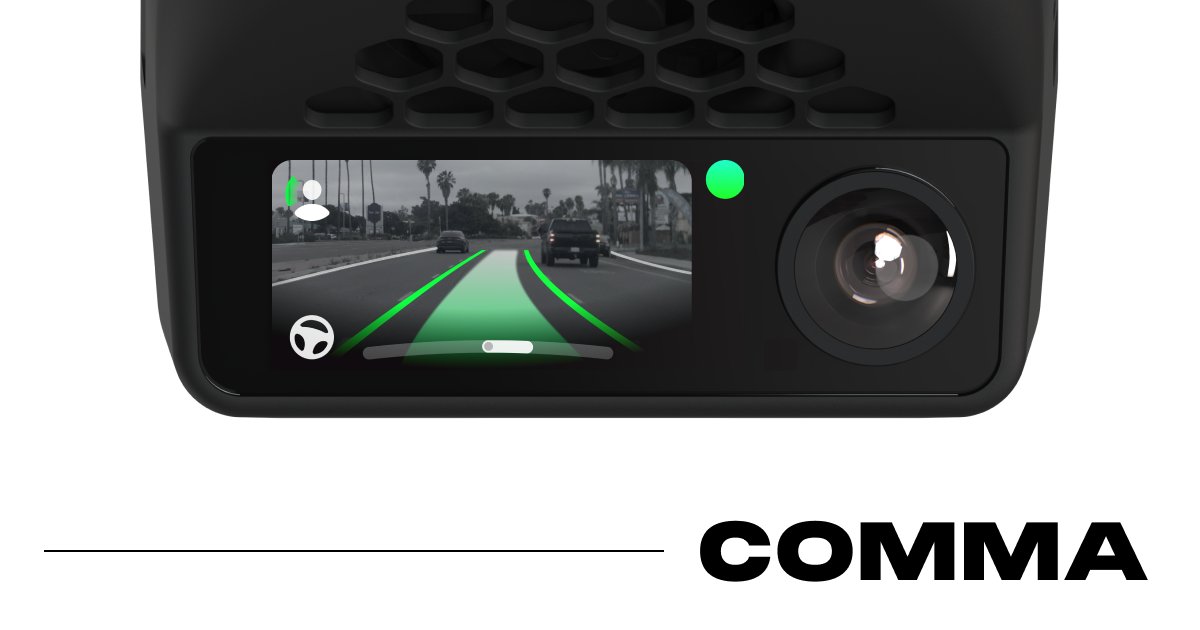
comma.ai has launched its Comma Four hardware unit, positioned as an aftermarket upgrade for existing vehicles to enable advanced driver assistance features. The device runs the company's open-source openpilot software, which now claims compatibility with 325+ vehicle models across 27 brands including Toyota, Hyundai, and Ford.
The system processes inputs from a vehicle's existing sensors through a Qualcomm Snapdragon processor using neural networks trained on real-world driving data. Key advertised capabilities include:
- Lane centering with curvature handling
- Adaptive cruise control with stop-and-go functionality
- Automatic lane changes initiated by driver signal
- 360° vision processing from vehicle cameras
- Dashcam recording with incident detection
- Over-the-air software updates
Unlike manufacturer systems, openpilot operates independently of OEM software. Users install the Comma Four device via the OBD-II port, with calibration requiring approximately 100 miles of driving data. The company emphasizes that the system can maintain control "for hours" during highway driving, but this remains conditional on driver supervision.
Technical limitations merit examination:
- Autonomy Claims: While marketing suggests extended autonomous operation, the system remains SAE Level 2, requiring constant driver attention. Hands-off driving duration varies by vehicle and road conditions.
- Vehicle Compatibility: Support focuses on models with electronic steering assist (EPS) and camera/radar systems. Many European brands remain unsupported due to proprietary protocols.
- Safety Boundaries: The system disengages below 12 mph during sharp turns or in complex urban environments. Driver monitoring relies on cabin cameras tracking head position.
comma.ai cites 300+ million miles of real-world driving data and 20,000 active users as validation metrics. Their GitHub repository shows 50,000 stars, reflecting developer interest in the open-source project. Third-party validations include:
- Snazzy Labs highway stress tests
- Car and Driver comparative analysis
- Consumer Reports safety evaluations



The system's $1,499 price positions it as a mid-range alternative to OEM upgrades. comma.ai founder George Hotz maintains that community-driven development accelerates capability improvements faster than traditional automakers. However, regulatory hurdles persist: openpilot operates in a legal gray area where manufacturers explicitly void warranties for third-party ADAS modifications.
Future development focuses on expanding model compatibility and refining urban driving capabilities, though full self-driving remains outside the current technical scope. The project represents a significant open-source alternative in driver assistance, yet underscores the gap between consumer expectations and achievable autonomy with current sensor configurations.
Comments
Please log in or register to join the discussion