
India's top-tier soccer league faces an unprecedented revenue crisis as it struggles to secure both corporate sponsorship and media broadcasting partners, with the season already delayed by five months and clubs preparing for severe financial cuts.
The Indian Super League (ISL) is confronting its most severe commercial challenge since inception, with the 2025-26 season delayed by approximately five months to February 12, 2026, as the league remains unable to secure a media broadcasting partner or title sponsor. This dual failure threatens to slash club revenues by an estimated 60-70%, forcing teams across the 13-club competition to implement immediate pay reductions and potential staff layoffs.
Despite generating billions of rupees in revenue during previous seasons and growing grassroots interest in the sport—highlighted by Lionel Messi's recent visit to Delhi—the league's commercial model has collapsed under structural pressures. The absence of a media partner is particularly damaging, as broadcasting fees typically represent 40-50% of club income in emerging football markets. Without live television distribution, clubs lose not only direct media revenue but also the exposure needed to attract sponsors and build fan engagement.
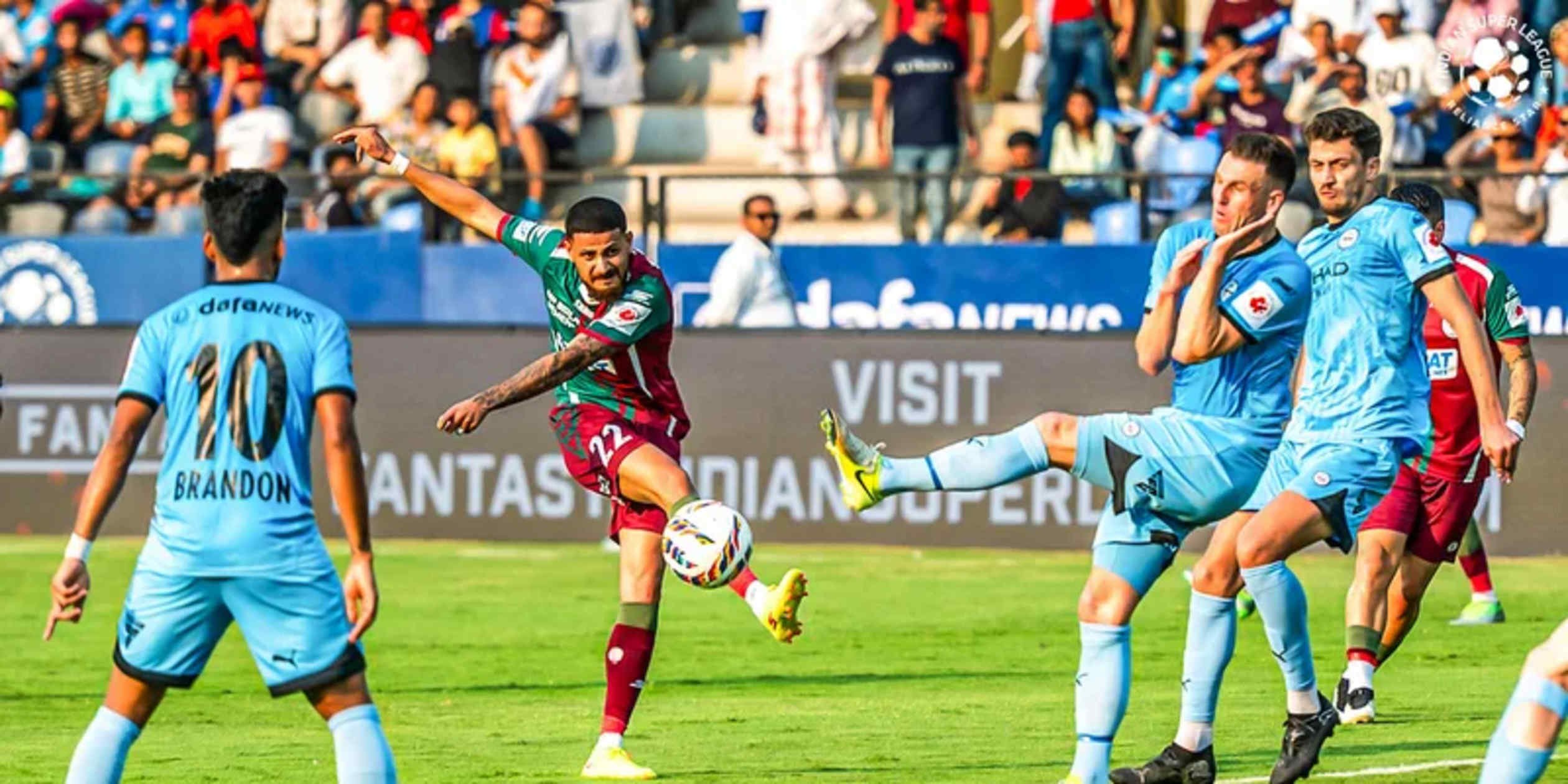
The timing is critical. Mumbai City FC and Mohun Bagan Super Giant, two of the league's marquee franchises, were scheduled to play in March 2025 at Mumbai Football Arena, but the broader season remains in limbo. The league's commercial struggles reflect deeper issues in India's sports media landscape, where traditional broadcasters have become increasingly selective about rights acquisitions, and streaming platforms have yet to demonstrate sustainable economics for live sports in the Indian market.
For context, the ISL launched in 2014 with significant investment from Reliance Industries through its subsidiary Football Sports Development Limited. The league initially operated with a franchise model that promised substantial returns through media rights and sponsorships. However, the current crisis suggests the market may have been overestimated. While India's football fanbase is growing—estimated at over 150 million active viewers—monetization remains elusive. The average ISL broadcast rights were previously valued at approximately ₹80-100 crore ($10-12 million) per season, but current offers are reportedly 50-60% below historical levels.
The financial implications extend beyond the top tier. The I-League, India's second division, and lower-tier competitions face even greater uncertainty, as their commercial viability depends heavily on the ISL's success as an anchor property. Youth development programs, which clubs fund through senior team revenues, are also at risk.
Clubs are already taking defensive measures. Several franchises have frozen salaries for non-playing staff and are negotiating reduced contracts with players. The most vulnerable are smaller market teams like NorthEast United and Odisha FC, which lack the commercial backing of conglomerate-owned clubs such as Mumbai City (City Football Group) or Bengaluru FC (JSW Group).
The crisis also highlights the fragmented nature of Indian football governance. The All India Football Federation (AIFF) continues to operate separately from the ISL's commercial rights holder, creating coordination challenges in marketing and development. This structural divide has prevented the creation of a unified media strategy that could package ISL, I-League, and national team content together for maximum value.
Looking ahead, the league's survival may depend on alternative distribution models. Some clubs are exploring direct-to-consumer streaming partnerships or regional broadcast deals that bypass national rights holders. However, these approaches require significant upfront technology investment and may not generate comparable revenue to traditional broadcasting.
The commercial crisis also coincides with broader economic headwinds in India's sports industry. Corporate sponsorship budgets have tightened, and media companies are prioritizing cricket, which commands 80-85% of sports advertising spend. Football must compete with established cricket leagues like the IPL, which recently secured media rights deals exceeding $6 billion for five years.
For international investors and football brands watching India, the ISL's struggles serve as a cautionary tale about market entry timing and revenue model sustainability. The league's original promise was to tap into India's demographic dividend—young, urban consumers with disposable income—but that demographic remains fragmented across multiple entertainment options.
The next 60 days will be decisive. If the ISL cannot secure a media partner by its revised February launch, the season may be shortened or played behind closed doors, further eroding revenue potential. Clubs are preparing contingency plans, including reducing squad sizes and cutting academy investments—decisions that could have lasting impacts on India's football development pipeline.
The league's commercial crisis ultimately reflects a maturing but still immature sports market: one with audience growth but uncertain monetization pathways, where traditional business models are being stress-tested against new media realities and intense competition from established sports properties.
Comments
Please log in or register to join the discussion