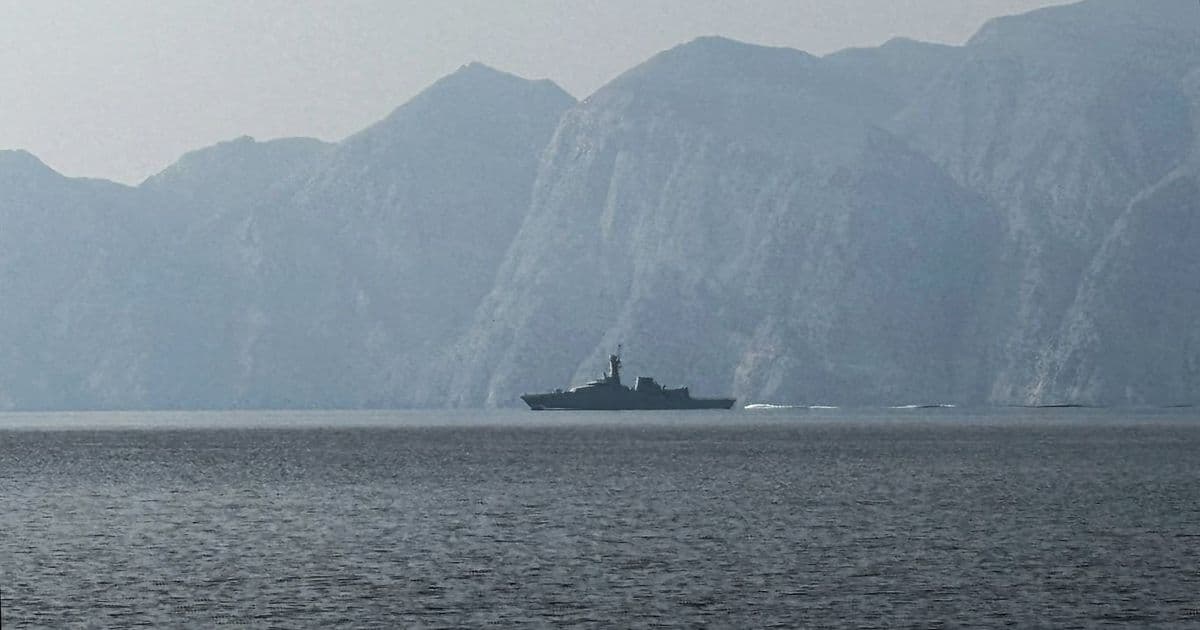
President Trump announced that US forces destroyed nine Iranian naval ships following attacks on commercial vessels in the strategic waterway, escalating tensions in the Persian Gulf region.
President Donald Trump declared on Wednesday that US military forces had destroyed nine Iranian naval vessels in the Strait of Hormuz, marking a significant escalation in tensions between the two nations. The announcement came amid reports of attacks on commercial ships in the strategic waterway that connects the Persian Gulf to the Gulf of Oman.
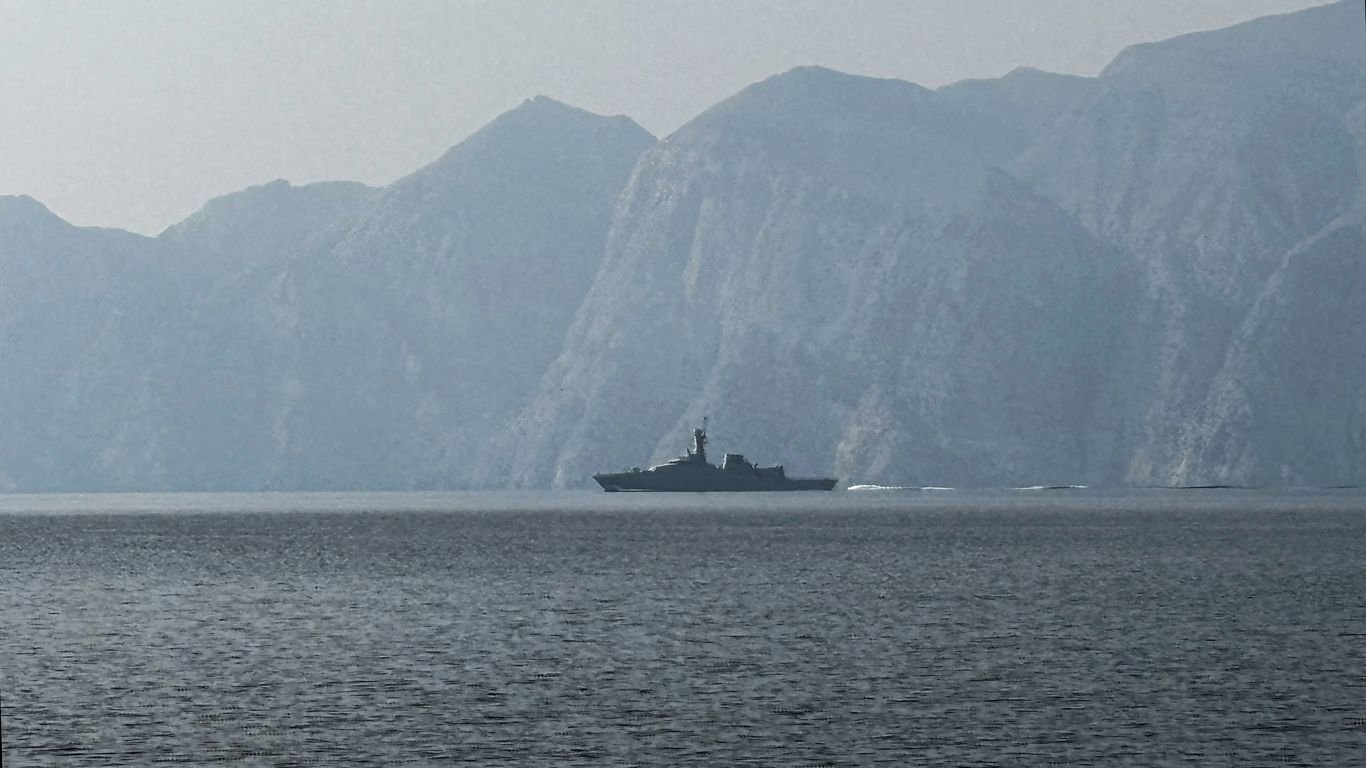
The Strait of Hormuz, through which approximately 20% of the world's oil passes, has long been a flashpoint for regional conflict. The waterway's strategic importance cannot be overstated - roughly 21 million barrels of crude oil transit through the strait daily, making it a critical artery for global energy markets.
Trump's announcement follows a series of maritime incidents in the region that have heightened concerns about potential disruptions to shipping lanes. The US military has maintained a significant presence in the Persian Gulf for decades, conducting regular patrols and freedom of navigation operations in the area.
While the White House has not provided specific details about the timing or circumstances of the reported naval engagements, the claim represents one of the most direct confrontations between US and Iranian forces in recent years. The destruction of nine vessels would constitute a substantial military action, potentially involving surface ships, patrol boats, or other maritime assets.
The international community has reacted with concern to the escalating rhetoric. European Union officials have called for restraint on all sides, while oil markets have shown volatility in response to the heightened tensions. Brent crude futures experienced a 3.2% increase following the announcement, reflecting investor anxiety about potential supply disruptions.
Iran has not yet issued an official response to Trump's claims. The Iranian government has previously warned that any military action against its naval forces would be met with a decisive response, raising the specter of further escalation in the region.
This development comes against the backdrop of ongoing tensions between Washington and Tehran, including disputes over Iran's nuclear program, regional influence, and economic sanctions. The Trump administration has pursued a "maximum pressure" campaign against Iran, withdrawing from the 2015 nuclear deal and reimposing economic sanctions.
The Strait of Hormuz has witnessed numerous confrontations between US and Iranian forces over the years. In 2019, Iran seized a British-flagged oil tanker in the strait following the UK's detention of an Iranian vessel off Gibraltar. The incident highlighted the vulnerability of commercial shipping in the region and the potential for miscalculation to trigger broader conflict.
Military analysts note that the reported destruction of nine Iranian vessels would represent a significant blow to Iran's naval capabilities in the region. Iran's naval forces, while not comparable to major powers, have developed asymmetric capabilities including small, fast attack craft, mines, and anti-ship missiles designed to counter larger naval forces.
The timing of Trump's announcement is particularly noteworthy given the upcoming US presidential election and ongoing negotiations over Iran's nuclear program. Some observers suggest the move could be aimed at demonstrating strength to domestic audiences or pressuring Iran into concessions on other fronts.
As the situation develops, attention will focus on Iran's response and the potential for further military action. The international community will be watching closely for any signs of escalation that could threaten the free flow of commerce through this vital waterway.
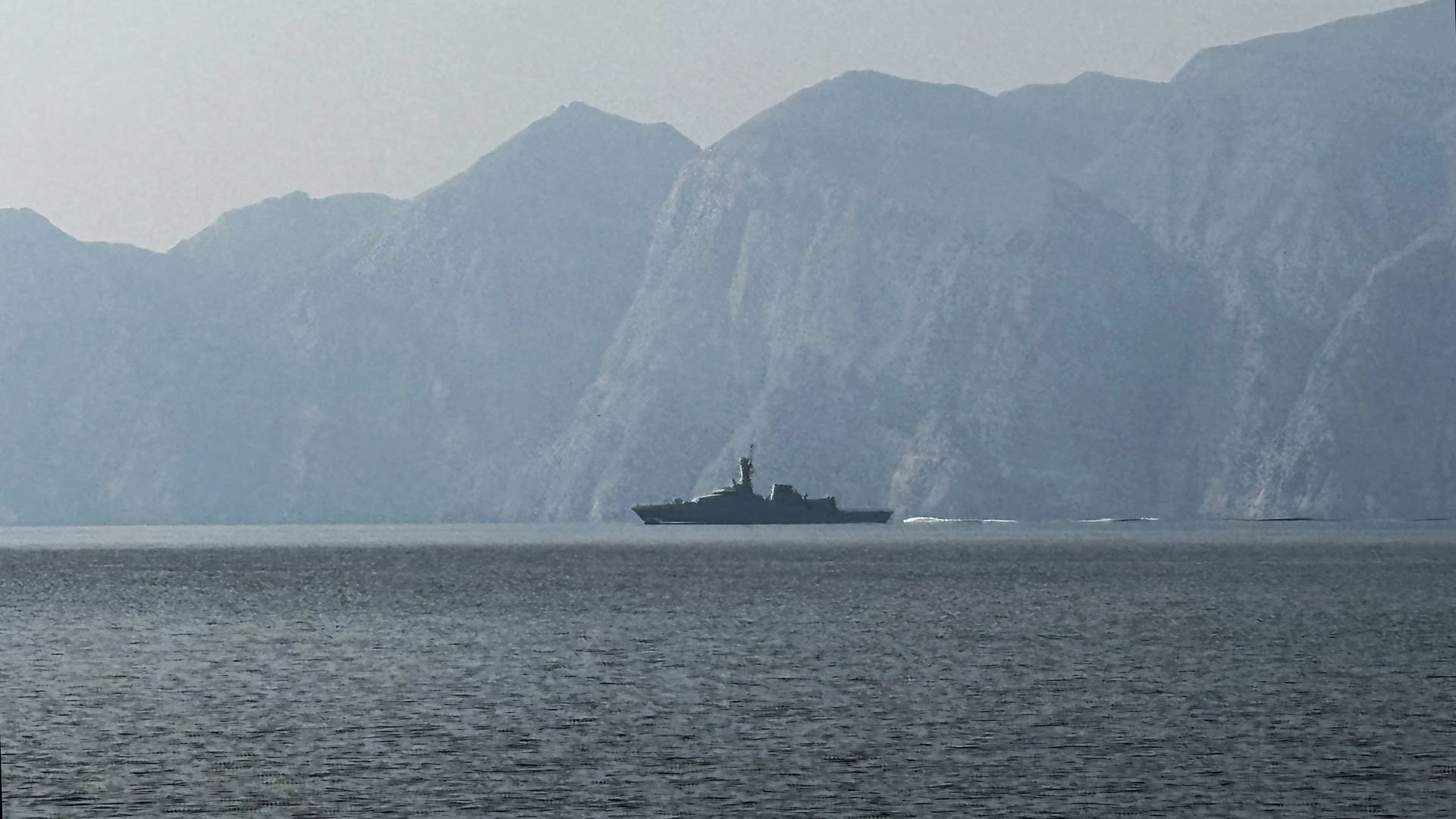
The incident underscores the fragile nature of security in the Persian Gulf and the potential for miscalculation to trigger broader conflict. With global energy markets already volatile due to various factors including OPEC+ production decisions and pandemic-related demand fluctuations, any sustained disruption to shipping in the Strait of Hormuz could have significant economic repercussions worldwide.
As both nations appear to be hardening their positions, the coming days will be critical in determining whether this represents a one-time engagement or the beginning of a more sustained period of confrontation in one of the world's most strategically important waterways.
Comments
Please log in or register to join the discussion