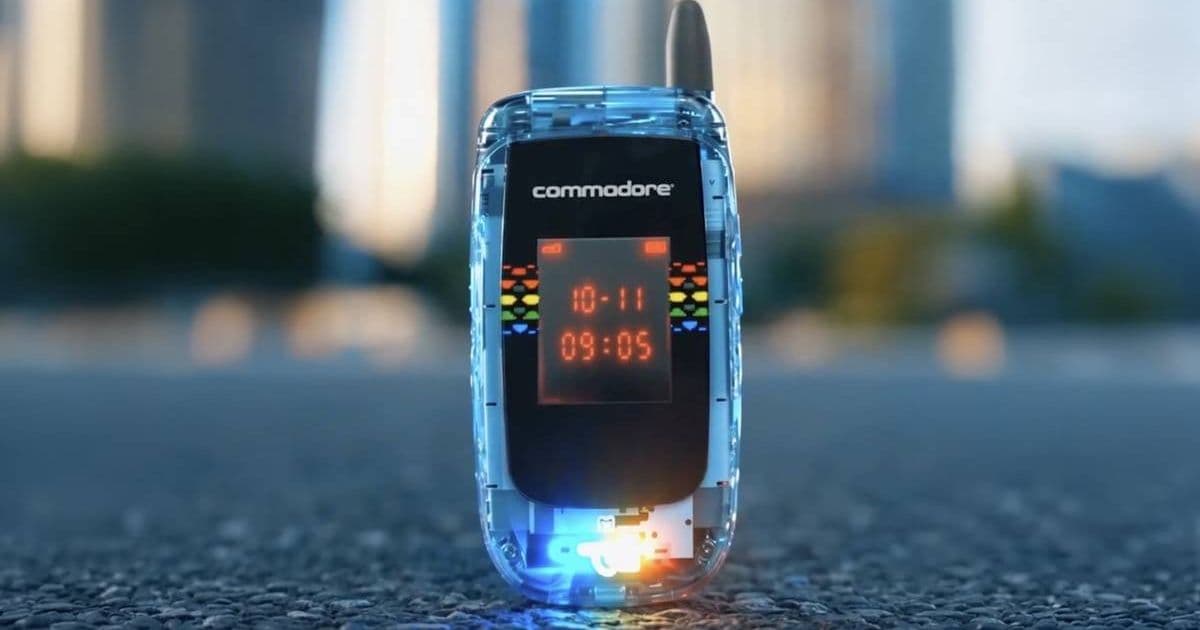
Commodore’s Callback 8020 puts Sailfish OS, Android app support, physical keys, and a social media block inside a retro flip phone built for phone-weary users.
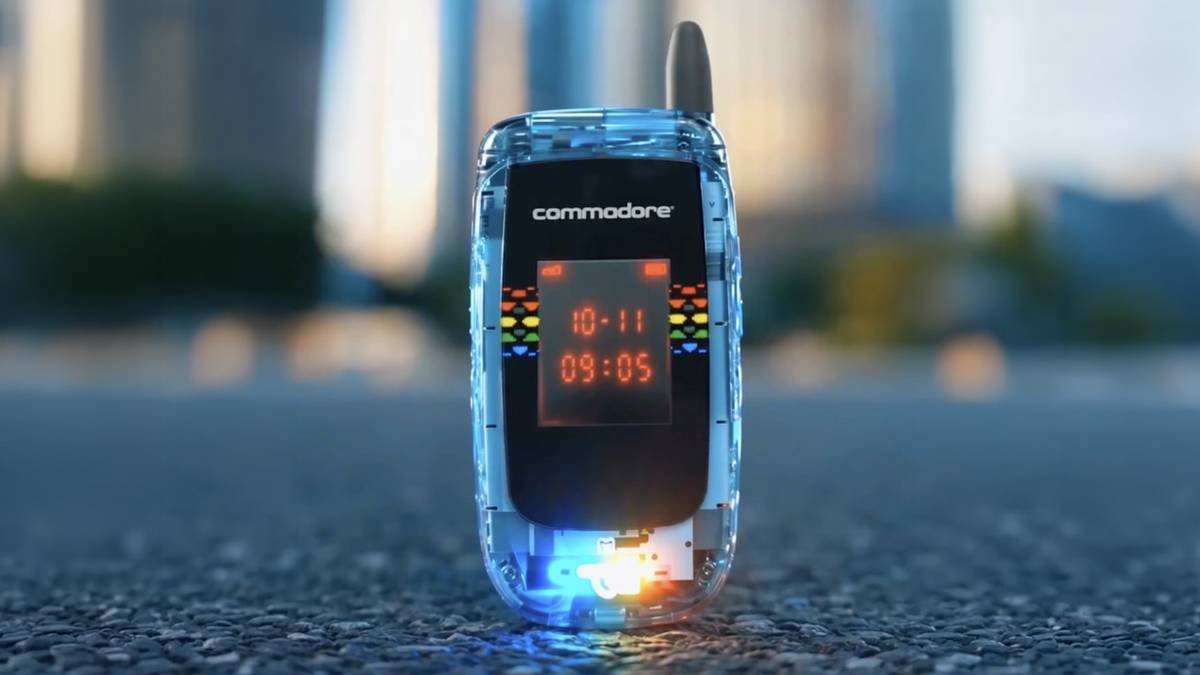
Commodore will open preorders June 30 for the Callback 8020, a $500 retro flip phone that runs Sailfish OS, supports Android apps through Jolla’s compatibility layer, and blocks browsers and social media through a whitelist system.
Platform update
Christian Simpson, who runs Retro Recipes x Commodore as Peri Fractic, acquired Commodore’s trademarks in 2025 for a price he described in the low seven figures. Since then, his team has shipped the Commodore Ultimate and the Commodore 64X PC, both aimed at buyers who want modern hardware inside familiar Commodore shapes.
The Callback 8020 pushes the revived brand into mobile. Commodore describes the phone as a middle ground between a basic phone and a smartphone. You get calls, texts, maps, music, Signal, WhatsApp, Spotify, and other allowed Android apps. You do not get open browsing or social feeds unless Commodore or the user’s whitelist permits them.
Commodore says the phone runs the Linux-based Sailfish OS, which Jolla develops. Former Nokia employees founded Jolla after Nokia left MeeGo behind, and Sailfish has kept a small but steady place among mobile operating systems that sit outside iOS and Google Android.
The key software claim concerns Android support. Commodore says more than 99% of Android apps will run through Sailfish OS’ Android runtime app compatibility layer. That figure matters because most alternate mobile platforms struggle without app access. A phone that blocks Instagram and TikTok still needs banking, maps, music, transit, and encrypted messaging if buyers plan to carry it outside weekends.
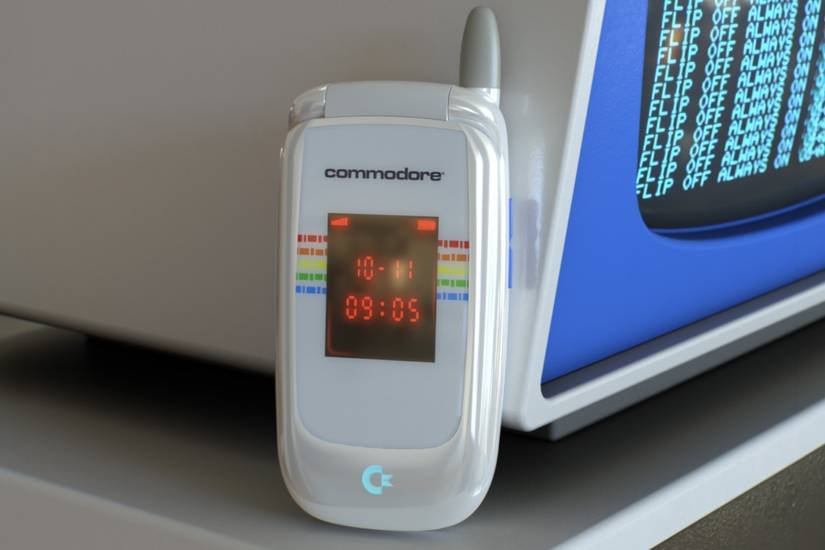
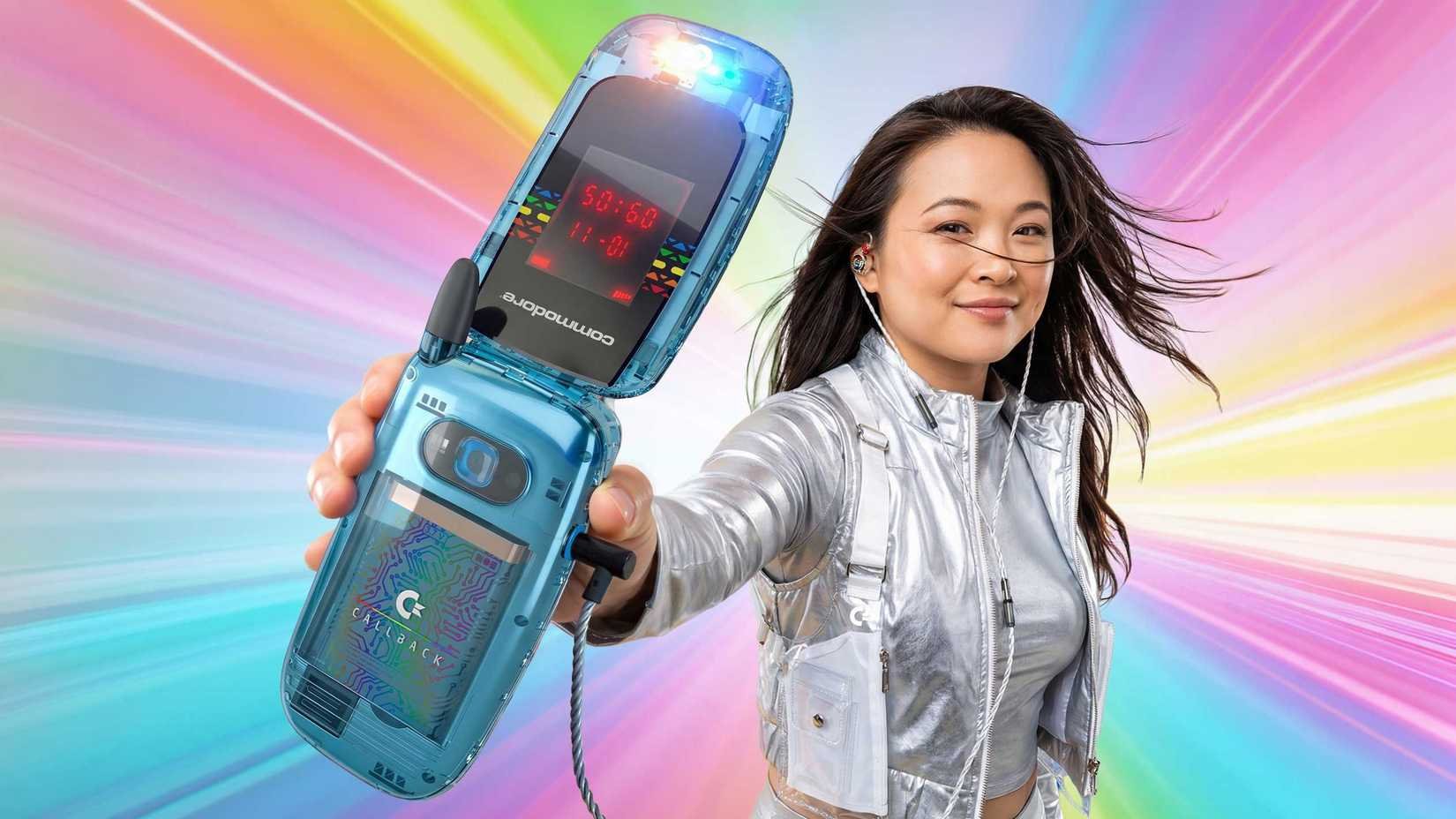
The hardware leans into Commodore’s old visual language. Color options include ProtoPET White, SX Silver, Basic Beige, Founders Edition gold, and a translucent blue Starlight Edition. The phone also has swappable covers in red, pink, yellow, green, and blue.
The Callback 8020 adds a dome-shaped LED message light, built-in Commodore 64 games, and Snake. Commodore has not named the full game list. The company has confirmed Snake, which fits the phone’s keypad-first pitch.
Developer impact
Mobile teams should treat the Callback 8020 as a constrained Android-adjacent target, not a standard Android device. Sailfish OS can run Android apps, but Google Mobile Services, browser access, background behavior, notification handling, and account flows may differ from a typical Android phone.
That distinction matters for apps that depend on Google Play Services. Push notifications, maps, sign-in, in-app purchases, and SafetyNet or Play Integrity checks can break or require alternate paths. A banking app may install and launch, then reject the device during attestation. A chat app may work, but teams need to test notification delivery while the clamshell sleeps.
Commodore’s whitelist also changes product assumptions. A developer cannot assume users can tap a support link, authenticate through a browser, read web-based terms, or complete a social login flow. Apps that route setup through an embedded web view may hit the phone’s browser restrictions.
Teams that maintain Android apps should audit flows that leave the app. OAuth, help centers, password resets, map handoffs, payment pages, and captcha screens need device testing. If a flow relies on Chrome Custom Tabs or Google account services, ship an alternate route or state the limitation in support docs.
Cross-platform teams face another problem. React Native, Flutter, Kotlin Multiplatform, and web-wrapped apps can package for Android, but the runtime does not erase platform policy. The app may install, while the user experience breaks at notifications, permissions, media playback, camera access, or background tasks.
The physical form factor adds more work. A flip phone with a keypad asks for focus handling, clear tab order, large hit targets, and text entry that does not assume a full touchscreen keyboard. Android apps that bury core controls behind gesture-heavy interfaces may feel awkward here.
The social media block also affects schools, parents, and managed device buyers. Commodore pitches the Callback 8020 as a device that keeps useful apps while removing scroll-heavy services. IT teams will ask how the whitelist works, who controls it, how updates ship, and whether users can bypass restrictions with sideloaded APKs, VPNs, or alternate app stores.
Commodore has not answered all of those questions in the launch details. Buyers who plan to deploy the phone in schools or workplaces should wait for device management docs, update policy, and security details before placing large orders.
Migration
A developer who wants to support the Callback 8020 should start with a plain Android compatibility pass. Install the app on Sailfish OS, sign in with a fresh account, test push notifications, test offline behavior, and run the flows that open external services.
Next, test the app without Google services. Replace Google sign-in with email, passkeys, or another supported provider. Replace Google Maps dependencies with a fallback path if your app needs maps. Remove hard blocks that reject non-Google Android environments unless your compliance team requires them.
Teams should also review browser assumptions. If your onboarding sends users to a website, bring the required step inside the app or expose a QR code that lets users finish setup on another device. If your support flow opens a web help center, add in-app contact options.
The user interface needs a keypad pass. Make the first screen useful without dense touch gestures. Keep forms short. Support hardware Back, Enter, and directional input where the runtime exposes them. Avoid tiny tappable text, horizontal carousels, and controls that require swipe precision.
Developers who ship communication, music, maps, transit, notes, podcasts, school, or family apps have the clearest opportunity. Commodore’s whitelist model favors tools that help users do a job and leave the phone alone. Apps that depend on feeds, ads, engagement loops, and browser redirects will clash with the product’s purpose.
The Callback 8020 also gives Sailfish OS a rare consumer hardware moment. Jolla has spent years building an alternate mobile stack, but most users never see it on new mainstream hardware. Commodore’s brand recognition gives Sailfish a cleaner path into consumer attention, even if the phone sells in niche volumes.
Preorders begin at 4 a.m. ET June 30. Commodore lists the starting price at $500. The company has not given a full ship date, carrier list, regional compatibility chart, or final SDK guidance for developers.
That leaves one practical takeaway for mobile teams: treat the Callback 8020 as a signal. Users want phones that keep maps, music, secure messaging, and payments while cutting feeds and browsers. Developers who make core utilities should test for that world now, because Commodore will not be the last company to sell a phone around restraint.
Comments
Please log in or register to join the discussion