
Pixel 6 owners and newer Pixel users get Android 17 first, with stronger privacy controls, app bubbles, screen recording upgrades and foldable features that keep Google’s phones ahead of the wider Android pack.
Google started rolling out Android 17 to Pixel 6 and newer phones Wednesday, June 17, 2026, giving Pixel owners first access to the stable version before other Android manufacturers ship updates through 2026.
Google also released Android 17 source code to the Android Open Source Project, which gives device makers the base they need to adapt the OS for their own phones, tablets and foldables. Pixel users get the cleanest path because Google controls the hardware, software and update channel.
The update puts multitasking near the top of the list. Google added App Bubbles, a feature that lets you turn apps into floating windows above other apps. On foldables and larger screens, Google adds a bubble bar at the bottom of the display, giving you a desktop-style way to manage open app windows without leaving the screen you use.
Foldables get another targeted upgrade through a 50/50 game layout. Google places the game on one side of the display and a dynamic gamepad on the other. That gives foldable owners a built-in control surface without a clip-on controller, though Google says the gaming feature arrives in the coming months.
Android 17 also adds Screen Reactions for screen recording. You can record your screen and capture your face through the selfie camera at the same time. Creators, support staff and anyone sending app walkthroughs get a cleaner way to show a tap path and a reaction in one recording.
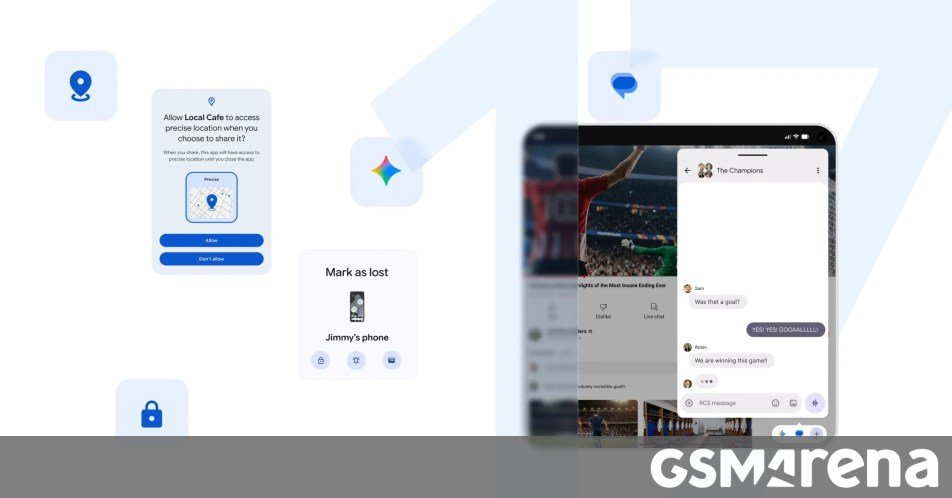
Google made location sharing more granular. Android 17 adds a one-time precise location option for apps, updates approximate location handling and redesigns the Precise and Approximate location controls. That matters because many apps need a city or neighborhood, while fewer apps need your exact position.
Contacts get a similar privacy change. Android 17 lets you share selected contacts with an app instead of handing over your full address book. That gives messaging, delivery and social apps less access by default, and it reduces the cost of tapping yes during setup.
Google also expanded Find Hub protections. A Mark as lost feature lets you lock a missing device with biometrics. Android 17 updates Live Threat Detection and Advanced Protection mode, giving high-risk users stronger defenses against suspicious apps and account attacks.
Performance gets attention through a new app memory limit feature. Google gives Android 17 a way to stop apps from consuming too much RAM, which should help phones keep background tasks under control. That change matters on older Pixel 6 and Pixel 7 models, where memory pressure can affect multitasking more than raw processor speed.
Design changes round out the release. Google expanded dark theme coverage, added a setting to hide app names on the Home screen and adjusted several interface details. Those changes refine the Pixel experience rather than remake it.
Gemini remains part of Google’s Android plan, but the biggest Gemini Intelligence features do not arrive with this stable release. Google says select advanced Android devices will receive Gemini Intelligence this summer. That timing keeps Pixel owners first in line for Android 17, while Google holds some AI features for a separate wave.
The rollout also shows Google’s ecosystem advantage. Samsung, OnePlus, Xiaomi and other Android brands must adapt the Android 17 code to their hardware, skins, cameras and carrier requirements. Pixel owners skip much of that delay because Google ships the OS straight to its own devices.
That advantage also deepens Pixel lock-in. A Pixel 6 or newer phone now gets stable Android 17, early access to Pixel-specific features and a faster path to Gemini features. Buyers who care about first-day OS updates still have a clear reason to choose Pixel over other Android phones.

Android 17 does not change the basic Android split: Google can update Pixel phones first, while the rest of the market moves at each manufacturer’s pace. This release still gives Android users a useful set of upgrades: tighter data sharing, better multitasking, stronger lost-device controls and smarter support for foldable screens.
Comments
Please log in or register to join the discussion