
Honor's compact flagship offers high-frequency PWM dimming up to 4,320 Hz plus DC dimming options, making it a compelling choice for OLED-sensitive users.
The most common method used to control the brightness of an OLED display is found in nearly every current smartphone with such a panel, namely pulse width modulation. PWM flicker, especially at low frequencies, can be perceptible to the human eye and may lead to eye strain, eye irritation or headaches. Thanks to high-frequency PWM dimming, such as in the Honor Magic 8 Pro Air with up to 4,320 Hz, modern OLED panels are relatively easy on the eyes. However, due to the often low base frequency, issues for sensitive users cannot be completely ruled out, including on the Honor smartphone.
Honor also equips the Magic 8 Pro Air with many additional adjustment options in the settings for sensitive users. MagicOS 10 is therefore ahead of other Android interfaces in this regard.
Android smartphone with DC dimming and PWM dimming
The Magic8 Pro Air offers two modes to reduce potential eye strain caused by OLED flicker. In addition to high-frequency PWM dimming, which can operate at 3,840 Hz as well as 4,320 Hz at low display brightness, users can also choose between two different DC dimming options at medium and high brightness levels. Whether this has a noticeable effect in everyday use is difficult to quantify and depends on individual perception. However, the availability of these options is clearly an advantage for affected users.
The "eye comfort display" settings menu also includes several features, such as a contrast test and a color vision test. In addition, a feature called "defocus" is implemented in the system. According to Honor, defocus simulates looking into the distance to help reduce eye strain. Additional features of the Magic8 Pro Air include "natural tone", which adjusts screen colors to match ambient lighting, as well as a "circadian night display", which reduces the amount of blue light emitted.
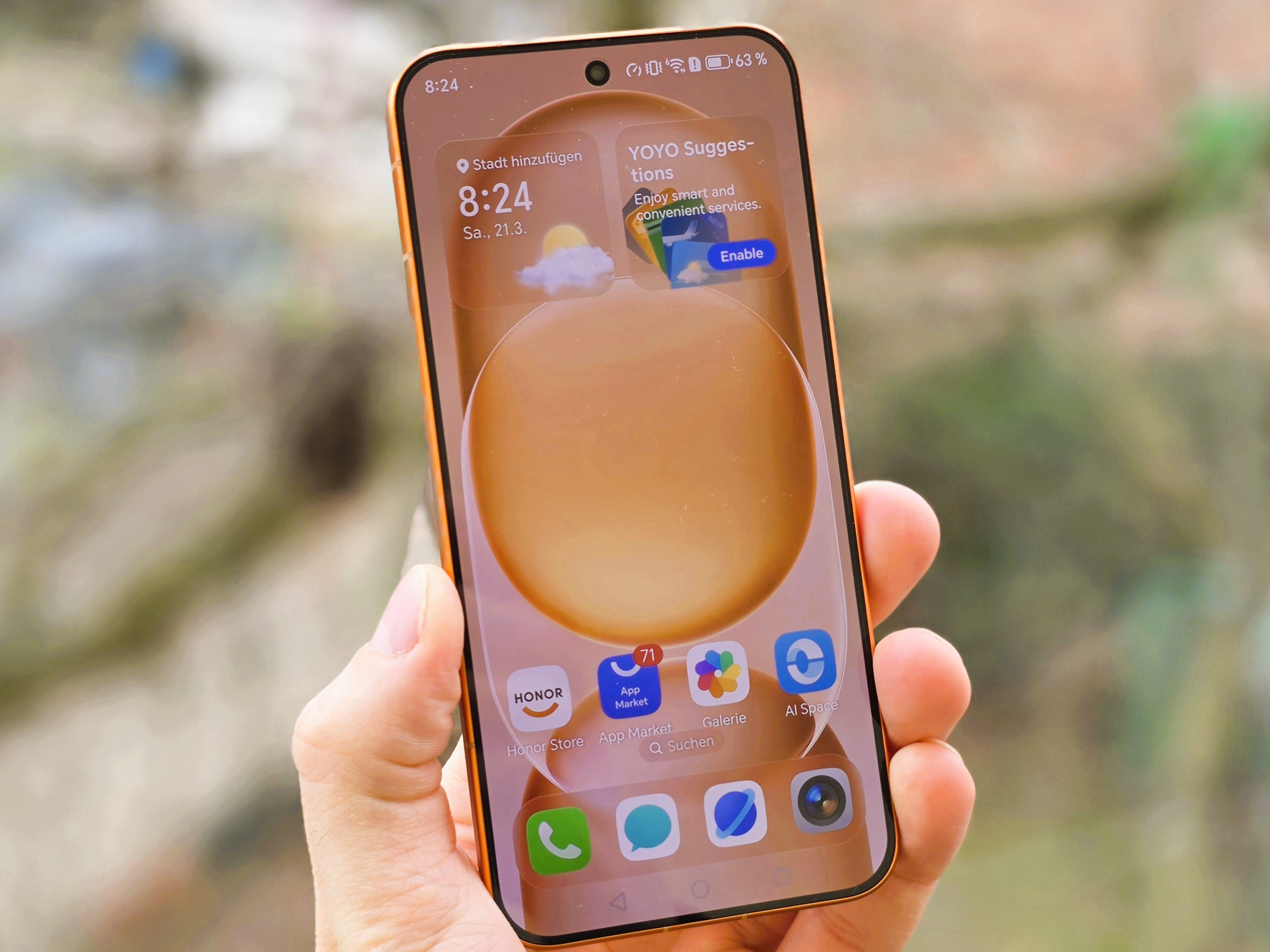
How well the OLED panel performs in the display measurements and whether the compact flagship phone is worth considering are covered in the full review. In terms of pricing, the Honor device is already very attractive compared to Apple's ultra-thin iPhone Air. The Magic8 Pro Air starts at around €700 as an import from our partner Trading Shenzhen.
Source(s) Honor Magic8 Pro Air review
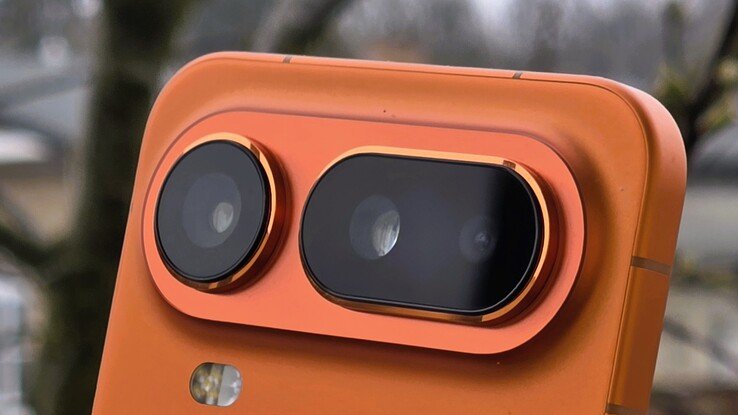
Verdict: A compelling choice for sensitive users
The Honor Magic 8 Pro Air represents a thoughtful approach to addressing OLED-related eye strain concerns that affect a subset of users. While high-frequency PWM dimming at 4,320 Hz significantly reduces flicker visibility for most people, Honor's inclusion of DC dimming options and comprehensive eye comfort features demonstrates genuine consideration for those who remain sensitive to even high-frequency PWM.
The device's compact form factor combined with flagship-level specifications makes it particularly appealing for users who want premium performance without the bulk of larger smartphones. The extensive display customization options, including the defocus feature and circadian night display, provide practical tools for managing eye comfort throughout the day.
At approximately €700 as an import, the Magic 8 Pro Air offers substantial value compared to Apple's iPhone Air, especially considering its superior display technology options for PWM-sensitive users. While the effectiveness of these features varies by individual perception, the mere availability of multiple eye comfort modes gives the Honor device a significant advantage for users who have experienced discomfort with standard OLED implementations.
The combination of high-frequency PWM dimming, DC dimming alternatives, and comprehensive eye comfort settings positions the Magic 8 Pro Air as one of the most considerate OLED smartphones for users concerned about display-related eye strain.
Comments
Please log in or register to join the discussion