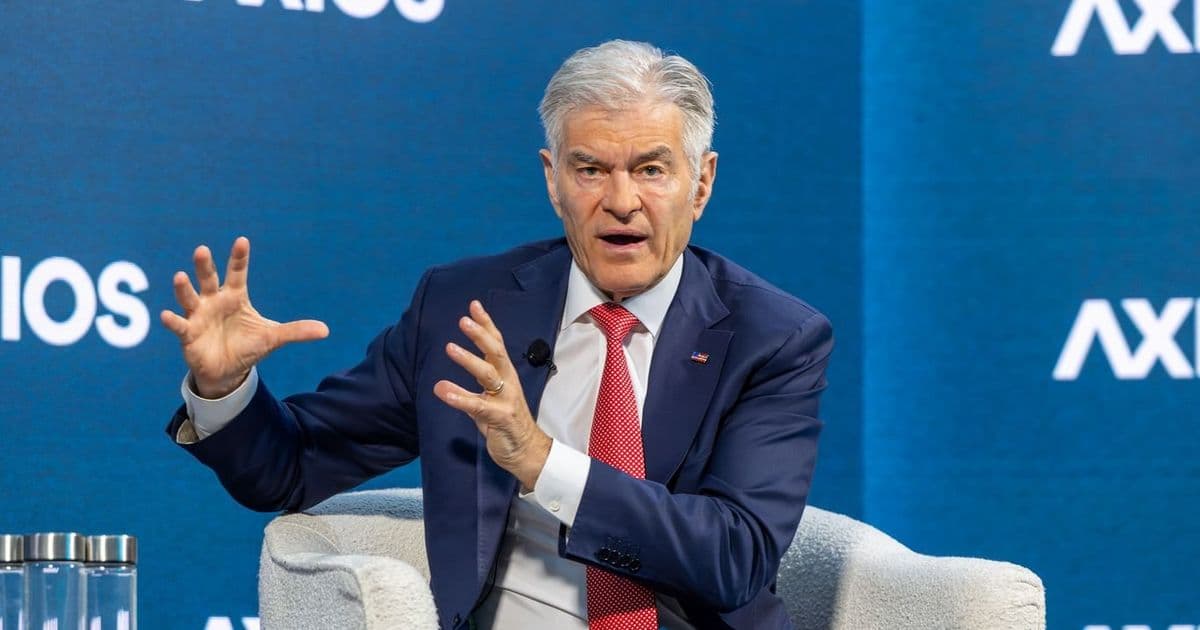
Dr. Oz has launched a new health care coalition focused on reforming prior authorization processes, a move that could impact healthcare costs and administrative efficiency across the industry.
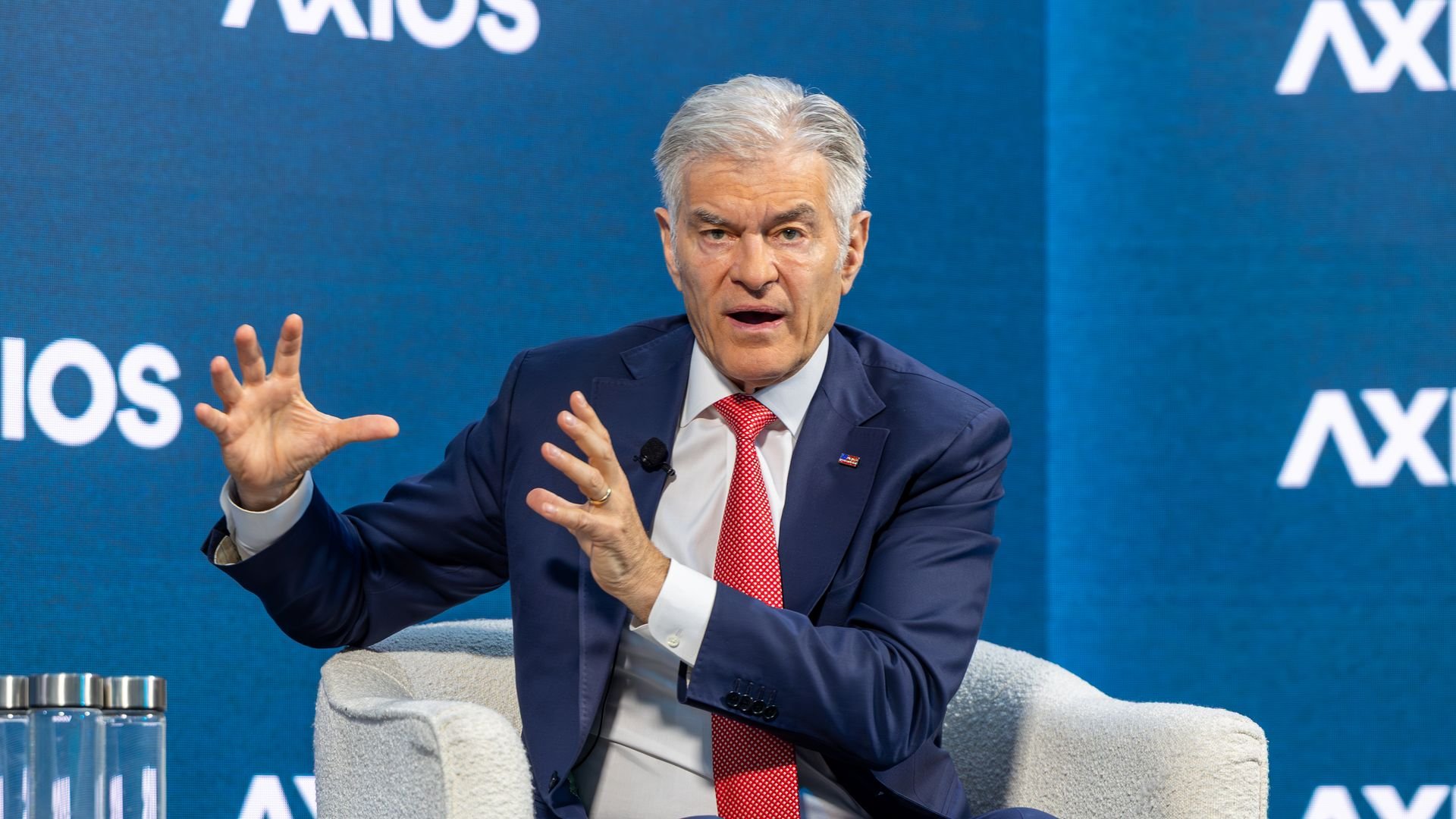
Dr. Oz, the well-known television personality and former U.S. Senate candidate, has announced the formation of a new health care coalition dedicated to streamlining prior authorization processes. The coalition, which brings together healthcare providers, technology companies, and patient advocacy groups, aims to address the significant administrative burden created by prior authorization requirements in the U.S. healthcare system.
Prior authorization, the process by which healthcare providers obtain approval from insurance companies before certain treatments or medications can be covered, has become a major source of inefficiency in American healthcare. According to a 2022 survey by the American Medical Association, physicians and their staff spend nearly 14 hours per week on prior authorization tasks, with 91% of physicians reporting that delays in prior authorization lead to negative patient outcomes.
The new coalition, which has not yet been formally named, will focus on developing standardized processes, leveraging technology solutions, and advocating for policy changes that could reduce the administrative burden of prior authorization. Industry analysts estimate that prior authorization processes cost the U.S. healthcare system between $23 billion to $31 billion annually in administrative costs alone.
"Prior authorization has become one of the biggest barriers to efficient healthcare delivery," said Dr. Oz in a statement. "By bringing together stakeholders across the healthcare ecosystem, we can develop practical solutions that reduce administrative burden while maintaining appropriate oversight of care."
The coalition's formation comes at a time when healthcare costs continue to rise, with U.S. healthcare spending reaching $4.5 trillion in 2022, accounting for 17.3% of the nation's GDP. Administrative costs, which account for approximately 8% of total healthcare spending, have been identified as a key area for potential savings.
Several technology companies have already expressed interest in joining the coalition, including those specializing in artificial intelligence for prior authorization automation. The market for AI-powered prior authorization solutions is projected to grow from $1.2 billion in 2023 to $3.5 billion by 2028, according to market research firm Grand View Research.
Healthcare providers have long criticized the prior authorization process for being time-consuming and inconsistent. A 2023 study published in Health Affairs found that 82% of physicians believe prior authorization programs are designed to delay or deny care rather than ensure appropriate use of services.
The coalition's approach will likely focus on several key areas: developing standardized electronic prior authorization formats, creating real-time decision-making tools, and establishing uniform documentation requirements across payers. These changes could significantly reduce the administrative burden on healthcare providers while maintaining appropriate utilization review.
Industry observers note that similar initiatives have had mixed results in the past. The Prior Authorization Transparency and Technology (PATT) Act, introduced in Congress in 2021, aimed to standardize prior authorization processes but has not yet been passed into law. However, recent momentum around healthcare administrative simplification may provide a more favorable environment for the coalition's efforts.
The announcement comes as Dr. Oz continues to maintain a presence in healthcare policy discussions following his 2022 Senate campaign in Pennsylvania. While not currently holding elected office, Dr. Oz has remained active in healthcare advocacy through various platforms and initiatives.
The coalition's success will likely depend on its ability to secure broad participation across the healthcare ecosystem, including insurance companies, healthcare providers, technology firms, and patient advocacy groups. Early indications suggest that the coalition has already attracted interest from several major healthcare systems and technology companies.
As healthcare costs continue to rise and administrative efficiency becomes an increasingly important focus for policymakers and industry stakeholders, Dr. Oz's new coalition represents a significant development in the ongoing effort to reform one of healthcare's most burdensome processes. The coalition's work could have far-reaching implications for healthcare delivery, costs, and patient outcomes in the United States.
Comments
Please log in or register to join the discussion