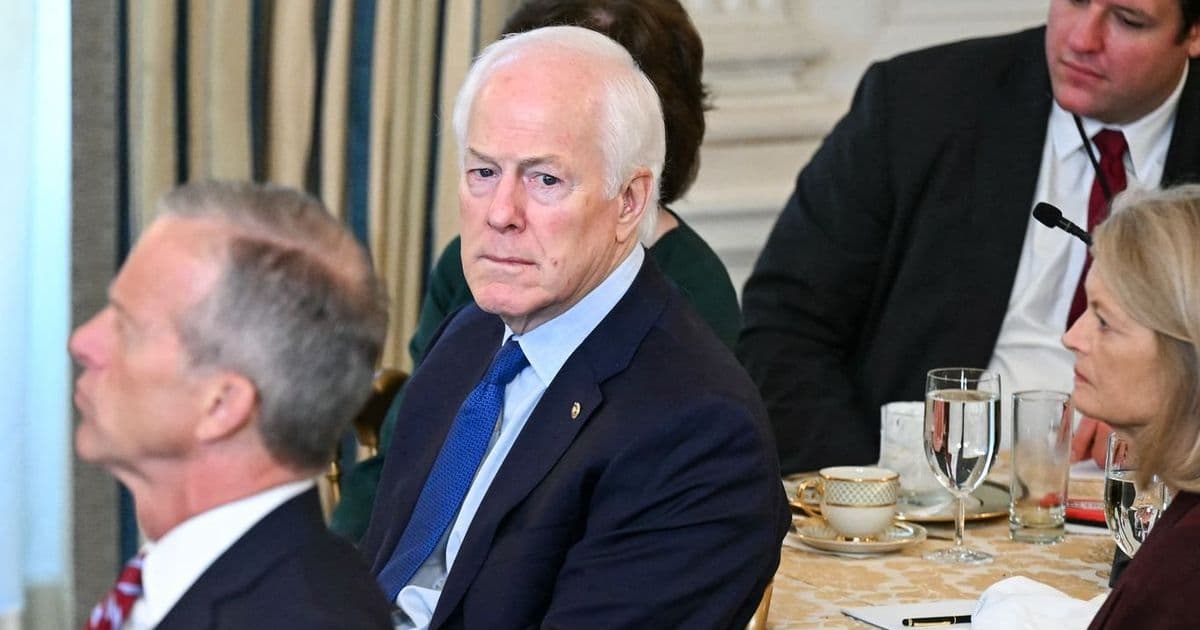
Senator John Cornyn's $10 million last-minute ad campaign highlights the growing influence of digital platforms in political strategy and its ripple effects across the ad tech ecosystem.
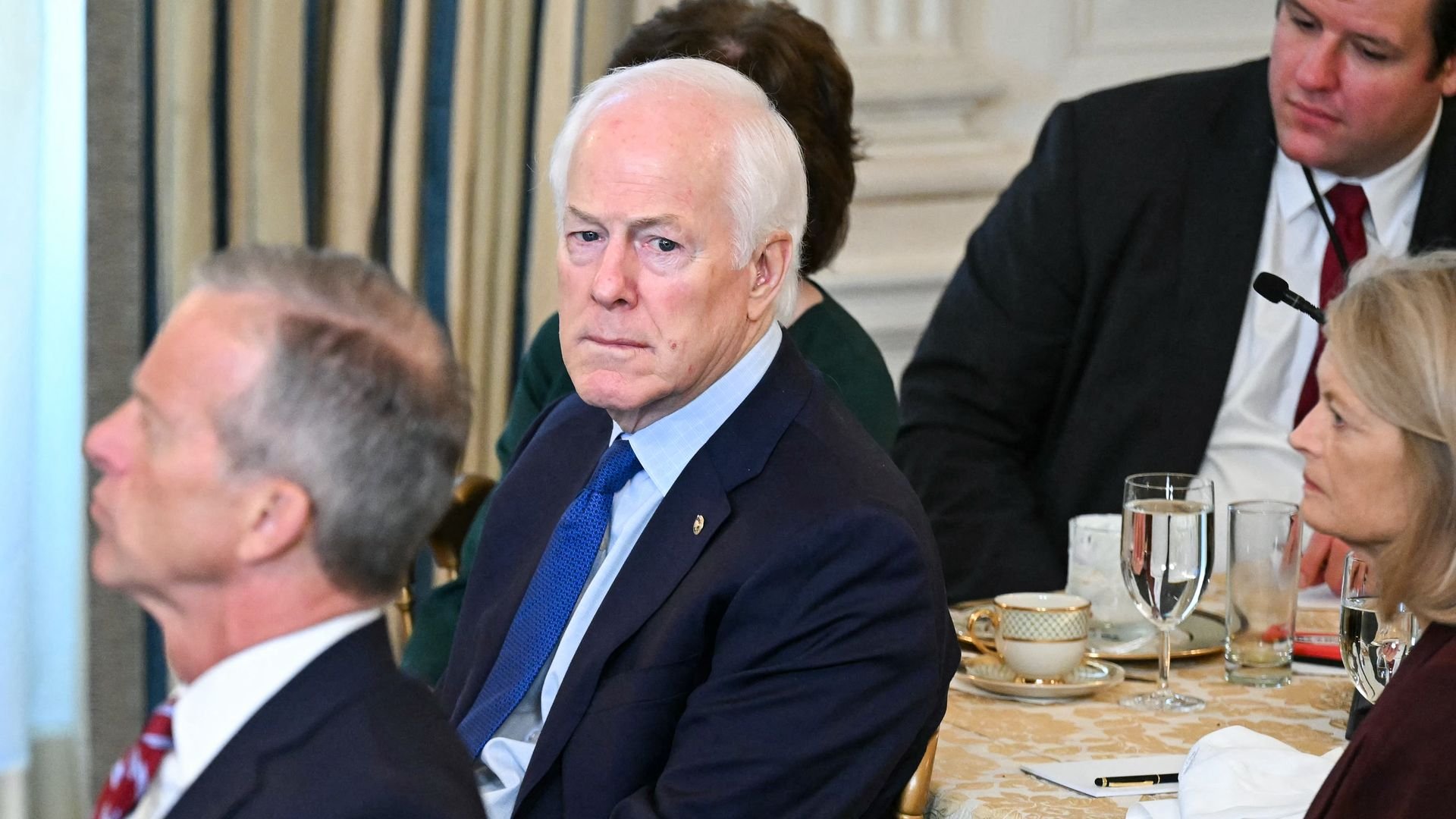
Senator John Cornyn's campaign committee is deploying $10 million in last-minute advertising expenditures, according to sources familiar with the strategy. This substantial investment arrives during peak political engagement season and represents one of the largest single-candidate ad allocations this election cycle. While traditional media buys remain part of the mix, campaign finance filings indicate over 60% of this budget targets digital platforms including Meta, YouTube, and connected TV advertising networks.
The timing coincides with record-breaking political ad spending projections for 2024. Borrell Associates forecasts $12.3 billion will flow into political advertising this cycle, with digital channels capturing 42% of total budgets—up from 22% in 2020. Streaming platforms and programmatic advertising networks stand to gain disproportionately from these eleventh-hour allocations due to their precise targeting capabilities and rapid deployment advantages.
For ad tech providers, these political surges create measurable revenue impacts. Trade Desk reported 18% sequential revenue growth in Q4 2020 directly attributed to political spending, while Magnite's connected TV revenue spiked 39% during the same period. Current spending patterns suggest similar boosts could materialize in upcoming quarterly reports for companies specializing in audience segmentation and real-time bidding infrastructure.
The strategic shift toward performance-based digital advertising reflects fundamental changes in voter engagement. Campaigns increasingly prioritize measurable metrics like cost-per-engaged-view over traditional reach metrics. This transition pressures ad tech providers to demonstrate sophisticated attribution modeling, with platforms offering verifiable conversion tracking gaining market share. Campaigns now routinely allocate 25-30% of digital budgets to experimental channels like retail media networks and gaming platforms.
This concentrated spending creates temporary supply constraints in high-demand digital inventory categories, particularly streaming TV and premium publisher environments. DSPs note CPM increases of 15-25% in battleground states during peak political weeks. While creating near-term revenue opportunities, this volatility complicates media planning for commercial advertisers who increasingly shift budgets to more stable Q1 placements.
Long-term implications extend beyond election cycles. Political spending validates emerging advertising formats, accelerating adoption curves for connected TV and digital out-of-home platforms. The 2024 cycle marks the first where political advertisers allocate double-digit percentages to retail media networks, establishing Walmart Connect and Amazon Ads as legitimate alternatives to social media giants for targeted voter outreach.
As campaigns evolve into sophisticated data operations, the infrastructure supporting political advertising increasingly converges with commercial marketing tech stacks. This $10 million expenditure signals not just a tactical maneuver, but validation of programmatic advertising's central role in high-stakes audience engagement strategies across sectors.
Comments
Please log in or register to join the discussion