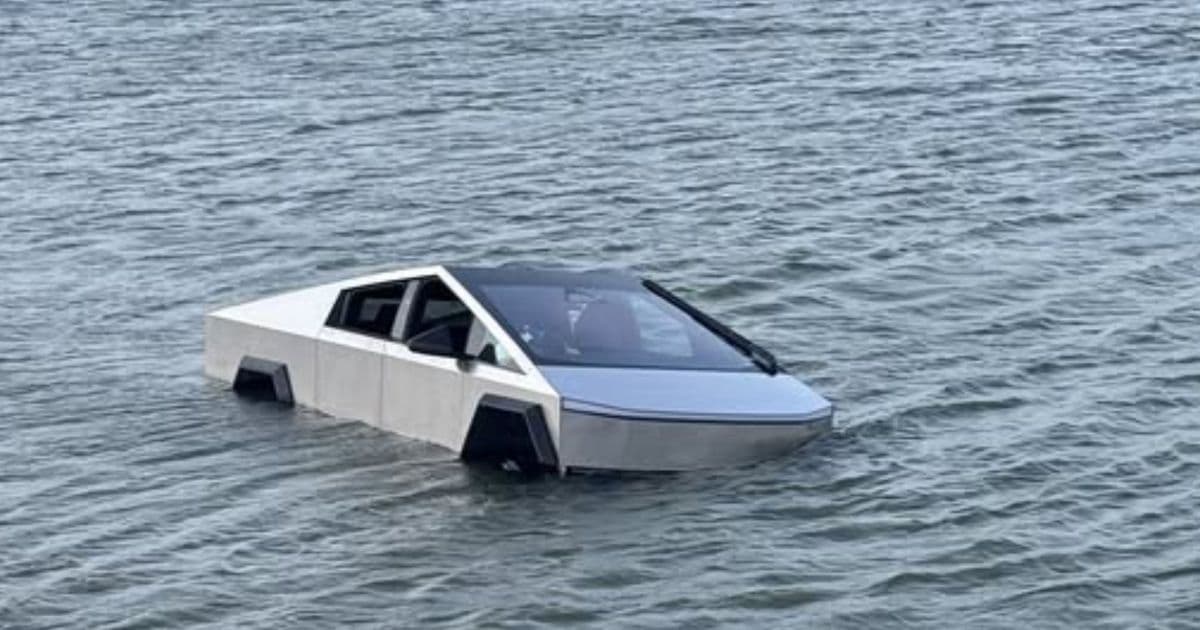
A Tesla Cybertruck was driven into Grapevine Lake in Texas to try out its advertised Wade Mode. The pickup flooded, stalled and had to be pulled out by emergency crews, sparking debate over the practicality of the feature and raising legal questions for the driver.
Cybertruck tested in Grapevine Lake: Wade Mode fails, vehicle recovered
What happened
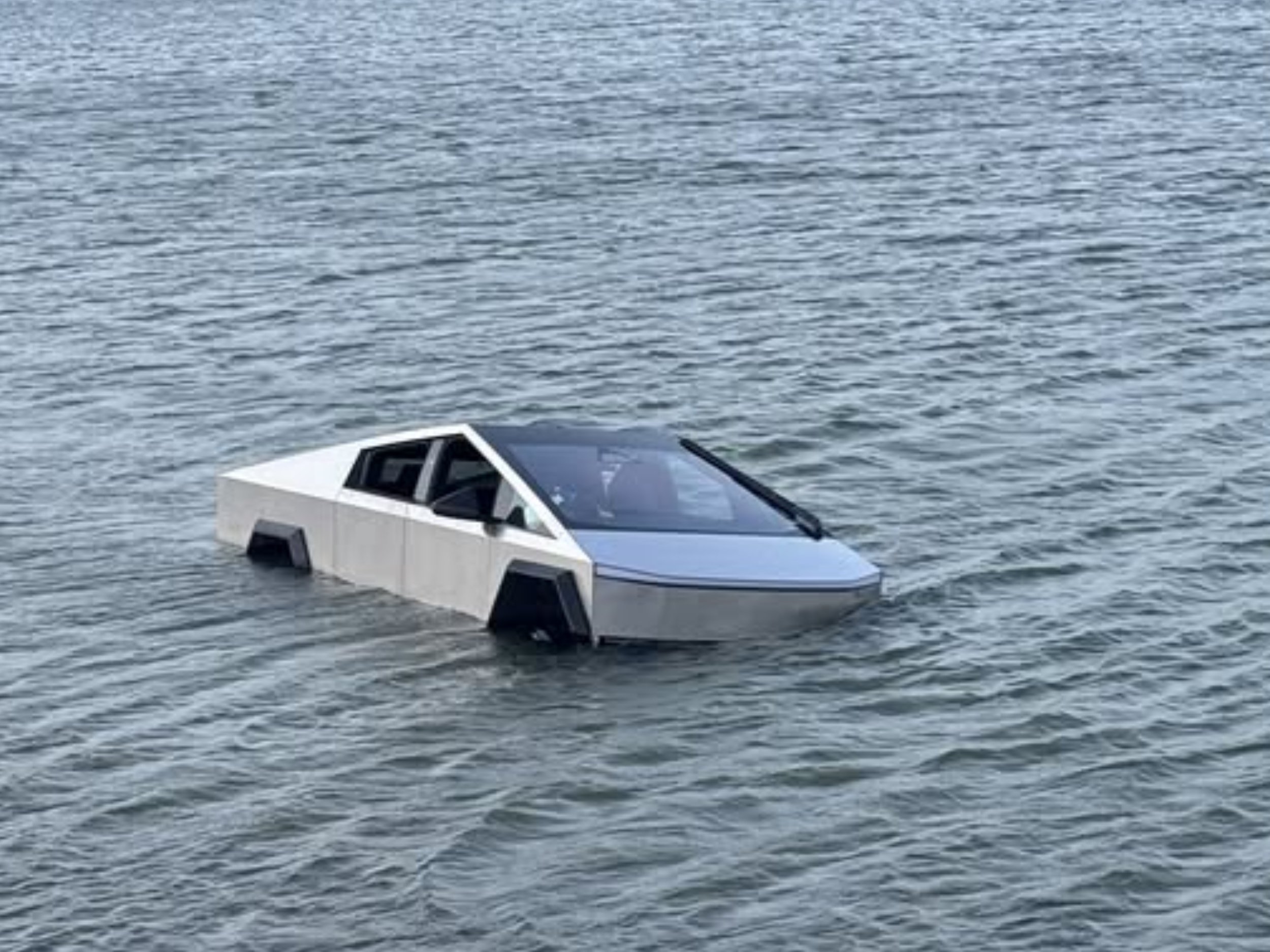
On a sunny afternoon near Grapevine, Texas, a Tesla Cybertruck was deliberately driven into the shallow waters of Grapevle Lake. The driver’s stated goal was to evaluate the truck’s Wade Mode, a function Tesla markets as allowing the vehicle to crawl through water up to roughly 32 inches deep while the air‑suspension lifts the chassis.
According to a Facebook post from the Grapevine Police Department, the driver misjudged the lake’s depth, allowing water to breach the cabin. The electric pickup filled quickly, the power‑train shut down and the vehicle became immobile. Emergency responders retrieved the truck with a winch, and all occupants escaped unharmed. The driver was later arrested for trespassing in a restricted park area and for violating local water‑safety regulations.
How Wade Mode is supposed to work
Tesla’s documentation describes Wade Mode as a combination of three systems:
- Air‑suspension lift – raises the vehicle by about 2 inches, increasing ground clearance.
- Reduced torque output – limits motor torque to prevent wheel spin in low‑traction conditions.
- Water‑ingress protection – seals the battery pack, motor housings and high‑voltage connectors, including the charging port, to keep water out.
The official spec sheet lists a maximum wading depth of approximately 32 inches (81 cm). In practice, the system relies on the driver staying within that limit and avoiding sudden pressure changes that could force water into vulnerable openings.
Why the test went wrong
Several factors likely contributed to the failure:
- Depth miscalculation – Even though the driver stayed near the shoreline, the lake’s bottom slopes sharply. One side of the truck probably exceeded the 32‑inch threshold, submerging the rear axle and creating a pressure differential that forced water into the cabin.
- Charging port exposure – The driver suspects water entered the port, which would short the high‑voltage contact and cut power to the steering motor. Tesla’s own service manuals warn that the port is not fully sealed when the vehicle is in Wade Mode; a splash can still reach the connector if the vehicle is tilted.
- Suspension limits – The air‑suspension can only raise the chassis a few centimeters. If the water level rises faster than the system can react, the underbody will still be submerged, defeating the purpose of the lift.
Without telemetry from the truck, we cannot confirm which of these mechanisms triggered the shutdown, but the symptoms match a loss of steering torque and a sudden cut‑off of the high‑voltage system.
How it compares to competitors
Other EV pickups, such as the Rivian R1T and the Ford F‑150 Lightning, also claim water‑forging abilities, but they approach the problem differently:
| Feature | Tesla Cybertruck | Rivian R1T | Ford F‑150 Lightning |
|---|---|---|---|
| Official wade depth | ~32 in (81 cm) | ~30 in (76 cm) | ~30 in (76 cm) |
| Sealed charging port | No (exposed when open) | Fully sealed, recessed | Fully sealed, recessed |
| Suspension lift in wade mode | Air‑suspension +2 in | Adjustable air‑suspension up to 2 in | Standard suspension, no lift |
| Real‑world testing | Limited public data | Independent tests show successful 30‑in wade | Independent tests show successful 30‑in wade |
Both Rivian and Ford have demonstrated that their trucks can maintain propulsion and steering at the advertised depth without a loss of power. Tesla’s reliance on an open charging port and a relatively modest suspension lift may be the weak points exposed by this incident.
Who should care
- Prospective Cybertruck buyers – The episode highlights that Wade Mode is not a free‑for‑all off‑road capability. Owners should treat the feature as a shallow‑water assist rather than a deep‑river crossing tool.
- EV enthusiasts and reviewers – The incident provides a real‑world data point for evaluating how Tesla’s water‑proofing measures stack up against rivals. It also underscores the need for more transparent technical documentation from Tesla.
- Regulators and safety officials – The driver’s arrest shows that testing vehicle limits in public waterways can have legal consequences. Authorities may consider clearer signage or restrictions around lakes frequented by EV demonstrators.
Bottom line
The Grapevine Lake episode is a cautionary tale rather than proof that Tesla’s Wade Mode is ineffective. The Cybertruck’s hardware does include the necessary components for shallow‑water operation, but the system’s margins are narrow and heavily dependent on driver discipline. Until Tesla releases detailed telemetry or a more robust sealing solution for the charging port, the feature will remain a niche capability best reserved for controlled environments.
For the full police statement, see the Grapevine Police Department’s post on Facebook.
Comments
Please log in or register to join the discussion