
Judoscale's open letter to Heroku expresses confusion over conflicting signals about the platform's future, calling for transparency about whether Heroku is entering maintenance mode or continuing active development.
The developer community is buzzing with confusion and concern following Heroku's recent communications about its future direction. In an open letter that has resonated with many in the tech ecosystem, Judoscale—a longtime Heroku partner and customer—has publicly expressed bewilderment over what appears to be contradictory messaging from the platform.
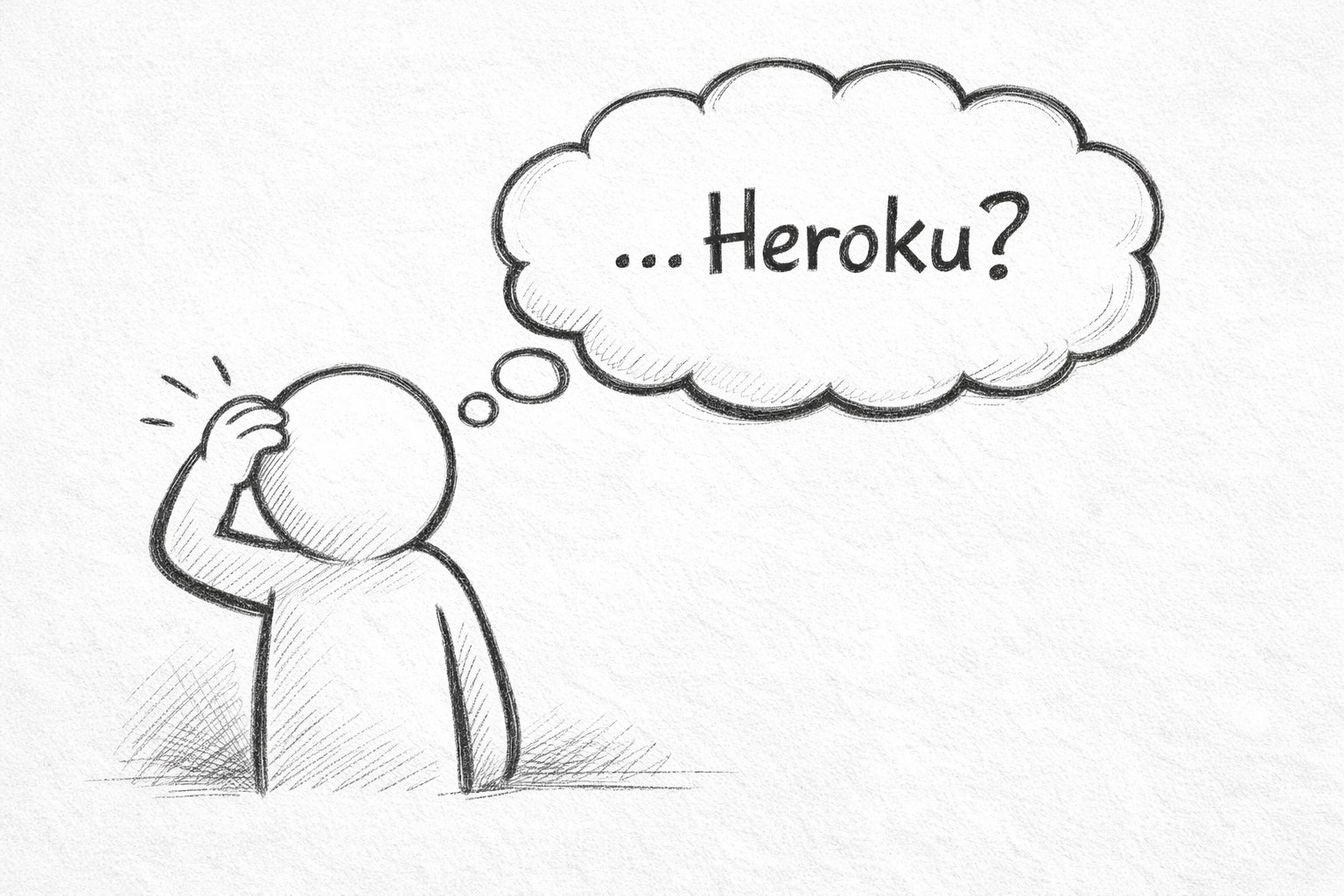
The Confusion Begins
The uncertainty started with Heroku's February 6th announcement that sent ripples through the developer community. The platform declared it was "transitioning to a sustaining engineering model focused on stability, security, reliability, and support" with "an emphasis on maintaining quality and operational excellence rather than introducing new features." To many developers, this sounded suspiciously like corporate-speak for "maintenance mode."
The announcement also revealed that Enterprise Account contracts would no longer be offered to new customers, further fueling speculation about Heroku's long-term viability and strategic direction.
Then Came the Features
Just when developers thought they understood the message, Heroku seemingly contradicted itself. In mid-March, the platform rolled out several updates that felt decidedly un-maintenance-like:
- Increased slug sizes for the first time in recent memory
- Updates to the automatic SSL certificate provisioning pipeline
- A complete rebuild of the entire CLI
These developments left developers scratching their heads. As Judoscale pointedly noted, "Um.. these feel like new features and platform progress, not maintenance mode."
The Corporate Language Problem
One of the core frustrations expressed in the open letter is Heroku's use of corporate terminology that feels disconnected from developer reality. The phrase "sustaining engineering" in particular drew criticism for sounding like something "cooked up in a corporate PR meeting."
This disconnect between corporate messaging and developer expectations is a recurring theme in the tech industry. Developers, who often value transparency and directness, can become particularly frustrated when companies use vague or euphemistic language to describe significant strategic shifts.
What Developers Actually Want
Judoscale's letter outlines three concrete requests that reflect broader developer community sentiments:
1. Direct Communication
"Just Tell Us Straight," the letter urges. If Heroku is indeed moving to maintenance mode, developers would prefer that honesty over corporate euphemisms. The platform has served the community well for years, and many would accept a maintenance phase if it were communicated clearly.
2. Open Roadmap
Developers want visibility into Heroku's actual plans. Questions linger about potential features like Fir shipping to the common runtime, Postgres updates, and cost optimizations. Even if the roadmap shows minimal changes, transparency would help teams plan accordingly.
3. Business Intent Clarification
The letter suggests Heroku is likely pursuing one of two paths:
- Focusing on direct-billing customers with a smaller team and budget
- Exiting major investment in the platform while maintaining operations for the foreseeable future
Clarity on this strategic direction would help developers make informed decisions about their hosting choices.
The Real-World Impact
The confusion isn't just academic. According to Judoscale's founder Adam, conversations at recent developer conferences reveal that "Every single one of them are making plans to migrate due to these recent communications."
This exodus threat is perhaps the most concerning aspect of the situation. When developers lose confidence in a platform's future, they begin planning migrations—a process that can be time-consuming and costly. Once that migration planning begins, it often leads to actual migration, regardless of how good the current platform might be.
A Platform at a Crossroads
Heroku occupies a unique place in developer history. For many, it was their first introduction to cloud deployment, offering a simplicity and elegance that made web development accessible. The platform helped launch countless startups and projects over the years.
That legacy makes the current uncertainty particularly poignant. Developers aren't just worried about losing a service; they're concerned about losing a piece of their development journey and a platform that made their lives easier.
The Broader Context
Heroku's situation reflects broader challenges in the platform-as-a-service market. As infrastructure options have proliferated—from traditional cloud providers offering increasingly sophisticated PaaS offerings to newer platforms like Vercel and Netlify specializing in specific use cases—general-purpose platforms face pressure to differentiate and justify their value proposition.
Salesforce's acquisition of Heroku in 2010 for $212 million was initially seen as a positive move that would provide resources and stability. However, the relationship between Salesforce's enterprise focus and Heroku's developer-centric approach has sometimes seemed uneasy, with Heroku operating somewhat independently within the larger organization.
What Happens Next?
The ball is now in Heroku's court. The developer community has spoken clearly: they want transparency, honesty, and a sense of where the platform is headed. Whether Heroku chooses to provide that clarity or continues with its current communication approach will likely determine whether it retains its loyal user base or watches them migrate to alternatives.
For a platform that once symbolized the democratization of deployment, the current moment represents a critical test of whether it can maintain that community trust through clear communication about its future. The developers waiting for answers aren't being unreasonable—they're simply asking for the same clarity and directness that Heroku's platform once provided for their code.
The question remains: will Heroku respond to this developer plea, or will the confusion continue to drive users toward clearer alternatives?
Comments
Please log in or register to join the discussion