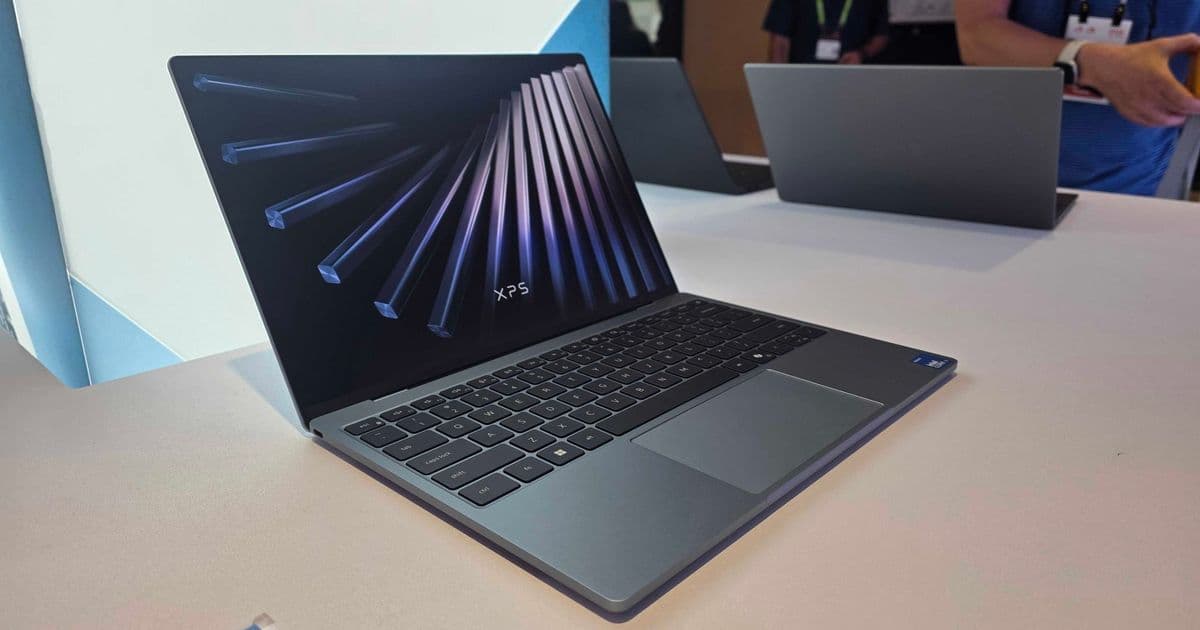
Dell puts an aluminum XPS shell, Intel Wildcat Lake silicon, 8GB of memory, and a 2.5K touch screen into a $699 Windows laptop aimed at entry buyers.
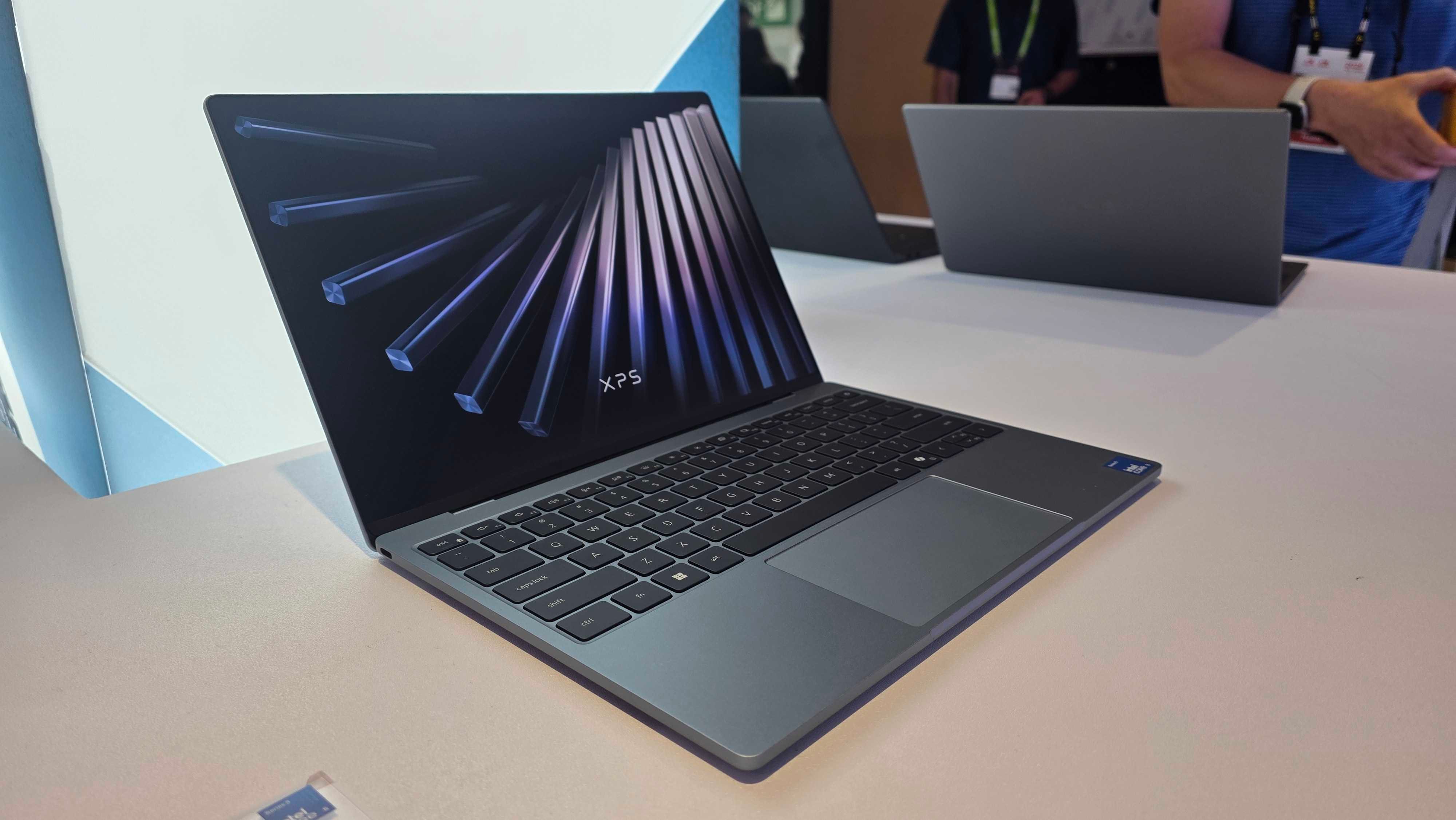
Dell has begun selling its new XPS 13 for $699, with a $599 student price, as the company answers Apple’s MacBook Neo with a lower-cost Windows laptop in a premium chassis.
Dell gives the base model an Intel Core 5 320 processor, 8GB of LPDDR5X-7467 memory, and a 512GB NVMe SSD. The company also uses a 13.4-inch 2560 x 1600 touch display with a 120Hz refresh rate and 500 nits of brightness.
Intel’s Core 5 320 uses six CPU cores: two Cougar Cove performance cores and four Darkmont low-power efficiency cores. Intel rates the chip at 15 watts base power and 35 watts turbo power. Buyers also get Intel Graphics with two Xe3 cores.
Those numbers define the laptop’s role. Dell built this XPS 13 for web work, Office apps, video calls, media playback, and light school workloads. Buyers who edit video, compile code, or run large data sets should wait for higher-end XPS 13 models with Panther Lake chips.
Wildcat Lake still gives Dell a modern platform. Intel builds the range on its 18A process and shares architecture with Panther Lake, though Intel cuts the chip back for lower-cost systems. Dell adds Wi-Fi 7 and two USB-C 3.2 Gen 2 ports, while the Panther Lake versions will add Thunderbolt 4.
Memory marks the clearest compromise. Wildcat Lake uses single-channel memory, so even the $899 XPS 13 configuration with 16GB of RAM will trail dual-channel systems in memory bandwidth. Dell plans Panther Lake models with dual-channel memory, 16GB to 32GB of RAM, and a Core Ultra 7 355 option.
Dell gives the entry model a stronger screen and chassis than buyers often get near $700. The aluminum laptop weighs 2.2 pounds and measures 0.5 inches thick. The 52-watt-hour battery, 2.5K touch panel, and 512GB SSD make the base configuration more complete than many budget Windows laptops.
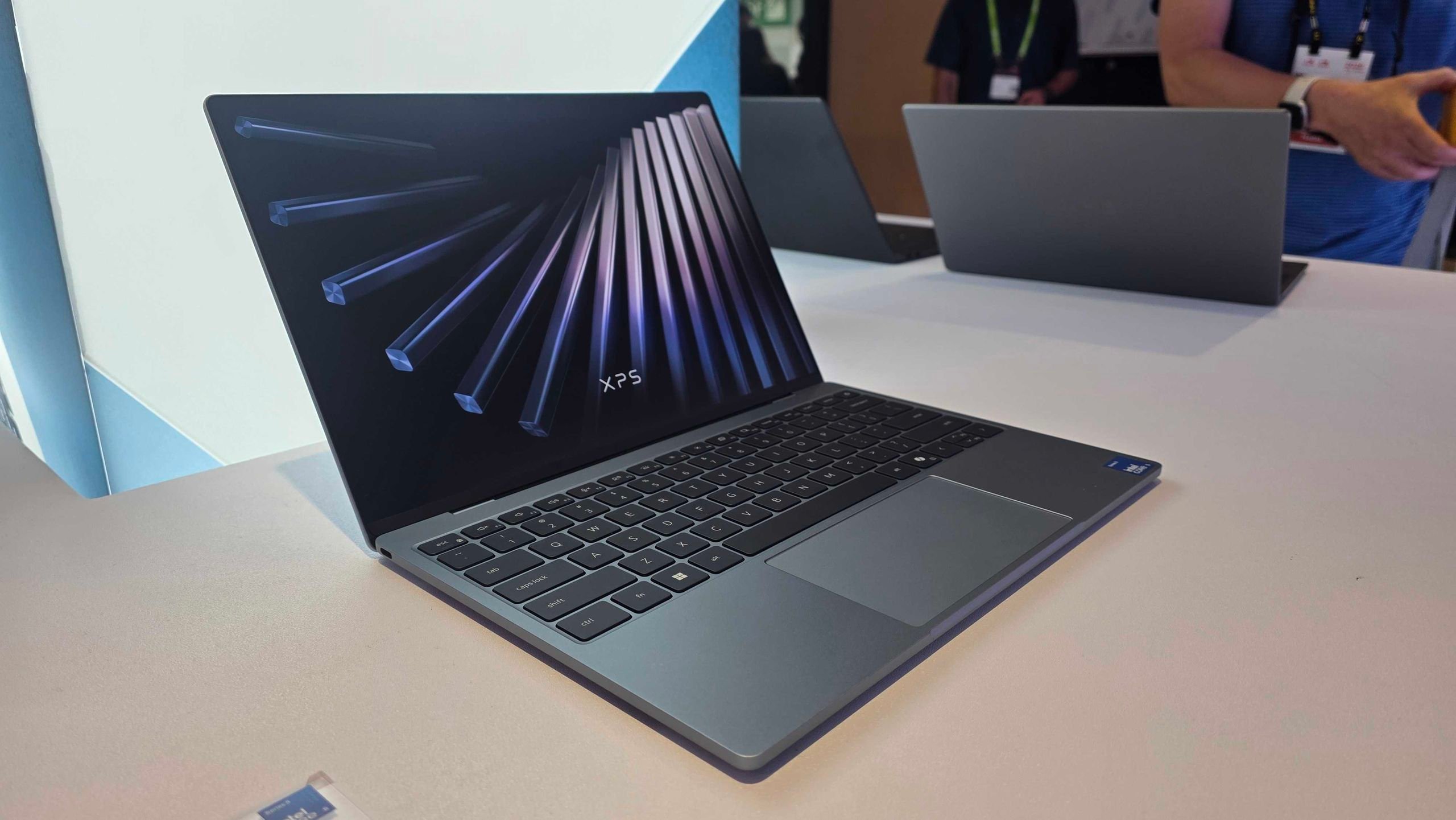
The timing reflects pressure from component costs. DRAM and NAND prices have made sub-$700 premium designs harder for PC makers to balance. Dell protects the XPS feel by limiting compute, memory bandwidth, and port selection instead of cutting the display, storage, or chassis.
Apple’s MacBook Neo forces the same trade-off from the other side of the market. Apple wants first-time Mac buyers, students, and households that want a lower entry price. Dell wants those buyers to see XPS as attainable before they move to higher-priced systems.
Dell also uses the XPS 13 to keep Windows buyers from trading down into bulkier plastic laptops. A student who wants a thin 13-inch machine can get a sharper touch screen, Wi-Fi 7, and an aluminum body without moving into four-figure pricing.
The launch lineup remains narrow. Dell sells the 8GB and 16GB versions first, both with 512GB of storage. The company says it will add 256GB and 1TB storage options, along with Panther Lake configurations that raise performance and port capability.
For PC makers, the new XPS 13 shows how Intel’s lower-power client chips can support a premium-feeling entry tier. Intel gets more 18A silicon into consumer systems, Dell lowers the XPS price floor, and buyers get a laptop that favors screen and build quality over raw speed.
Comments
Please log in or register to join the discussion