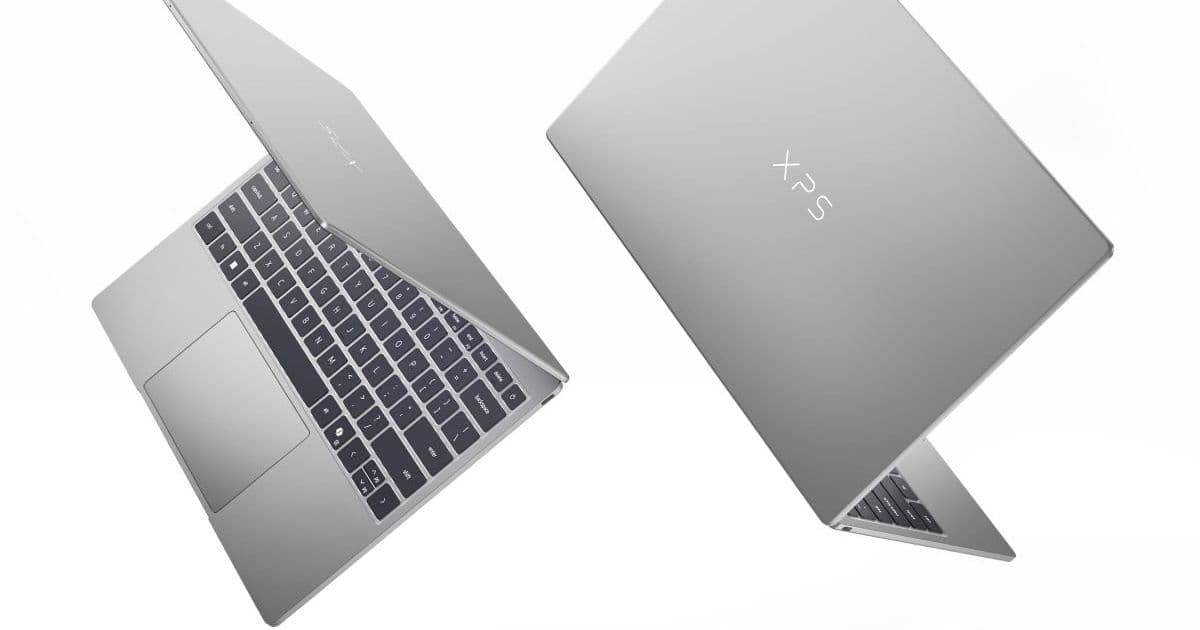
Dell’s new XPS 13 brings a premium 13.4-inch Windows laptop down to $700, but the first configuration ships with modest Wildcat Lake silicon and leaves Panther Lake upgrades for a later release.
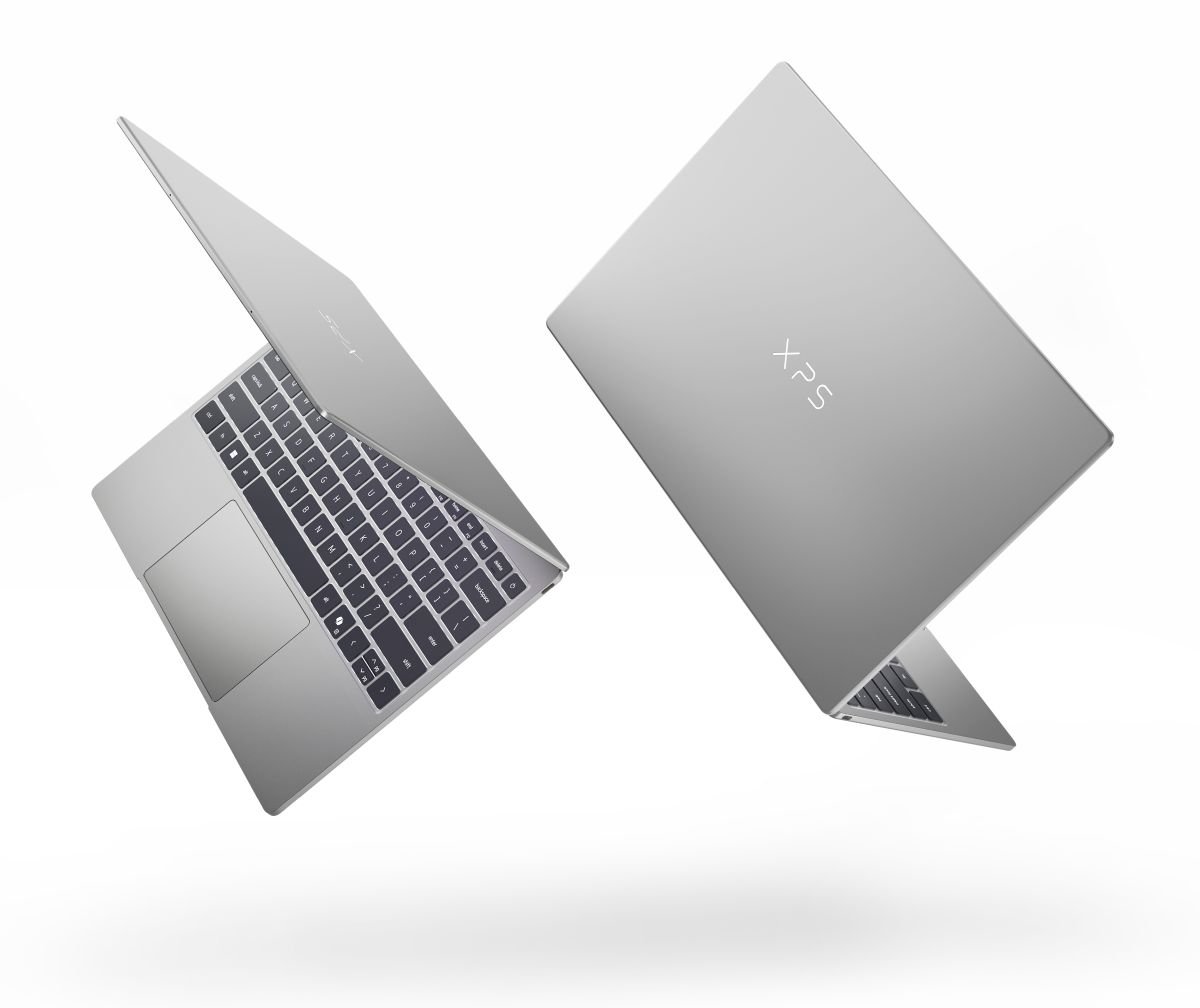
Dell has started selling its new XPS 13 at $700, giving Windows buyers a thin 13.4-inch laptop with an aluminum body, high-resolution touch display and Wi-Fi 7 at a price that pushes into mainstream territory.
The first model uses Intel’s Core 5 320, a Wildcat Lake chip with six CPU cores: two Performance cores and four Low-Power Efficiency cores. Dell lets buyers add memory, but the current version tops out below the Panther Lake configurations Dell plans to ship later this year.
That split matters for developers and mobile teams who want one compact machine for Android Studio, Xcode-adjacent cloud workflows, emulators, browser testing and light local builds. The launch model covers everyday coding and web work. Heavier multitasking, local AI work and emulator-heavy Android testing will suit the Panther Lake model better.
Dell gives the $700 model a 13.4-inch, 2560 x 1600 IPS LCD touchscreen with a 30-120 Hz refresh rate. The system also includes quad speakers, a backlit keyboard, a glass-covered touchpad and a 52 Wh battery. Dell lists Wi-Fi 7 and Bluetooth 6.0 support, plus a 2MP infrared webcam for face sign-in.
The base configuration includes a 512GB PCIe NVMe SSD and 8GB of LPDDR5x-7467 memory. Buyers can move to 16GB, though Wildcat Lake limits the machine to single-channel memory. That ceiling matters for integrated graphics, emulator performance and large browser sessions because the CPU and GPU share memory bandwidth.
Dell also keeps the port layout spare. The machine has two USB Type-C ports, and both handle charging and video output. They use USB 3.2 Gen 2 at 10 Gbps rather than Thunderbolt. Developers who rely on fast external storage, docks, capture hardware or multi-display desk setups should factor that into the cost of a hub and the limits of the current I/O.
The laptop measures 297 x 201 x 13 mm and weighs 1 kg. That gives the XPS 13 a strong travel profile for developers who split time between a desk, a lab bench and client sites. The trade-off comes from the first chip option. Intel’s Core 5 320 should deliver respectable single-core performance, but its small core count, weaker graphics and weaker neural processing unit will constrain Android emulators, local containers and background build tools under sustained load.
Dell plans to add configurations with up to an Intel Core 7 355 Panther Lake chip, 32GB of RAM, 1TB of storage and Thunderbolt 4 ports later this year. Those versions should suit developers who need more headroom for Android Studio, Docker, WSL, browser farms and AI-assisted coding tools that run local components.
For cross-platform teams, the XPS 13 lands in a familiar place. Windows developers can target Android, web and cloud workloads from the same machine, and teams can pair it with remote Mac build hosts for iOS release work. The current $700 version makes sense as a portable review, writing, web and light development machine. Teams that run emulators, multiple IDEs or large monorepos should wait for the Panther Lake model or price the 16GB version with care.
Dell has not turned this launch into a full high-end XPS refresh. The company started with the lowest-cost configuration, then held back the faster silicon, larger memory ceiling and Thunderbolt ports. Buyers get the new chassis and screen at a lower entry price, while Dell reserves the developer-friendly version for the next wave.
Comments
Please log in or register to join the discussion