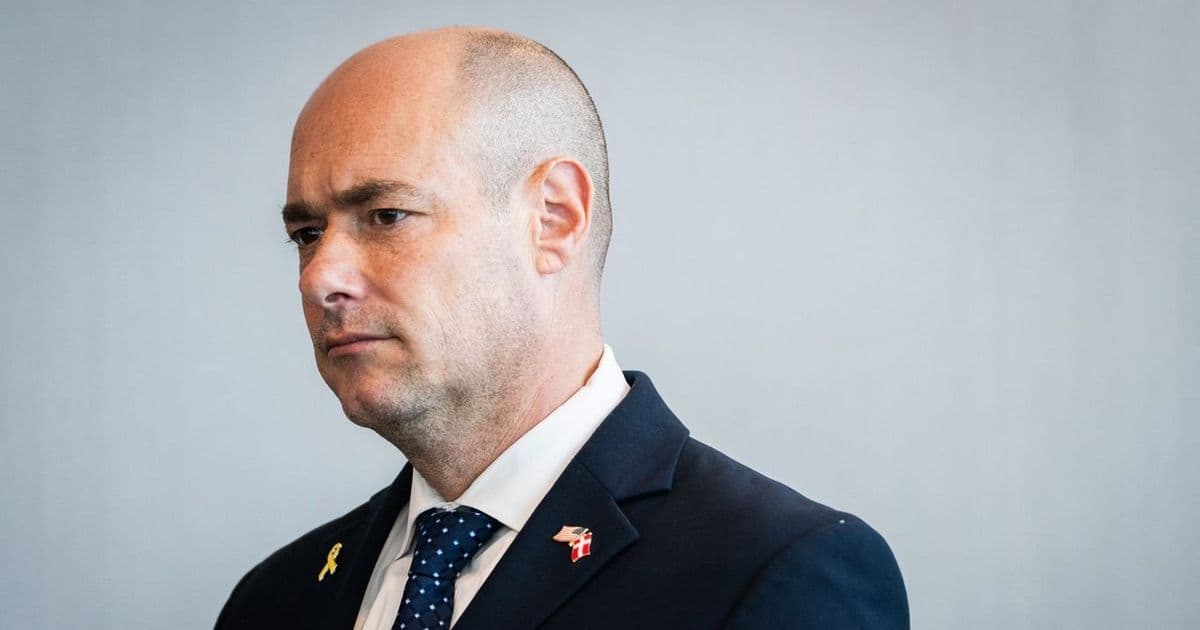
Progressive lawmakers who supported the Iran War Powers Resolution now face potential primary challenges from their left flank, highlighting tensions within the Democratic Party over foreign policy.
Progressive Democrats who voted in favor of the Iran War Powers Resolution are now confronting the possibility of primary challenges from their left, according to sources familiar with the situation. The vote, which sought to limit President Trump's ability to take military action against Iran without congressional approval, has created unexpected political friction within the Democratic Party.
The resolution passed the House in a mostly party-line vote, with all but eight Democrats supporting it. However, the narrow margin and the political dynamics surrounding the vote have left some members vulnerable to challenges from more progressive opponents who view the resolution as insufficient.
Rep. Greg Landsman, D-Ohio, was among those who supported the measure. Landsman, who represents a competitive district in Cincinnati, has emerged as a key figure in the debate over congressional oversight of military action. His vote has drawn scrutiny from progressive activists who argue that Democrats should be taking a stronger stance against potential military escalation with Iran.
Sources indicate that several progressive organizations are already conducting preliminary research on potential primary challengers to vulnerable Democrats who voted for the resolution. These groups argue that the vote represents a missed opportunity to assert stronger congressional authority over foreign policy decisions.
The political calculus is complicated by the fact that many of the Democrats facing potential challenges represent swing districts where foreign policy votes can be politically risky. Some party strategists worry that primary battles could weaken incumbents heading into the 2026 midterms, particularly in districts where Republicans are already targeting Democratic seats.
This internal Democratic tension mirrors broader debates within the party about the balance between progressive priorities and electoral pragmatism. While the party's base has grown more assertive in demanding strong positions on issues like military intervention and corporate influence, many elected Democrats remain focused on maintaining their majority in narrowly divided chambers.
The Iran vote has become a flashpoint in these ongoing discussions about the party's direction and priorities. Progressive critics argue that Democrats missed an opportunity to take a stronger stand against what they see as reckless foreign policy decisions, while more moderate members contend that the resolution represented the best achievable outcome given political constraints.
Political observers note that this dynamic is not unique to the Iran vote. Similar tensions have emerged over other foreign policy issues, including military aid to Ukraine and Israel, as well as domestic policy matters like healthcare and climate change. The challenge for Democratic leadership is managing these internal divisions while presenting a unified front against Republican initiatives.
For now, the threat of primary challenges remains in the preliminary stages, with no formal announcements of candidacies. However, the mere possibility has created a climate of uncertainty for Democrats who supported the resolution, particularly those in districts with active progressive movements.
The situation underscores the ongoing evolution of the Democratic Party as it grapples with questions of ideology, strategy, and electoral viability. As the 2026 election cycle approaches, these internal debates are likely to intensify, potentially reshaping the party's approach to both foreign and domestic policy issues.
Comments
Please log in or register to join the discussion