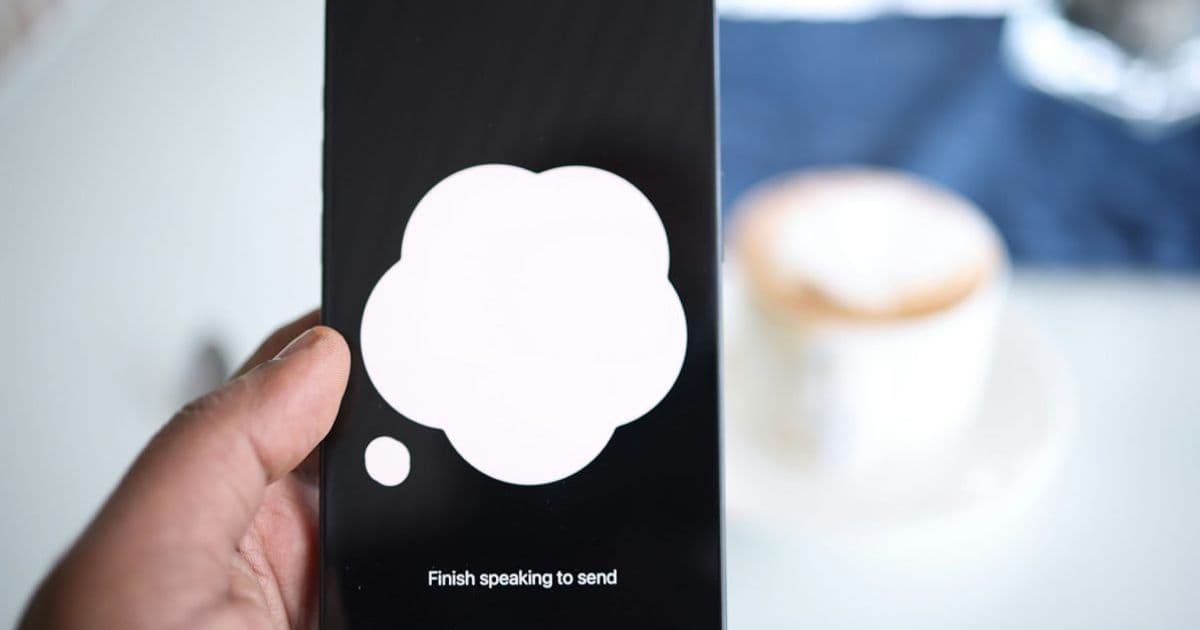
Apple's reported plan to add a Gemini-powered chatbot to Siri in iOS 27 represents a pragmatic two-stage strategy to fix the assistant's core weaknesses, balancing agentic AI capabilities with the conversational context that modern users expect.
A report yesterday indicated that Apple will introduce a Siri chatbot as part of iOS 27, despite the company previously dismissing this idea. If accurate, this represents a significant strategic shift for a feature that has long been criticized for its limitations. The move suggests Apple is adopting a two-stage approach to finally give Siri the intelligence it has lacked for over a decade.

From Science Fiction to Embarrassment
When Apple first launched Siri in 2011 with the iPhone 4S, it felt like a genuine leap toward science fiction. The feature was compelling enough to drive upgrades, and in those early days, it worked impressively well. Fast forward to 2026, however, and Siri has become an embarrassment for Apple for reasons that have been extensively documented. The assistant struggles with basic tasks, lacks contextual awareness, and falls far behind competitors like Google Assistant and Amazon Alexa.
The core problem isn't just that Siri is "dumb"—it's that it's fundamentally broken at maintaining conversation flow. Ask Siri one question, then immediately follow up with a related query, and it often acts as if the previous conversation never happened. This failure in context retention is perhaps Siri's most frustrating limitation.
Stage 1: A Gemini-Powered Siri
For years, Apple promised a smarter Siri powered by its own Apple Intelligence models. That initiative did not go well. Last week, however, the company confirmed reports that the new Siri will instead be powered by Google's Gemini models. This represents a major departure from Apple's typical strategy of keeping everything in-house.
Google's Gemini has emerged as a strong competitor to OpenAI's ChatGPT, with many considering it equal or superior in several respects. The beta launch of Google's Gemini-powered Personal Intelligence feature provides a preview of what we can expect from the new Siri. The core benefit is the model's ability to synthesize information from multiple sources, including personalized data from Apple apps and services.
For Siri to function as an intelligent agent capable of completing complex tasks, this represents a truly revolutionary improvement. Instead of simple command-response interactions, Siri could understand nuanced requests and orchestrate actions across multiple apps and services.
Stage 2: The Chatbot Layer
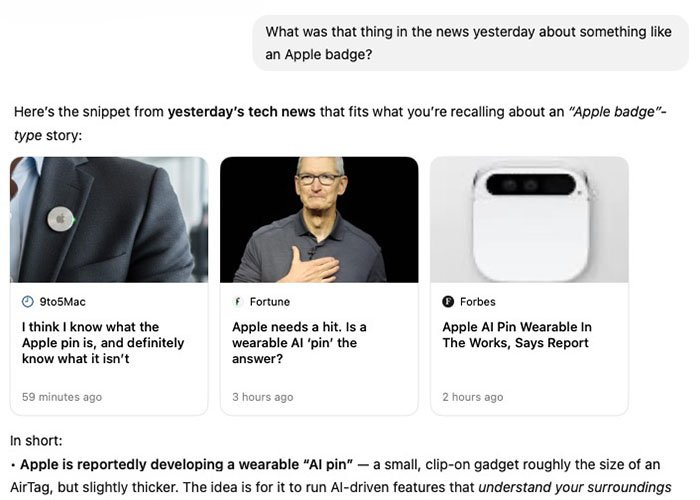
Apple initially expressed skepticism about chatbots as a user interface for onboard intelligent assistants. The company's focus appeared to be on agentic AI capabilities—where users tell Siri what they want to achieve, and the assistant uses onboard apps to complete the task.
Consider this example: You might ask Siri to book a table at a Thai restaurant you visited months ago. The assistant could retrieve the restaurant's name from text message confirmations, Apple Maps history, or photos from that visit. It could then use a reservation app to book a table and notify you when confirmation arrives.
This agentic approach represents the most useful development in AI, but it doesn't eliminate the role for chatbots. The conversational layer addresses Siri's critical weakness: context.
The Context Problem
Siri's inability to maintain conversation context is glaring. Here's a typical interaction:
Q: Hey Siri, who played Batman in the most recent movie? A: In May 2019, Robert Pattinson was cast as Bruce Wayne/Batman
Q: What about Robin? A: I don't know who Robyn is
This is where chatbots excel. Modern chatbots maintain conversational flow, reference previous topics, and understand implied context. They get progressively better at this over time, learning from each interaction.
The Chatbot's Role
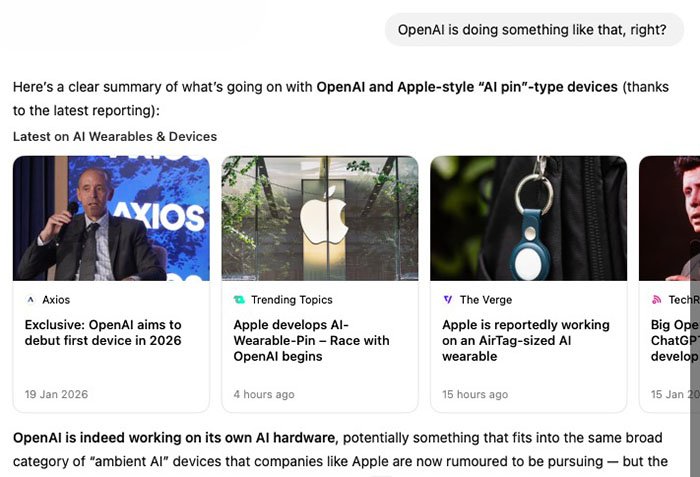
Chatbots aren't perfect—they provide incorrect answers, outdated information, and sometimes hallucinate wildly. But their ability to maintain conversational context is invaluable. When you ask a chatbot a follow-up question, it understands what "that" refers to. It can reference topics discussed days or weeks earlier.
For example, consider this series of questions posed to ChatGPT using vague, non-technical language typical of average users:
User: Who played Batman in the latest movie? ChatGPT: Robert Pattinson played Batman in The Batman (2022).
User: What about his sidekick? ChatGPT: Robert Pattinson's Batman didn't have a traditional sidekick in that film. The movie focused on his early days as Batman, so Robin wasn't introduced.
User: Was there anyone else helping him? ChatGPT: Yes, he worked with Lieutenant Gordon and had a relationship with Selina Kyle (Catwoman).
This conversational flow is something Siri can only dream of at present. Even more impressive, modern chatbots can reference topics from previous conversations that occurred days or weeks earlier, creating a sense of continuity that makes interactions feel natural.
A Pragmatic Two-Stage Strategy
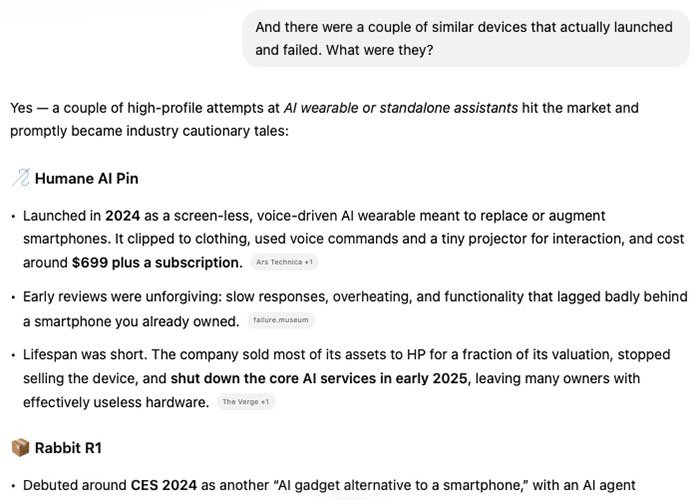
Apple's reported approach makes sense from a development perspective. The first stage—powering Siri with Gemini—addresses the intelligence gap. The assistant will finally be capable of understanding complex requests and synthesizing information from multiple sources.
The second stage—adding a chatbot interface—addresses the usability gap. It provides a conversational layer that maintains context and allows for natural follow-up questions. This doesn't replace agentic capabilities but supplements them, giving users multiple ways to interact with Siri.
For developers, this shift has significant implications. The new Siri will likely require updated App Intents and SiriKit implementations to work with Gemini's capabilities. Apps that currently integrate with Siri will need to ensure they can provide the contextual data that Gemini-powered Siri requires.
Cross-platform considerations also come into play. While this is an iOS-specific feature, the underlying Gemini technology is platform-agnostic. This could create interesting opportunities for developers working on both iOS and Android, as they might encounter similar AI capabilities across platforms.
The Trade-offs
We should expect plenty of glitches from the new Siri. Gemini, like all large language models, has limitations. It can provide incorrect information, struggle with real-time data, and occasionally generate nonsensical responses. The transition won't be seamless.
However, none of this changes the fact that conversational flows are an extremely useful capability. The combination of agentic AI (for task completion) and chatbot interfaces (for conversation) represents a more complete solution than either approach alone.
For users, this means Siri might finally become useful again. For developers, it means preparing for a more intelligent, context-aware assistant that can integrate more deeply with apps and services. For Apple, it represents a pragmatic acknowledgment that sometimes the best solution involves partnering with competitors rather than insisting on complete vertical integration.
The reported iOS 27 timeline suggests this is still in development, but the direction seems clear. Apple is finally addressing Siri's fundamental weaknesses with a strategy that balances capability with usability. After more than a decade of disappointment, this might be the update that makes Siri relevant again.

Comments
Please log in or register to join the discussion