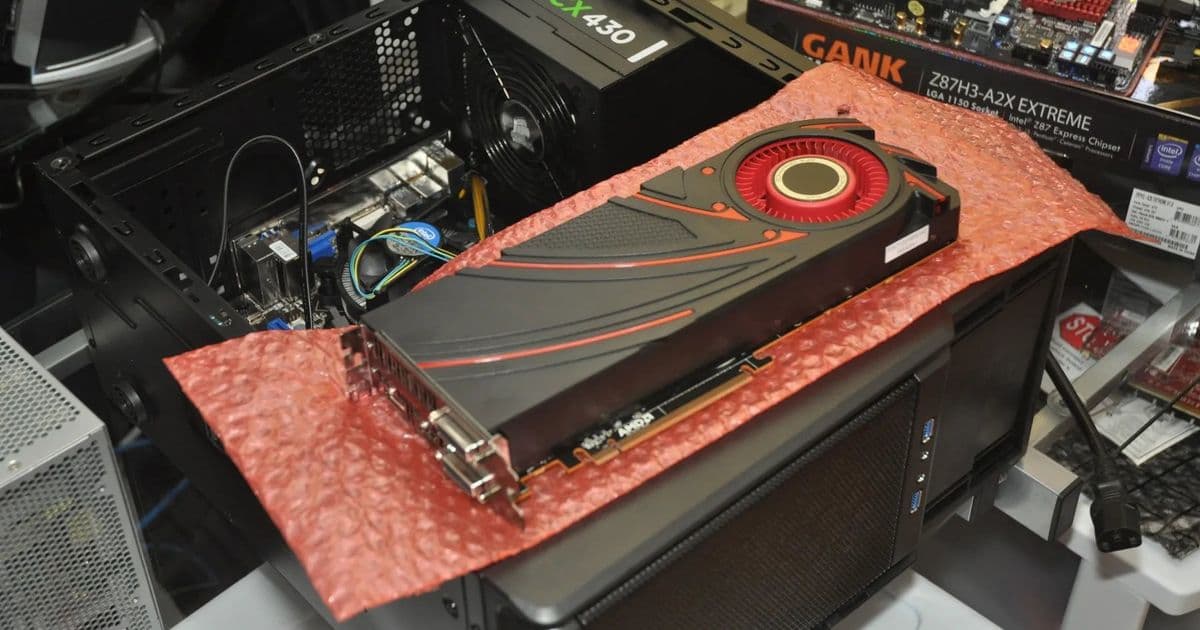
The DragonFlyBSD project has updated its AMDGPU kernel graphics driver to optionally support AMD's GCN 1.1 architecture, including popular GPUs like the Radeon R9 290 series. However, the port remains based on Linux 4.20.17, leaving it significantly behind modern Linux kernel graphics support.
DragonFlyBSD's AMDGPU kernel graphics driver, a port of the AMDGPU Linux kernel driver, has received a significant update enabling optional support for AMD's GCN 1.1 "Sea Islands" (CIK) graphics processors. This marks the first time GCN 1.1 support has been available in the DragonFlyBSD AMDGPU driver, bringing it closer to the modern graphics driver landscape on this alternative BSD operating system.
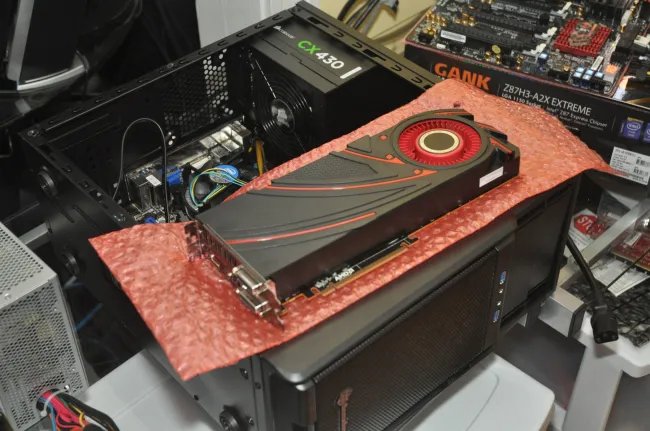
The update allows users with GCN 1.1 GPUs to utilize the AMDGPU driver instead of the older Radeon kernel driver. Supported GPUs include the Hawaii architecture (Radeon R9 290 series), Kabini, Kaveri, Bonaire, and other chips from AMD's 2013-2014 product lineup. These GPUs were previously limited to the legacy Radeon driver on DragonFlyBSD, which lacks modern features and optimizations.
Implementation and Configuration
To enable GCN 1.1 support, DragonFlyBSD users must manually configure their system by adding the drm.amdgpu.cik_support=1 option to the /boot/loader.conf file. This optional approach mirrors the historical situation on Linux, where GCN 1.0 and 1.1 support was initially optional before becoming the default in Linux 6.19.
The DragonFlyBSD AMDGPU driver remains based on Linux 4.20.17 kernel sources, which is now over six years old. This creates a substantial gap between DragonFlyBSD's graphics capabilities and those available on modern Linux distributions. The Linux kernel's AMDGPU driver has received continuous updates since 2019, including performance optimizations, bug fixes, and support for newer AMD GPUs.
Technical Context and Limitations
The GCN 1.1 architecture represents AMD's second-generation Graphics Core Next design, introduced in 2013. These GPUs feature improved compute performance, better power efficiency, and enhanced memory bandwidth compared to the first generation. Popular consumer cards based on this architecture include the Radeon R9 290 and R9 290X, which remain capable gaming and compute hardware.
However, the outdated Linux 4.20.17 base means DragonFlyBSD users will miss out on several years of AMDGPU driver improvements:
- Performance optimizations: Linux kernels 5.x through 6.x have included numerous performance tweaks for GCN GPUs
- Bug fixes: Memory management, display handling, and stability issues have been resolved
- Feature additions: Modern Vulkan extensions, improved power management, and better multi-GPU support
- Security updates: Critical vulnerabilities have been patched in newer kernel versions
The DragonFlyBSD commit enabling this support acknowledges the current limitations while providing a path forward for users with compatible hardware. The project's AMDGPU driver development continues to be a porting effort rather than a full fork, meaning it tracks upstream Linux changes but with significant delays.
Build Recommendations and Use Cases
For DragonFlyBSD users with GCN 1.1 hardware, this update provides an opportunity to test the AMDGPU driver's capabilities. However, several considerations should guide deployment decisions:
Testing Environment: Given the driver's experimental status and outdated base, consider testing in a non-critical system first. The optional nature of the support suggests it hasn't received extensive validation on DragonFlyBSD.
Performance Expectations: While the AMDGPU driver generally offers better performance than the legacy Radeon driver for GCN 1.1 GPUs, the outdated kernel base may limit performance gains. Users should benchmark both drivers to determine which works better for their specific workload.
Compatibility Considerations: The Linux 4.20.17 base means modern display managers, Wayland compositors, and user-space graphics libraries may have compatibility issues. Users should verify their entire graphics stack works correctly before committing to the AMDGPU driver.
Power Management: GCN 1.1 GPUs can consume significant power under load. The older AMDGPU driver may lack modern power management features, potentially leading to higher idle power consumption or suboptimal performance-per-watt ratios.
Future Development Path
The DragonFlyBSD project's AMDGPU driver development follows a conservative approach, prioritizing stability over cutting-edge features. This philosophy aligns with DragonFlyBSD's overall focus on server and workstation use cases rather than gaming or bleeding-edge desktop graphics.
For the AMDGPU driver to reach parity with Linux, DragonFlyBSD would need to:
- Update the driver base from Linux 4.20.17 to a modern kernel version
- Integrate years of AMDGPU driver improvements
- Test and validate the updated driver on DragonFlyBSD's unique kernel architecture
- Potentially enable GCN 1.0 and 1.1 support by default once stability is proven
The project's commit message indicates hope that DragonFlyBSD can eventually "catch-up closer to the latest upstream Linux AMDGPU driver state." This suggests the development team recognizes the current limitations and has a roadmap for improvement, though no timeline has been provided.
Practical Impact for Users
For homelab builders and server administrators using DragonFlyBSD with AMD GCN 1.1 hardware, this update provides a modern alternative to the legacy Radeon driver. However, the outdated kernel base means users should temper expectations regarding performance and feature completeness.
The optional nature of the support allows users to experiment with the AMDGPU driver while maintaining the stability of the Radeon driver for production systems. This incremental approach is characteristic of DragonFlyBSD's development philosophy, which emphasizes reliability over rapid feature adoption.
Users interested in the technical details can review the DragonFlyBSD commit for implementation specifics. The AMDGPU Linux driver documentation provides additional context about the driver's capabilities and configuration options.
Broader Context in BSD Graphics
This update represents another step in the ongoing effort to bring modern graphics support to BSD operating systems. While Linux maintains a significant lead in graphics driver development, projects like DragonFlyBSD, FreeBSD, and OpenBSD continue to port and adapt drivers for their kernels.
The GCN 1.1 support update highlights both the progress and challenges in BSD graphics development. On one hand, it demonstrates that BSD projects can adapt modern Linux graphics drivers. On the other hand, it reveals the substantial maintenance burden required to keep these ports current with upstream Linux development.
For users considering BSD for graphics workloads, this update makes DragonFlyBSD a more viable option for systems with GCN 1.1 hardware. However, the driver's outdated base and experimental status mean Linux remains the recommended choice for users requiring the latest graphics features and performance.
The DragonFlyBSD project continues to accept contributions and testing for the AMDGPU driver. Users with GCN 1.1 hardware who are willing to test and provide feedback can help accelerate development and potentially enable default support in future releases.
Comments
Please log in or register to join the discussion