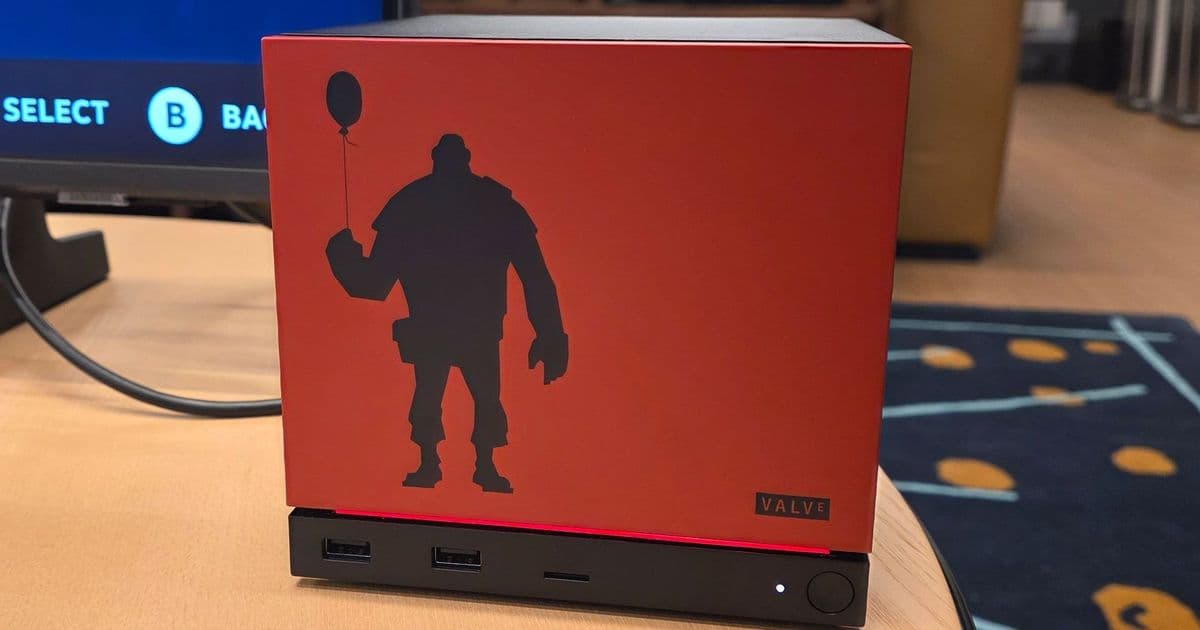
Valve pushes Steam Machine launch to 'this year' amid worsening memory and storage chip crisis, with prices rising 500% as AI data centers consume global supply.
Valve has once again delayed the release of its highly anticipated Steam Machine, pushing the launch date from "early 2026" to "first half of 2026" and now simply to "this year" as the company grapples with a deepening global memory and storage chip shortage driven by AI infrastructure buildout.

According to Valve's Steam Year In Review 2025, the company will ship all three Steam Machine products "this year," though no specific timeline has been provided. This marks the second delay for the console PC, which was originally announced in late 2025 with an initial Q1 2026 target.
AI Data Centers Consuming Global Memory Supply
The semiconductor industry is experiencing unprecedented strain as AI data centers continue their massive buildout. Memory makers are projected to earn $551 billion from the AI boom, with DRAM and NAND flash prices skyrocketing. RAM prices have jumped by 500% in recent months, while some SSDs have nearly tripled in cost.
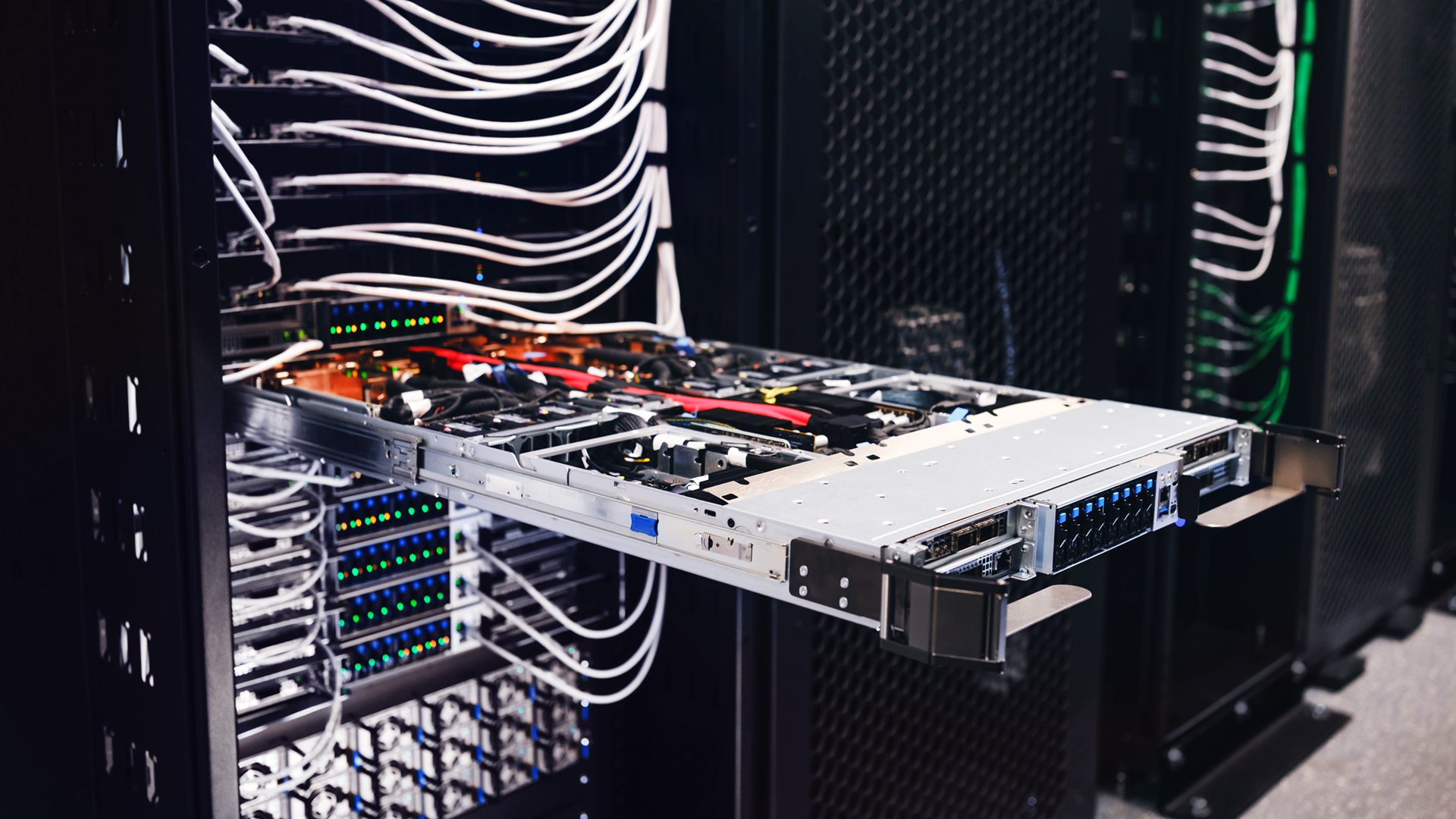
This shortage has created a perfect storm for consumer electronics manufacturers. Samsung and SK hynix have shortened memory contracts as pricing power shifts back to suppliers, forcing companies to reconsider their product strategies and pricing models.
Automotive Industry Also Impacted
The crisis extends beyond gaming hardware. The automotive industry is facing severe chip scarcity amid the worsening Nexperia and DRAM crisis, with production lines being halted due to memory component shortages. Some analysts predict the entry-level PC market could disappear entirely by 2028 as component costs become prohibitive.
Valve's Pricing Strategy Under Pressure
Unlike Sony and Microsoft, which subsidize console costs and make up the difference through game sales, Valve has stated it won't follow this model. The Steam Machine is essentially a mini-PC that buyers can modify themselves, making traditional console pricing strategies impractical.
Estimates suggest the 1TB version could exceed $1,000, particularly as memory and storage chip prices continue their upward trajectory. This positions the Steam Machine at a significant premium compared to competing consoles like the PlayStation 5 and Xbox Series X|S.
Technical Progress Despite Supply Chain Issues
Valve has made progress on the technical front, overcoming challenges related to SteamOS integration with the Proton compatibility layer. The company emphasizes that the Steam Machine will help realize its vision of a "gaming-first living room experience" and "an open platform for customers."
AMD CEO Lisa Su had previously stated during the company's Q4 2025 earnings call that "Valve is on track to begin shipping its AMD-powered Steam Machine early this year," but this timeline has since been revised.
Industry-Wide Impact
The Steam Deck, Valve's previous handheld gaming device, has also been affected by chip shortages driven by AI infrastructure expansion. This demonstrates how the current crisis is impacting products across different segments of the gaming market.

Valve's decision to remain flexible on both release timing and pricing reflects the volatile nature of the current semiconductor market. Without specific launch dates or price points, the company can adapt to supply chain developments as they occur.
The broader implications of this shortage extend far beyond Valve's product line. As AI infrastructure continues to consume global memory and storage capacity, consumers and manufacturers alike face an uncertain future where component availability and pricing remain unpredictable variables in product development and launch strategies.
Comments
Please log in or register to join the discussion