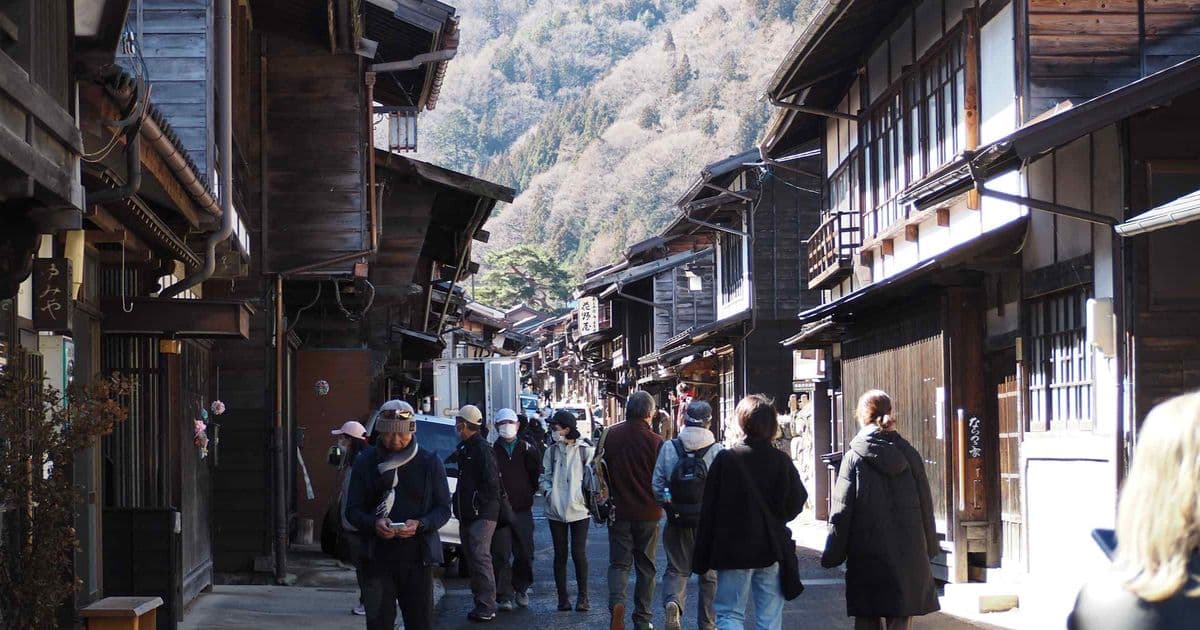
Nagano's Narai-juku, a 1-kilometer stretch of preserved Edo-era buildings, is adapting to accommodate growing numbers of international tourists seeking authentic Japanese experiences.
The historic town of Narai-juku in Nagano Prefecture is experiencing a renaissance as it adapts to serve 21st-century travelers while preserving its centuries-old charm. Once a vital rest stop for travelers journeying between Tokyo and Kyoto during Japan's Edo period (1603-1868), this 1-kilometer street of traditional folk houses has been recognized by the Japanese government for its exceptional preservation of architectural heritage.
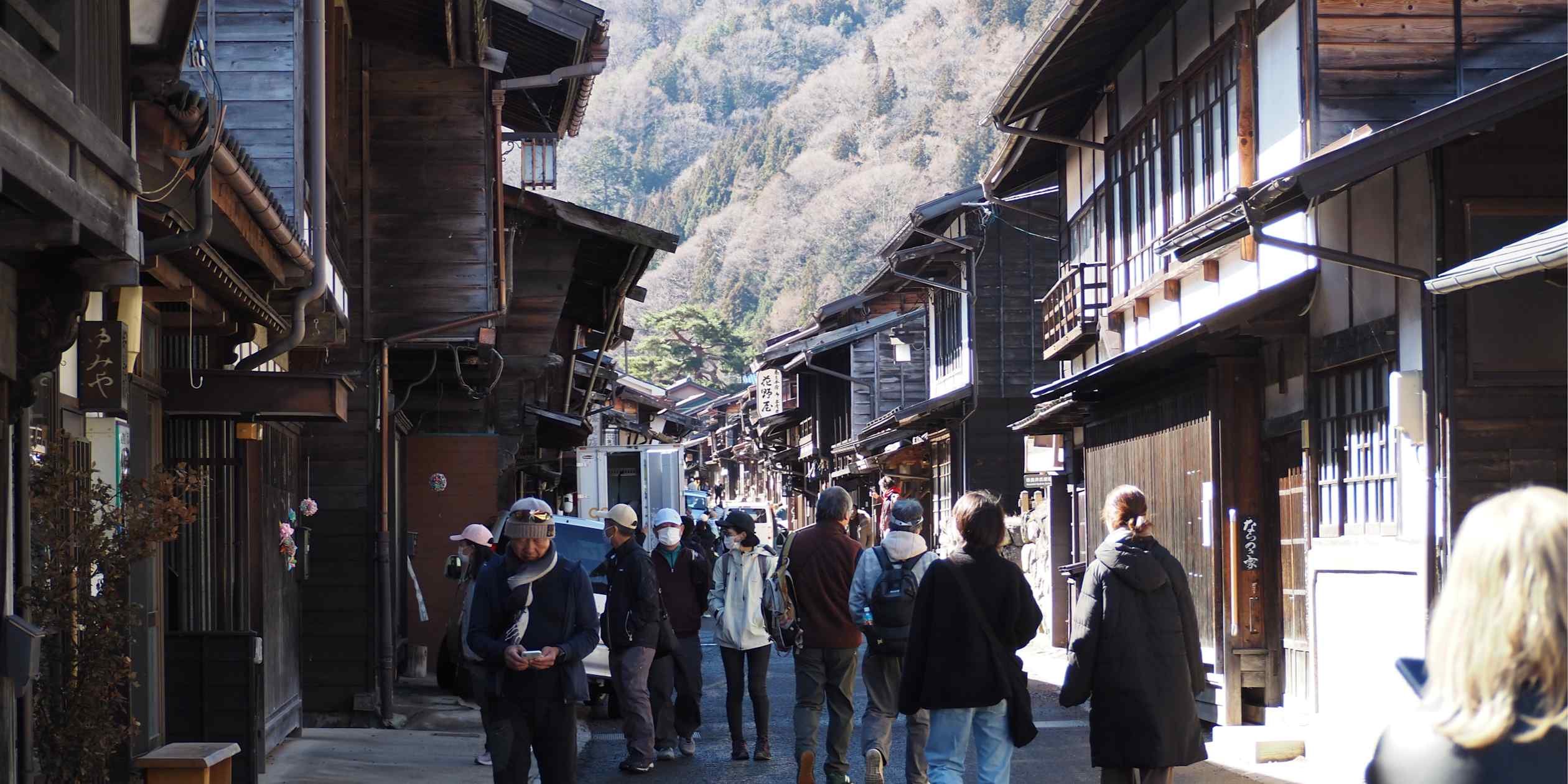
The transformation of Narai-juku reflects broader trends in Japanese tourism, where international visitors increasingly seek authentic cultural experiences beyond the typical urban destinations. Local inns and traditional buildings are being renovated to accommodate modern amenities while maintaining their historical character, creating a delicate balance between preservation and progress.
This evolution comes as Japan continues to see record numbers of international tourists, with rural destinations like Narai-juku benefiting from the shift toward experiential travel. The town's success demonstrates how historical preservation can coexist with economic development, offering a model for other traditional communities facing similar challenges in the modern tourism landscape.
The preservation efforts in Narai-juku align with Japan's broader strategy to distribute tourism benefits beyond major cities like Tokyo and Kyoto. As overtourism concerns grow in popular destinations, smaller towns with preserved historical character are positioned to absorb some of the visitor overflow while providing more authentic experiences.
Local businesses are adapting traditional merchant houses into accommodations that blend historical authenticity with modern comforts, allowing visitors to experience Edo-period architecture without sacrificing contemporary conveniences. This approach has proven successful in attracting both domestic and international travelers seeking deeper cultural immersion.
The town's transformation also reflects changing traveler preferences, with many modern tourists willing to venture beyond conventional tourist circuits in search of unique, Instagram-worthy experiences that connect them to Japan's rich cultural heritage. Narai-juku's success suggests that well-preserved historical towns can thrive in the modern tourism economy when they successfully bridge traditional charm with contemporary needs.
As Japan continues to position itself as a premier travel destination, towns like Narai-juku demonstrate how historical preservation and modern tourism can create mutually beneficial outcomes, preserving cultural heritage while generating sustainable economic opportunities for local communities.
Comments
Please log in or register to join the discussion