
Elon Musk criticizes Apple's collaboration with Google to power Siri using Gemini AI, citing concerns about market concentration while highlighting his competing interests through xAI's Grok.
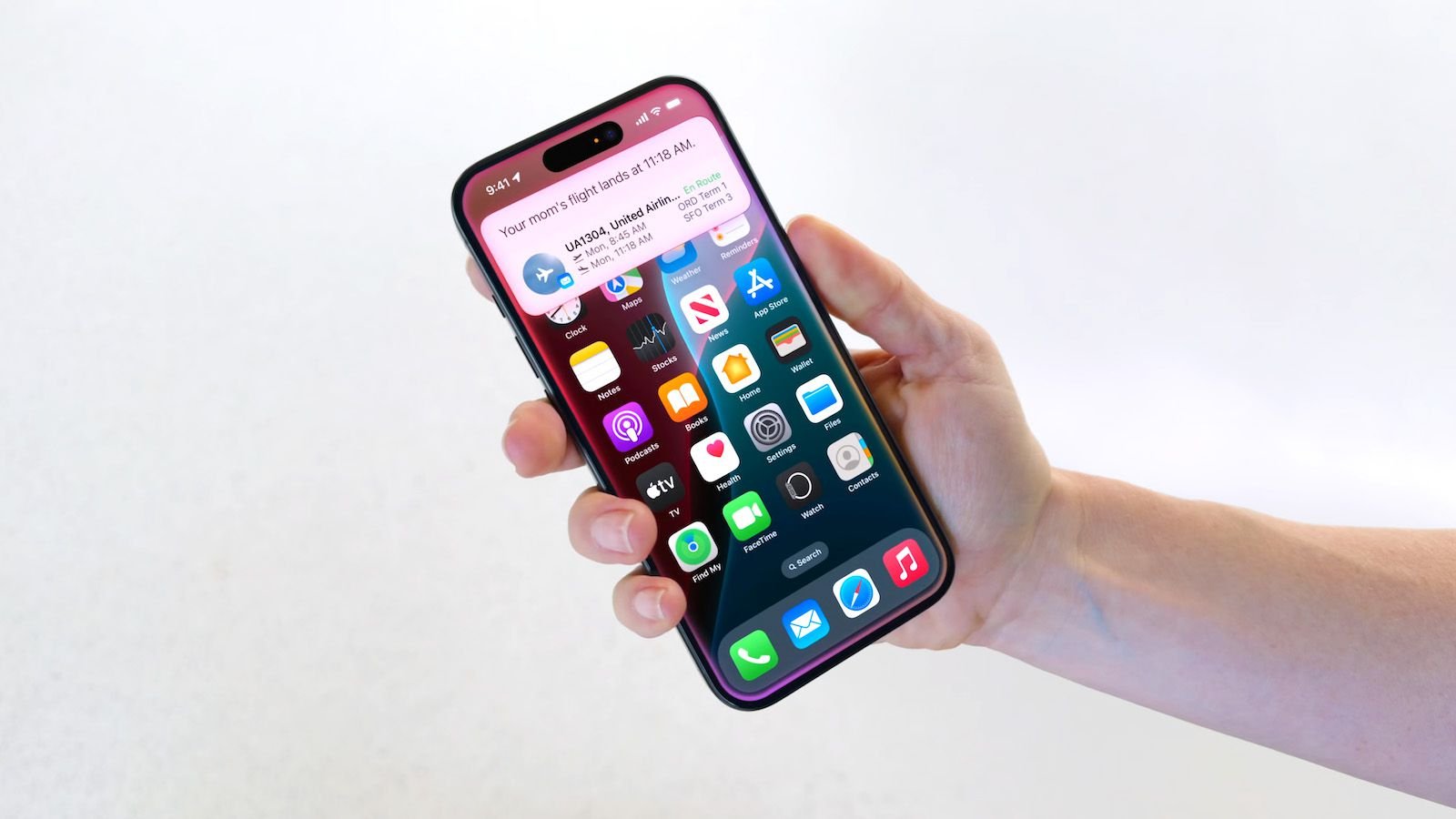
The recent announcement of Apple integrating Google's Gemini AI into its revamped Siri assistant has drawn sharp criticism from tech billionaire Elon Musk, spotlighting tensions in the rapidly evolving AI landscape. In a post on social media platform X, Musk questioned the partnership's implications: "This seems like an unreasonable concentration of power for Google, given that they also have Android and Chrome."
This reaction carries particular weight given Musk's position as CEO of xAI, the company behind Grok - a direct competitor to Google's Gemini. The critique arrives amid Apple's broader push to enhance its Apple Intelligence ecosystem, with Gemini expected to power personalized Siri features capable of understanding user context and behavior patterns.  shows the anticipated interface for these contextual interactions, scheduled to debut in iOS 26.4 this spring.
Market analysts note several dimensions to Musk's criticism:
- Competitive Positioning: As Google already dominates mobile OS markets through Android and web browsing via Chrome, adding core iOS functionality through Gemini could extend its AI influence across 95% of global smartphones.
- Legal Precedent: Musk's xAI filed a lawsuit against Apple and OpenAI last year alleging anti-competitive practices, suggesting a pattern of challenging major AI collaborations.
- Technical Trade-offs: While Gemini offers Apple accelerated AI capabilities without full in-house development, critics argue it reduces differentiation between iOS and Android ecosystems.
Counterperspectives highlight potential benefits: the partnership could accelerate practical AI applications for end users. Siri's much-criticized limitations might see rapid improvement through Gemini's advanced language models, while Apple maintains control over privacy frameworks like Private Cloud Compute. Developers might gain access to more consistent cross-platform AI tools.
The muted response from both Apple and Google reflects corporate diplomacy, but industry observers note the strategic calculus. Google gains unprecedented access to iOS users, while Apple fills critical AI gaps faster than building comparable technology independently. Regulatory bodies in multiple jurisdictions are reportedly examining the arrangement, though no formal investigations have been announced.
As detailed in Apple's technical overview, on-device processing will handle basic requests, with complex queries routed through Google's infrastructure. This hybrid approach maintains Apple's privacy branding while leveraging Gemini's cloud capabilities. For consumers, the collaboration could finally deliver on long-promised conversational AI – provided antitrust concerns don't alter the roadmap before its spring launch.
Comments
Please log in or register to join the discussion