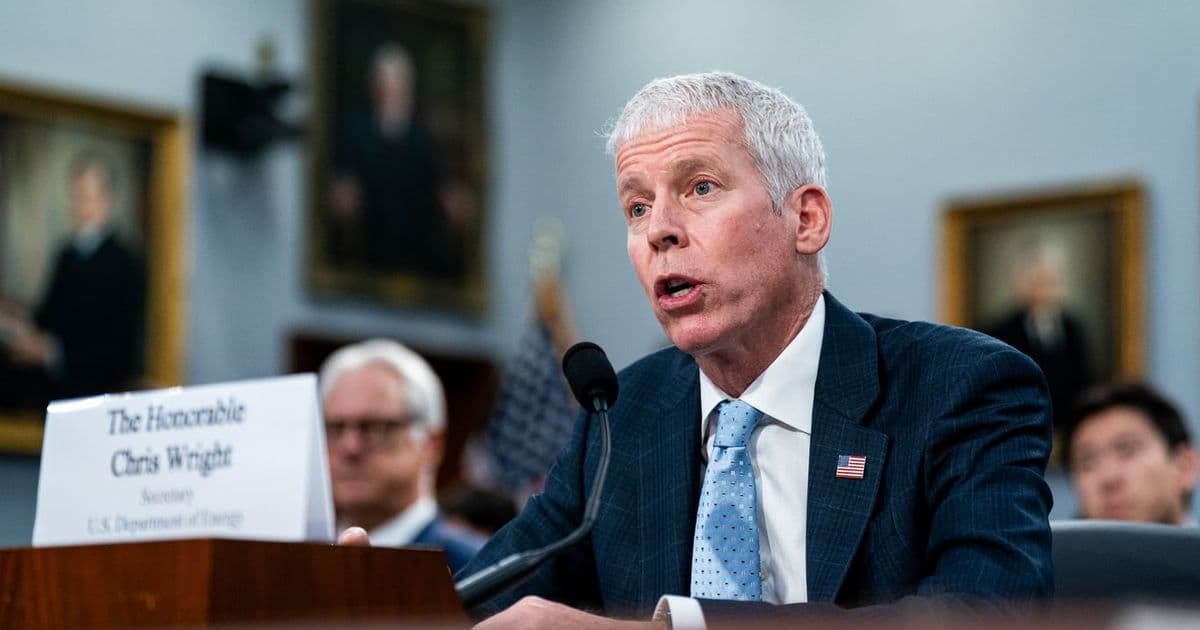
Energy Secretary Chris Wright predicts U.S. gas prices will remain above $3 per gallon until 2027, citing global supply constraints and rising demand despite Trump administration efforts to boost domestic production.
Energy Secretary Chris Wright has delivered a sobering forecast for American drivers, projecting that gasoline prices will remain above $3 per gallon until at least 2027. The prediction, made during a press briefing on April 19, 2026, contradicts earlier administration promises of immediate relief at the pump through expanded domestic drilling and relaxed environmental regulations.
Wright attributed the persistent high prices to a complex interplay of global market forces that domestic policy changes cannot quickly overcome. "The fundamentals of supply and demand are driving this market," Wright explained. "Even with our aggressive push for American energy dominance, we're facing structural constraints that will keep prices elevated for the foreseeable future."
Global Supply Constraints Drive Prices Higher
The energy secretary pointed to several factors constraining global oil supply, including OPEC production cuts, geopolitical tensions in key producing regions, and the slow pace of bringing new production online. Despite the Trump administration's efforts to boost U.S. oil production through regulatory rollbacks and expanded drilling leases, Wright acknowledged that American output alone cannot offset global supply shortfalls.
"We're producing more oil than ever before, but the world consumes over 100 million barrels per day," Wright noted. "Our increased production is being absorbed by growing global demand, particularly from developing economies."
Demand Growth Outpaces Supply Increases
Rising global demand, especially from emerging markets in Asia and Africa, continues to put upward pressure on prices. The post-pandemic economic recovery has accelerated energy consumption worldwide, while renewable energy transitions have not yet offset fossil fuel demand in transportation and industrial sectors.
Wright emphasized that even aggressive electric vehicle adoption in the U.S. will have limited impact on global oil markets in the near term. "The U.S. represents about 20% of global oil consumption," he said. "Even if we dramatically reduce our gasoline use, the global market dynamics will still drive prices here."
Economic Implications for American Consumers
The prolonged period of high gas prices carries significant economic implications for American households and businesses. Transportation costs represent a substantial portion of consumer budgets, and sustained prices above $3 per gallon could dampen economic growth and consumer spending in other sectors.
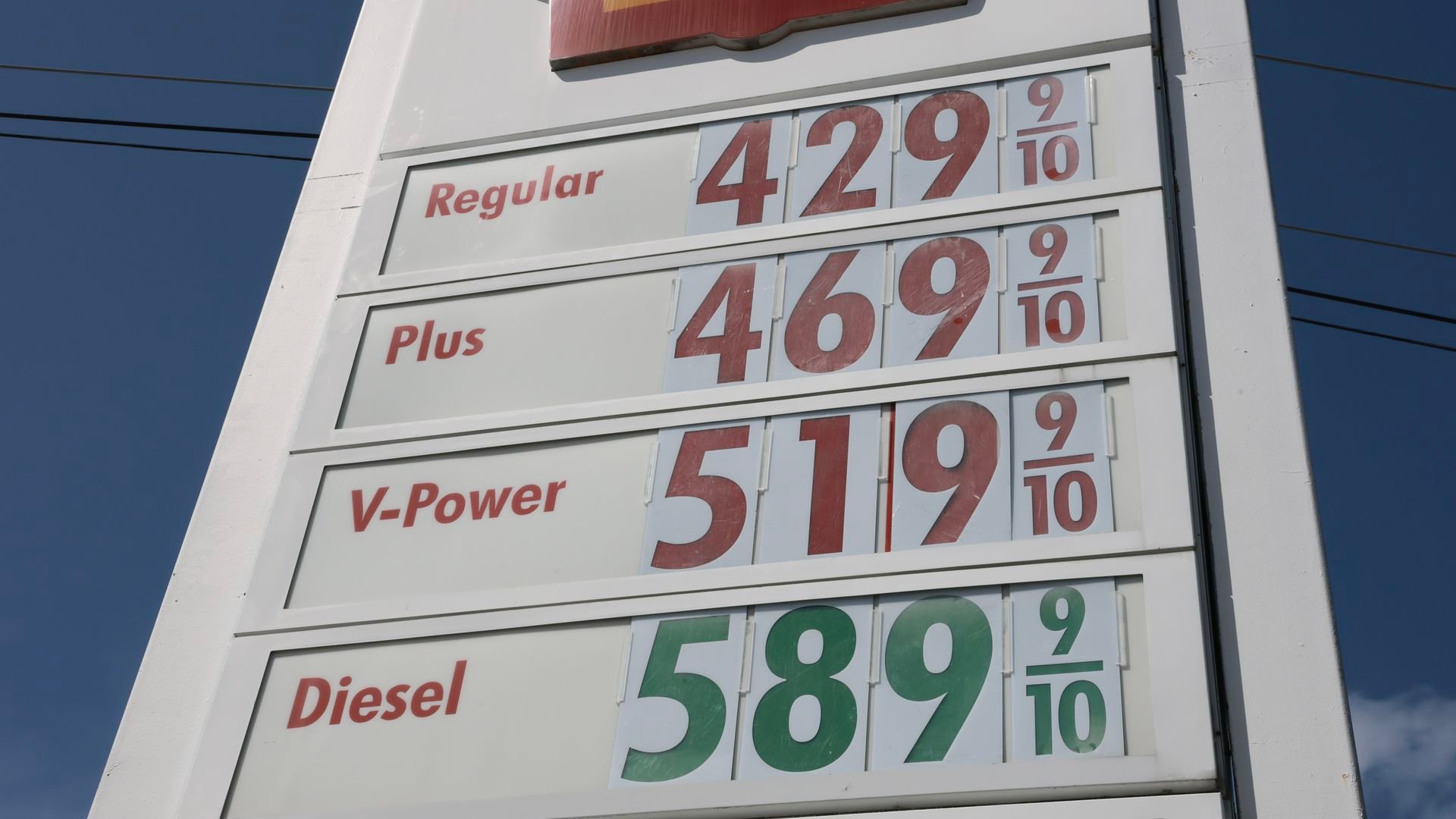
Transportation analysts estimate that each $0.10 increase in gas prices costs American consumers approximately $10 billion annually in additional fuel expenses. At current consumption levels, maintaining prices above $3 per gallon represents a $30-40 billion annual drag on the economy compared to the $2.50-2.75 range that prevailed in much of 2024.
Policy Responses and Political Fallout
The administration's energy policies have come under increased scrutiny as the promised price relief fails to materialize. While Wright defended the administration's approach as necessary for long-term energy security, critics argue that the focus on fossil fuel expansion has diverted resources from renewable energy development and energy efficiency measures that could provide more immediate relief.
Republican lawmakers have largely supported the administration's energy agenda, arguing that increased domestic production will eventually lead to price stability and energy independence. However, some moderate Republicans in competitive districts have expressed concern about the political fallout from sustained high gas prices, particularly as the 2026 midterm elections approach.
Alternative Energy and Efficiency Measures
In response to the persistent high prices, Wright announced expanded federal support for alternative fuel infrastructure and vehicle efficiency programs. The Department of Energy will increase funding for hydrogen fueling stations, biodiesel production, and advanced battery research, though these initiatives are expected to take years to significantly impact the transportation fuel market.
The administration is also considering emergency measures to address price volatility, including strategic petroleum reserve releases and temporary fuel tax adjustments. However, Wright cautioned that such measures would provide only temporary relief and could create market distortions if not carefully managed.
Global Context and Market Dynamics
The U.S. gas price outlook is inextricably linked to global oil market dynamics. Recent conflicts in the Middle East, production disputes within OPEC, and sanctions on major oil producers have created an environment of supply uncertainty that keeps prices elevated.
International Energy Agency forecasts suggest that global oil demand will continue growing through 2027, driven by economic development in emerging markets and continued reliance on petroleum for transportation and petrochemicals. Even aggressive climate policies in developed nations are unlikely to significantly reduce global oil demand in the near term.
Consumer Adaptation and Behavioral Changes
High gas prices are already driving changes in consumer behavior, with increased interest in fuel-efficient vehicles, carpooling, and public transportation. Sales of hybrid and electric vehicles have accelerated, though they still represent a small fraction of the overall vehicle fleet.
Transportation companies are also adapting, with logistics firms investing in route optimization software and fuel-efficient technologies to mitigate the impact of high fuel costs on their operations. These adaptations may provide some insulation against future price shocks but require significant capital investment and time to implement.
Looking Ahead: The 2027 Timeline
Wright's projection of prices remaining above $3 through 2027 represents a significant revision from earlier administration forecasts. The timeline assumes continued global supply constraints and demand growth, with limited impact from domestic production increases or alternative energy adoption.
Energy analysts note that the 2027 timeline provides a window for policy adjustments and market adaptations. However, it also represents a challenging period for American consumers and businesses that have grown accustomed to relatively low and stable gas prices in recent years.
The administration's energy strategy now appears focused on managing the transition period while building long-term energy security through diversified supply sources and reduced dependence on global oil markets. Whether this approach will deliver the promised benefits remains to be seen, but American drivers should prepare for several more years of elevated fuel costs.
Comments
Please log in or register to join the discussion