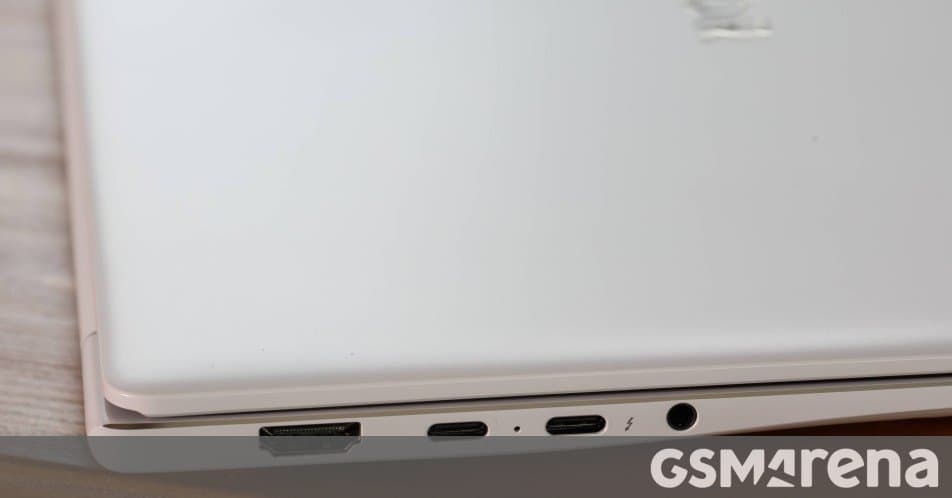
The European Union's common charger directive has now fully extended to laptops, requiring all new devices sold in the EU to feature USB-C charging capabilities. This regulation aims to reduce e-waste and standardize charging across devices, with significant implications for both consumers and manufacturers.
The European Union's common charger directive has reached its next milestone, with all new laptops now required by law to ship with USB-C charging capabilities. The directive, which came into effect in December 2024, has been gradually rolling out across different device categories, with laptops having an extended transition period that officially expired on April 28, 2026.
What the Regulation Mandates
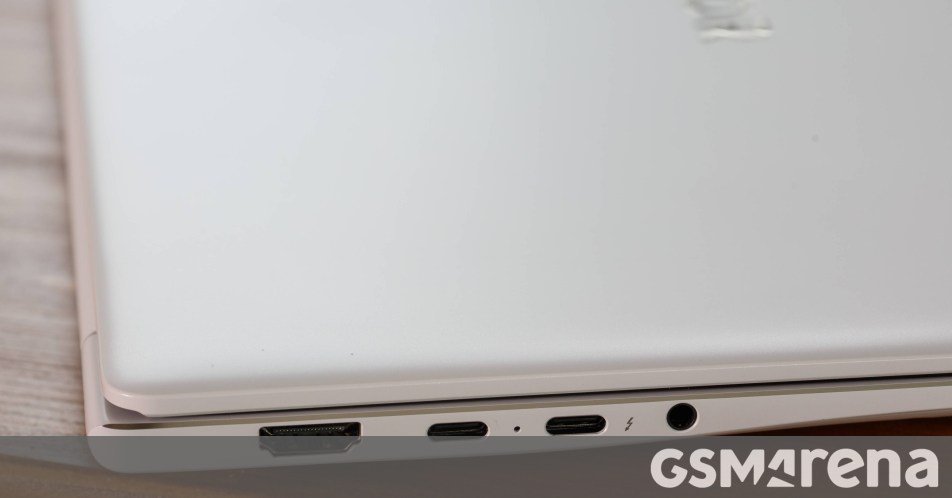
Under the new requirements, all laptops sold in the European Union must feature at least one USB-C port capable of charging the device. This applies specifically to laptops with a power rating of 100W or lower. For higher-power devices, such as gaming laptops and workstations that exceed this threshold, manufacturers can continue to include proprietary barrel-plug connectors, but they must also provide the mandatory USB-C charging option.
The regulation also requires laptop manufacturers to offer an "unbundled" packaging option, allowing consumers to purchase laptops without including a physical charger in the box. This measure is designed to reduce electronic waste by encouraging the reuse of existing chargers and giving consumers more choice in their purchases.
Why This Matters for Consumers
For consumers in the EU, this regulation brings several practical benefits. First, the standardization of charging ports means fewer chargers to carry when switching between devices or traveling. A single USB-C charger can now potentially power a smartphone, tablet, and laptop, reducing the need to pack multiple power bricks.
The USB-C standard supports power delivery up to 240W, making it suitable for most consumer laptops. According to the USB Implementers Forum, USB-C can deliver power at various levels, from the basic 5W for small devices up to the maximum 240W for power-hungry systems.
The unbundled option also provides cost savings for consumers who already own compatible chargers. While the exact pricing differences remain to be seen, industry analysts expect laptops sold without chargers to be slightly less expensive, potentially saving consumers between €10-€30 per device.
Additionally, the reduced e-waste contributes to a more sustainable tech ecosystem. The EU estimates that the universal adoption of USB-C across portable electronic devices will save consumers up to €250 million annually and reduce electronic waste by approximately 11,000 tonnes per year. This aligns with the EU's broader digital strategy for sustainable technology.
Implications for Manufacturers
For laptop manufacturers, this regulation represents both a challenge and an opportunity. The requirement to include USB-C ports is relatively straightforward for most modern laptops, as many manufacturers had already been moving in this direction. However, the unbundled packaging option requires changes to product lines and marketing strategies.
Manufacturers will need to clearly distinguish between standard and charger-less versions of their laptops, potentially creating new SKU variations. They'll also need to ensure that their USB-C implementations meet the power delivery requirements specified in the directive, particularly for devices at the higher end of the power spectrum.
For companies with existing proprietary charging systems, like Apple with its MagSafe technology or some gaming laptop manufacturers with high-wattage power bricks, the regulation requires maintaining those systems while adding USB-C compatibility. This dual-approach increases complexity but preserves brand-specific features that some consumers value.
Apple's transition to USB-C with the iPhone 15 series demonstrates how manufacturers can adapt to these regulations while maintaining their design language. The company's decision to include both USB-C and MagSafe in some MacBook models shows how proprietary systems can coexist with standardized ports.
The Broader Context: USB-C as a Universal Standard
This laptop regulation builds on the EU's earlier mandates for smartphones and other portable electronics. In 2022, the EU announced that all new smartphones sold in the bloc would need to include USB-C charging, a move that prompted Apple to transition its iPhone lineup from Lightning to USB-C with the iPhone 15 series.
The laptop regulation extends this standardization to a broader category of devices, creating a more unified charging ecosystem across the continent. This positions USB-C as the de facto standard for charging in the EU, potentially influencing global standards as manufacturers often design products for the European market first due to its regulatory requirements and consumer market size.
The USB Power Delivery specification, which governs how USB-C delivers power, has evolved to support higher wattages and more sophisticated power negotiation. This technological foundation makes USB-C suitable for a wide range of devices, from smartphones to laptops, which was a key factor in the EU's decision to standardize around it.
Potential Future Developments
Industry observers suggest this may not be the end of the EU's standardization efforts. There are discussions about extending the USB-C requirement to even higher-power devices, potentially including some desktop computers and peripherals. The EU has also expressed interest in standardizing other aspects of electronic devices, such as data transfer protocols and charging speeds.
Consumers and manufacturers alike should stay informed about potential updates to these regulations, as the tech landscape continues to evolve. The EU has demonstrated a commitment to reducing electronic waste and creating more sustainable tech ecosystems, and future directives may build on the foundation established by the common charger initiative.
The European Environmental Bureau has advocated for even broader e-waste reduction measures, suggesting that the common charger directive could be extended to more device categories and include requirements for repairability and longevity.
What This Means for Buyers
For consumers purchasing laptops in the EU, the new regulation means more standardized charging options but also requires attention to compatibility when considering charger-less models. When shopping for a new laptop, consumers should:
- Verify that the device includes USB-C charging capabilities
- Check if the charger is included or if it's an unbundled option
- Ensure any existing chargers they plan to reuse are compatible with the new device's power requirements
- Consider the long-term benefits of standardization when making purchasing decisions
The transition to USB-C represents a significant step toward a more sustainable and user-friendly tech ecosystem. While it may require some adjustments in the short term, the long-term benefits of reduced e-waste and standardized charging are likely to outweigh the initial challenges for both consumers and manufacturers.
Comments
Please log in or register to join the discussion