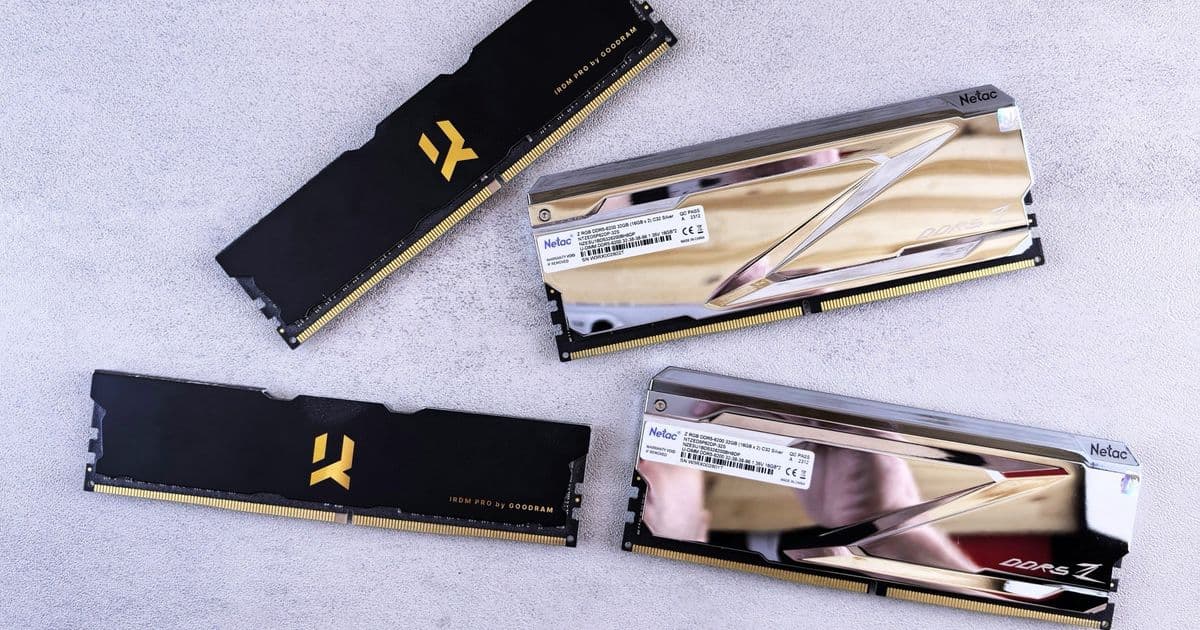
German price tracker 3D Center measured a 1% DDR5 RAM increase and a 1.8% M.2 SSD increase in June, giving PC builders a pause after months of pressure from artificial intelligence buyers.
June prices
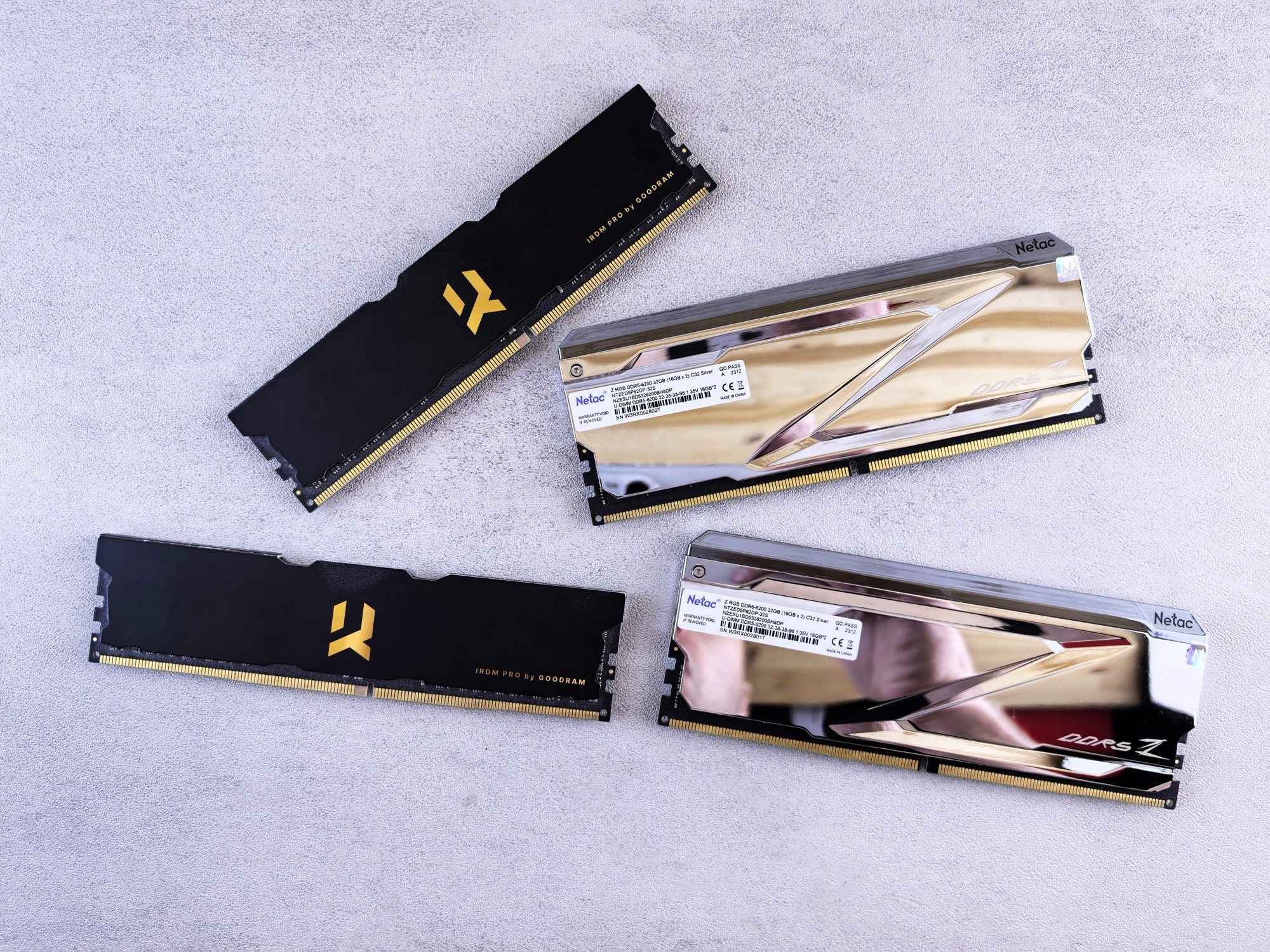
European PC builders saw RAM and SSD prices flatten in June, according to 3D Center, which tracks German retail listings for memory kits and M.2 drives. The tracker measured a 1% DDR5 RAM increase for the month and a 1.8% increase for M.2 SSDs, a sharp change from the surge that hit buyers between September 2025 and January 2026.
Artificial intelligence companies such as OpenAI have pulled DRAM and NAND flash supply toward data centers, and component sellers have charged PC buyers higher prices since October 2025. By January 2026, buyers paid more than four times the September 2025 level for DDR5 kits in 3D Center's index. German retailers cut average prices 7% in March and kept them flat in April. They raised them 1% in May and June.
Industrial customers kept paying more for DRAM during the same stretch. Retailers did not match that pace on shelf tags. Hannes Brecher of Notebookcheck points to high inventories and weak demand. Stores held extra stock, and shoppers bought fewer upgrade kits, so retailers had less room to push prices higher without losing sales. Brecher argues that retailers front-loaded price hikes in late 2025, before industrial contract increases reached consumers.
Comparison
DDR4 buyers got a cheaper path in June. Retailers cut DDR3 and DDR4 prices during the month. Buyers still pay a little more than three times the June 2025 level for those standards, but DDR4 now looks easier to defend than DDR5 for compatible systems.
If you use an AM4 system or an LGA 1700 board with DDR4 slots, you should rerun the upgrade math. You can get more bandwidth from DDR5, but you now pay a premium for the board and memory that can wipe out the value of a budget CPU upgrade. For capacity-limited systems, you should favor DDR4 if you need memory for virtual machines or content work and can give up peak bandwidth.
NAND buyers saw less relief. 3D Center measured M.2 SSDs at about twice their June 2025 prices. Buyers who need large 8 TB drives with DRAM cache took the hardest hit in the index. Sellers raised that category 24% in June, leaving buyers with a €1,029 floor. U.S. buyers saw the WD_Black SN850X 8 TB at $1,499.
Market pressure
You can trace the split between calm storefronts and rising contract prices to AI demand. Cloud buyers need high-bandwidth memory for accelerators and NAND for server storage, and they sign long supply contracts with budgets above consumer retail channels. Memory makers follow that revenue. PC builders then compete for the DDR5 and NAND capacity left for retail channels.
You can see calm shelf prices during a supply crunch because retail prices often lag component contracts. A store can sell inventory it bought before the next contract increase, or a distributor can clear older stock to keep cash moving. You learn more about retailer timing than chip supply from that delay. Retailers have yet to price the next wholesale bill into many shelf tags.
Buyer guidance
PC builders should separate capacity needs from platform plans. If your current system uses DDR4 and you need 32 GB or 64 GB, a DDR4 upgrade offers the cleanest value in June. You keep the motherboard and avoid DDR5 kit pricing. You can put the savings toward storage or a GPU.
DDR5 buyers should shop for kit size first and speed second. If you run games and browser-heavy work together, capacity gives you more benefit than high clocks with tight timings. That choice matters if the higher-end kit forces cuts to SSD size or GPU tier.
SSD buyers should avoid treating 8 TB as a default target. Sellers raised 8 TB DRAM-cache models 24% in June, so you need a clear use case before you buy that tier. For game libraries and photo catalogs, you get a better balance from a 2 TB or 4 TB SSD plus external backup capacity while prices stay high.
Laptop buyers face fewer choices. Manufacturers solder RAM in many laptops and charge for SSD configurations at purchase. You should price the RAM and SSD option you expect to need for the life of the machine. Upgrading after purchase may cost more, and some manufacturers lock you into the purchase-day specification.
Desktop buyers can wait with less risk if they have enough memory and storage. 3D Center recorded a 1% DDR5 increase and a 1.8% M.2 SSD increase in June, but memory suppliers give AI and server customers more attention because those buyers place larger orders. You can wait on optional upgrades. For planned builds, set a parts list and a price ceiling before another contract increase reaches retail.
Buying call
European buyers got a pause in June. Retailers raised DDR5 and M.2 SSD prices 1% to 1.8%. DDR4 gives compatible systems a cheaper escape route. Buyers who need 8 TB SSDs face the hardest math. Buyers who can reuse DDR4 hardware have the cheapest path through the price spike.
Comments
Please log in or register to join the discussion