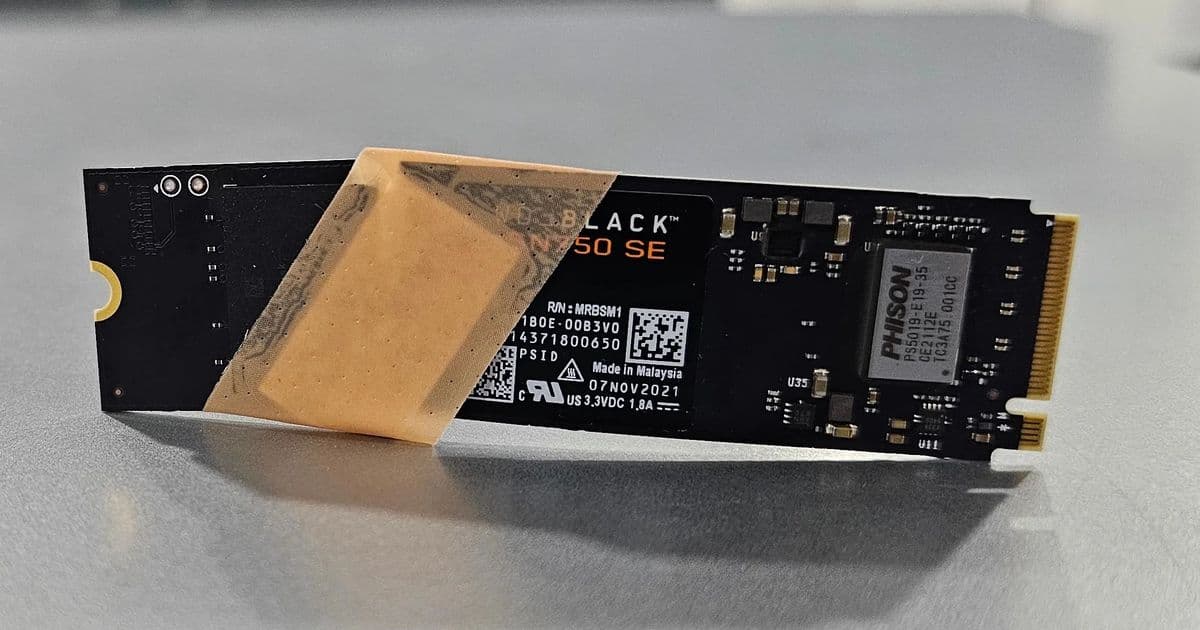
Linux 7.0-rc6 brings a substantial batch of EXT4 fixes addressing critical stability issues, memory leaks, and edge-case bugs discovered through extensive testing.
The EXT4 file-system is receiving a comprehensive stability overhaul in the upcoming Linux 7.0-rc6 release, with maintainer Ted Ts'o pushing a substantial batch of fixes that address numerous critical issues uncovered through Syzkaller fuzzing and real-world testing.
Critical Stability Fixes
The most pressing fixes target stability and data integrity concerns that could lead to system crashes or file-system corruption. A particularly concerning use-after-free bug in the update_super_work function when racing with unmount operations has been resolved, preventing potential memory corruption scenarios. Additionally, a potential crash when disabling discard via remount followed by an immediate unmount has been fixed, addressing an issue discovered by Sashiko testing.
Memory management improvements form a significant portion of this update, with multiple memory leaks on error paths being sealed. These fixes prevent resource exhaustion scenarios that could degrade system performance over time or lead to unexpected behavior under heavy load.
Edge Case and Race Condition Resolutions
Several race conditions that could lead to deadlocks or inconsistent state have been addressed. A particularly subtle issue involving the reallocation of freed inodes could result in deadlocks under specific timing conditions. The fix ensures proper synchronization when handling inode lifecycle operations.
Another corner case involving indirect-mapped inode block numbers exceeding 2^32 has been resolved, preventing potential block allocation failures on systems with large file systems or numerous small files. This fix ensures EXT4 can handle edge cases involving massive file systems without encountering integer overflow issues.
Performance and Reliability Improvements
The update includes several optimizations that improve both performance and reliability. The ext4_mb_find_by_goal() function now avoids allocating blocks from corrupted block groups, preventing the file-system from entering an inconsistent state when encountering damaged metadata. This change enhances EXT4's ability to gracefully handle storage errors without compromising the entire file system.
Fast commit functionality, a feature that improves file-system recovery times, has received multiple fixes. A potential crash in the fast commit flush path caused by accessing the jinode structure before it's fully initialized has been resolved. Additionally, fsync(2) behavior in no-journal mode has been corrected to ensure dirtied inodes are properly written to storage, addressing a data integrity concern that could lead to data loss in specific configurations.
Build System and Testing Enhancements
The EXT4 development team has also improved the development experience by fixing build issues when attempting to build EXT4's kunit tests as modules. This enhancement makes it easier for developers to contribute to EXT4 development and ensures the test suite remains comprehensive and maintainable.
Impact on Users and Administrators
For most users, these fixes will be applied automatically through their distribution's kernel updates. However, system administrators running custom kernels or those who have disabled automatic updates should consider applying the Linux 7.0-rc6 kernel promptly, especially if they're running storage-intensive workloads or managing critical data.
The breadth and depth of these fixes suggest that EXT4 has undergone particularly rigorous testing in the Linux 7.0 development cycle. The involvement of Syzkaller fuzzing has clearly paid dividends in uncovering corner cases that might not have been discovered through conventional testing methods.
Looking Forward
These fixes demonstrate the ongoing maturity of the EXT4 file-system and the Linux kernel development process. Even after decades of development, EXT4 continues to evolve and improve, addressing both legacy issues and modern edge cases. The comprehensive nature of this update suggests that the Linux 7.0 release cycle has placed particular emphasis on storage subsystem stability.
System administrators and developers working with EXT4 should review the specific fixes that apply to their use cases, particularly those involving fast commit functionality, no-journal mode operations, or systems with large numbers of small files. The fixes related to memory management and race conditions are generally beneficial for all EXT4 users, improving overall system stability and reliability.
The Linux kernel development community continues to demonstrate its commitment to file-system stability through these comprehensive updates, ensuring that EXT4 remains a reliable choice for both desktop and server environments.
Comments
Please log in or register to join the discussion