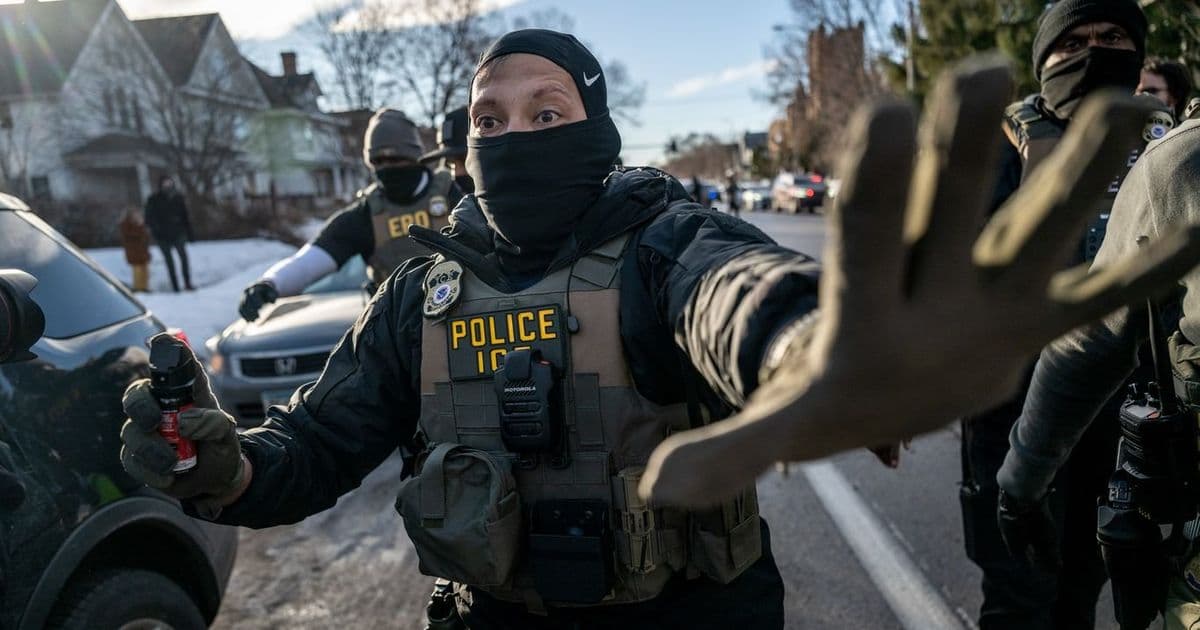
A federal judge has imposed significant limitations on how Immigration and Customs Enforcement can conduct operations against protesters in Minnesota, following a lawsuit challenging aggressive enforcement tactics during recent demonstrations.
A federal judge in Minnesota has issued a court order restricting ICE enforcement tactics against protesters, marking a significant shift in how immigration authorities can operate during civil demonstrations. The ruling comes in response to a lawsuit filed by civil rights organizations challenging ICE's use of aggressive tactics during raids in South Minneapolis and other areas.
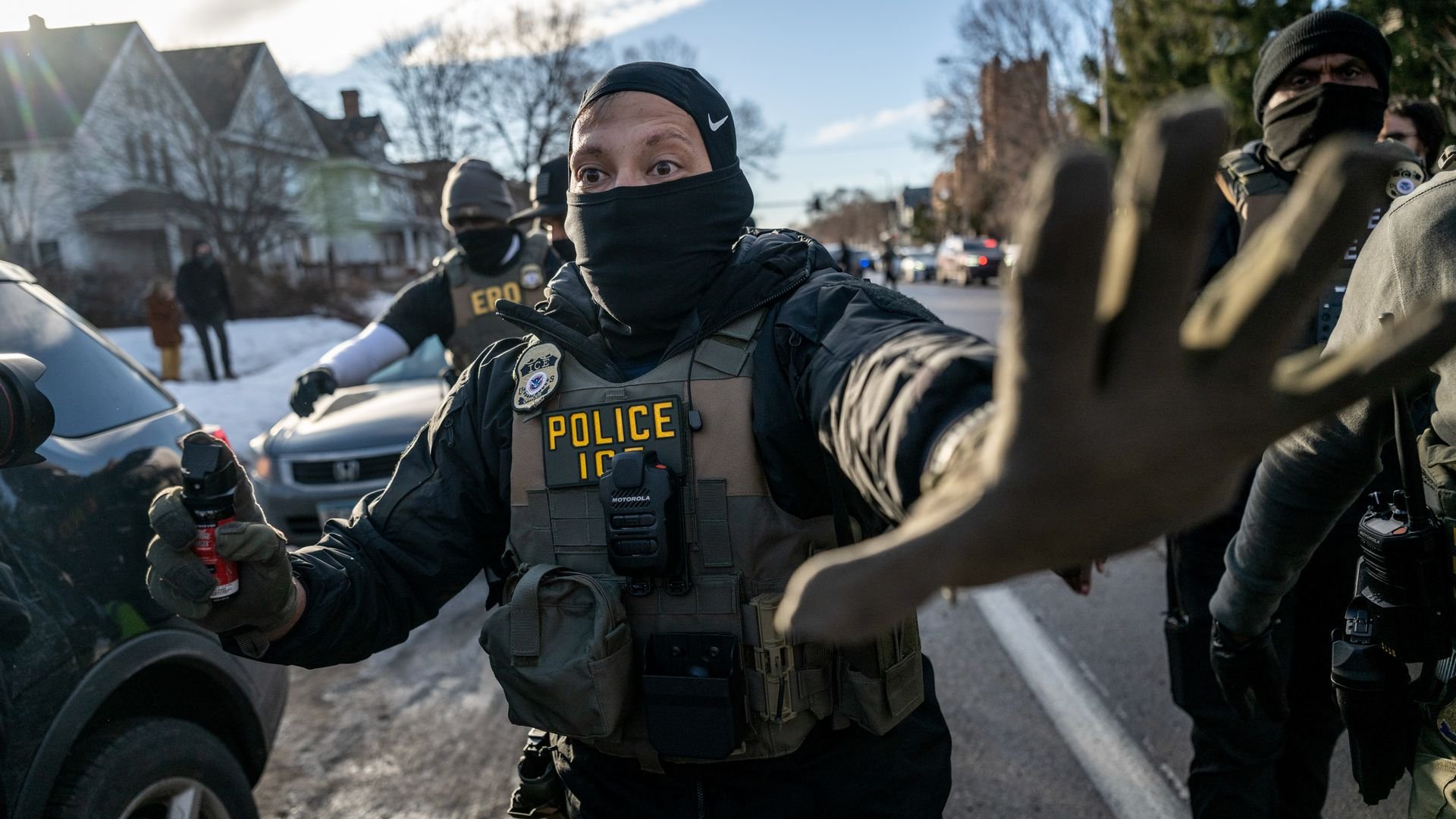
The case centers on operations that occurred during heightened protest activity in the region. According to court filings, ICE agents employed tactics including rapid detentions, use of tactical gear, and coordinated operations that plaintiffs argued created a chilling effect on First Amendment rights. The judge's order now requires ICE to provide specific justification before conducting enforcement actions near protest sites and limits the use of certain tactical equipment during immigration operations tied to protest activity.
Legal experts note this decision could have broader implications beyond Minnesota. The ruling addresses the intersection of immigration enforcement and constitutional protections for free speech and assembly. Civil liberties groups have long argued that aggressive ICE operations in protest areas effectively suppress dissent, particularly among immigrant communities who may be hesitant to participate in demonstrations due to fear of detention.
The Department of Homeland Security has not publicly commented on whether it will appeal the decision. However, the ruling represents one of the first judicial interventions specifically limiting ICE's operational flexibility in the context of protest activity. Immigration enforcement agencies typically operate with considerable discretion, making this judicial oversight notable.
For organizers in Minnesota, the decision provides some reassurance that participation in protests won't automatically trigger immigration consequences. The ruling specifies that ICE cannot use presence at a protest as the sole basis for initiating enforcement action, a key protection that advocates had sought.
The broader context involves ongoing debates about the role of federal immigration authorities in local demonstrations. Cities across the country have grappled with how to balance public safety, protest rights, and immigration enforcement. This Minnesota case may serve as a precedent for similar legal challenges elsewhere.
The order remains in effect pending further court proceedings, and both sides are preparing for potential appeals that could reach higher courts. The ultimate resolution may shape ICE policy nationwide regarding protest-related operations.
Comments
Please log in or register to join the discussion