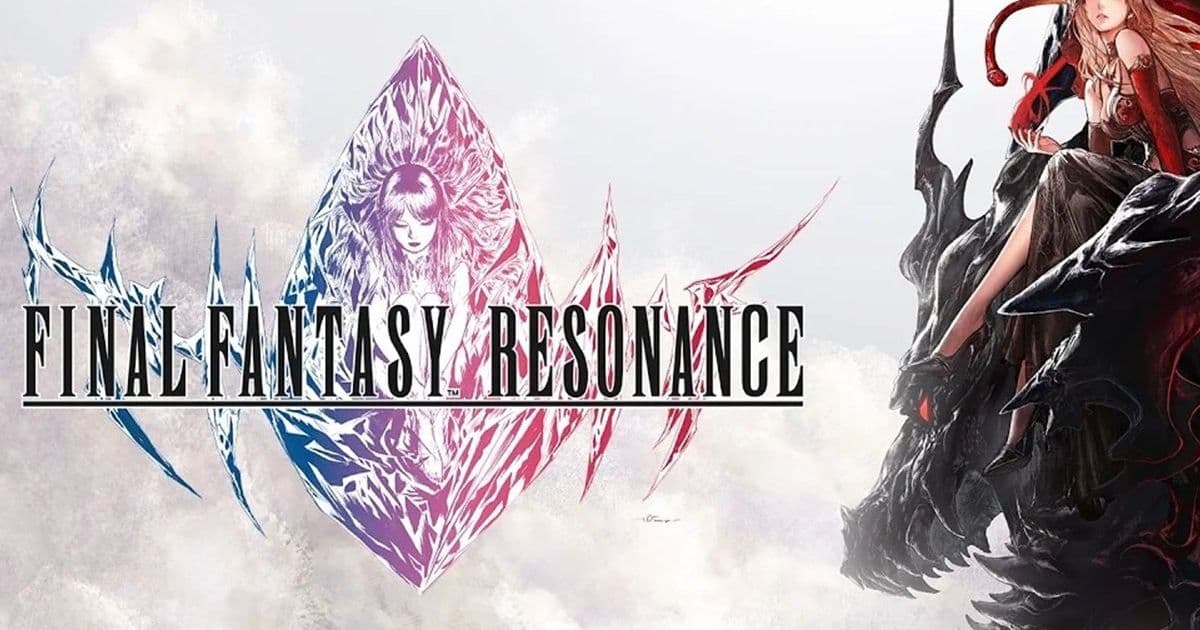
Square Enix is rebuilding the mobile gacha title Final Fantasy Brave Exvius into a premium HD-2D RPG with no stamina bars, no random pulls, and a single $49.99 buy-in across PC, PlayStation 5, Xbox, and both Switch generations.
Square Enix used Nintendo Direct 2026 to announce Final Fantasy Resonance, and the headline change is structural rather than cosmetic. The game takes the first-season story from the mobile gacha title Final Fantasy Brave Exvius and rebuilds it as a paid, self-contained RPG. The free-to-play scaffolding that defined the original, stamina meters, energy timers, and random character pulls, has been stripped out entirely. You pay once and play the whole thing.
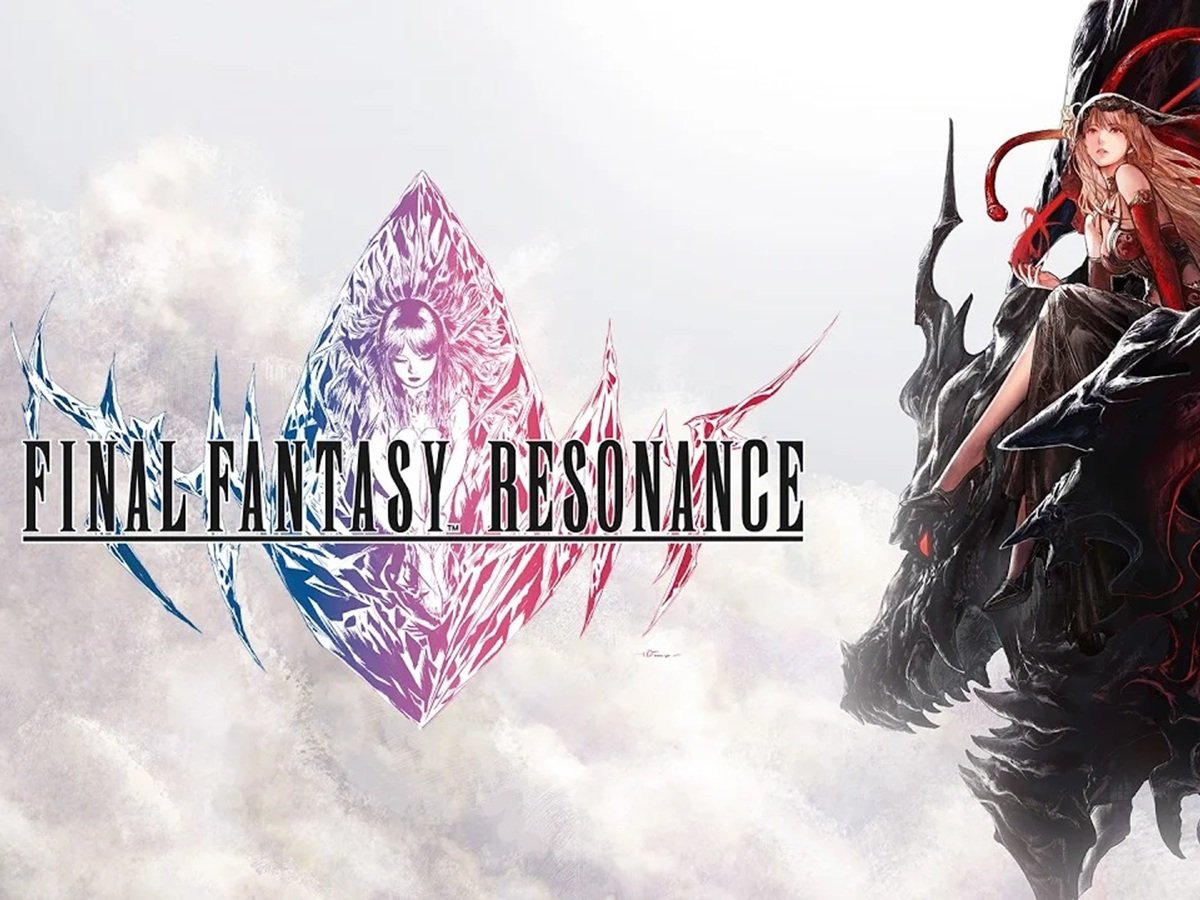
This is also the first mainline-adjacent Final Fantasy project to use Team Asano's HD-2D presentation, the same pixel-art-over-3D-environments look that carried Octopath Traveler and the Live A Live remake. Development is shared with Lancarse Ltd, and the global launch is set for October 22, 2026.
What's new
The biggest mechanical departure is the move from menu nodes to an actual explorable overworld. In the original mobile game, progression meant tapping through static maps. Resonance replaces that with traversable 2.5D environments where you walk through towns, open hidden treasure chests, and find optional dungeons. It is a meaningful shift in how you spend your time, closer to a console JRPG than a phone game with an idle loop.
Combat has been reworked into a timeline-based turn system. Each action slots into a visible queue, and the core loop revolves around exploiting enemy elemental and weapon weaknesses to fill a Stagger Meter. Break an enemy's defense and they are immobilized for a window, which is when your party fires off the high-damage Resonance attacks. Anyone who played the Bravely series or the FF7 Remake stagger system will recognize the rhythm: probe for weaknesses, build pressure, then dump damage during the opening.
The gacha pulls did not disappear so much as get repurposed. The new Vision System lets you unlock and equip phantom echoes of franchise characters like Cloud, Terra, and Tidus. Instead of being random pulls behind a paywall, these function as customizable skill trees you build into your party. Square Enix lists the main story at 30 to 40 hours, stretching to around 80 for completionists, which puts it in the same length bracket as a mid-size single-player RPG rather than an endless live-service grind.
How it compares
The comparison that matters most is against the game's own source material. Brave Exvius launched in 2015 and ran on the standard mobile economy: limited energy, paid summons, and a power curve tuned to encourage spending. Resonance keeps the story and characters but discards that monetization wholesale. For players who liked the Exvius narrative but bounced off the gacha grind, this is essentially the version the story always deserved.
It also lands in a market where the contrast with active gacha titles is sharp. Square Enix is shipping Resonance as native software on every platform with no cloud-streaming requirement, while live-service mobile heavyweights like Wuthering Waves continue to push smartphone GPUs hard to sustain their open worlds and effects. Resonance sidesteps that thermal and battery pressure entirely by being a fixed-scope download you own, not a service you keep feeding.
Against the broader HD-2D catalog, Resonance is the most franchise-heavy use of the style so far. Octopath and the Live A Live remake used original or legacy non-FF casts. Putting Cloud, Terra, and Tidus into that pixel-and-light aesthetic is the clearest signal yet that Square Enix sees HD-2D as a long-term production pipeline rather than a one-off experiment.
Platform support and pricing
Resonance ships day one on PC through both Steam and the Microsoft Store, plus Xbox Series S and Series X, PlayStation 5, the original Nintendo Switch, and Switch 2. Covering the base Switch alongside Switch 2 is notable, since HD-2D titles are generally light enough on hardware to run on the older handheld without the cuts a fully 3D engine would force. Pre-orders are already live on major digital and physical storefronts.
Pricing follows a three-tier structure. The standard edition is $49.99, a $10 discount off the usual $59.99 flagship price, which fits the game's mid-size scope. The digital deluxe edition runs $59.99 and adds early-game bonus items. The physical collector's edition sits at $209.99 and bundles a multi-disc soundtrack, an art book, and an exclusive trading card game promo card aimed at the collector crowd.
Who it's for
The target audience is straightforward. If you want a complete Final Fantasy story with no live-service hooks, Resonance is built for you, and the standard edition at $49.99 is the version most players should buy. The deluxe tier only makes sense if the early-game item boost matters to you, and the $209.99 collector's box is strictly for people who want the physical soundtrack and art book on a shelf. Switch and Switch 2 owners get a portable RPG that should run comfortably on both, while PC and console players get the same content with no streaming caveats. For lapsed Brave Exvius players, this is the cleanest way to revisit that story without the energy timers that defined it the first time.
Comments
Please log in or register to join the discussion