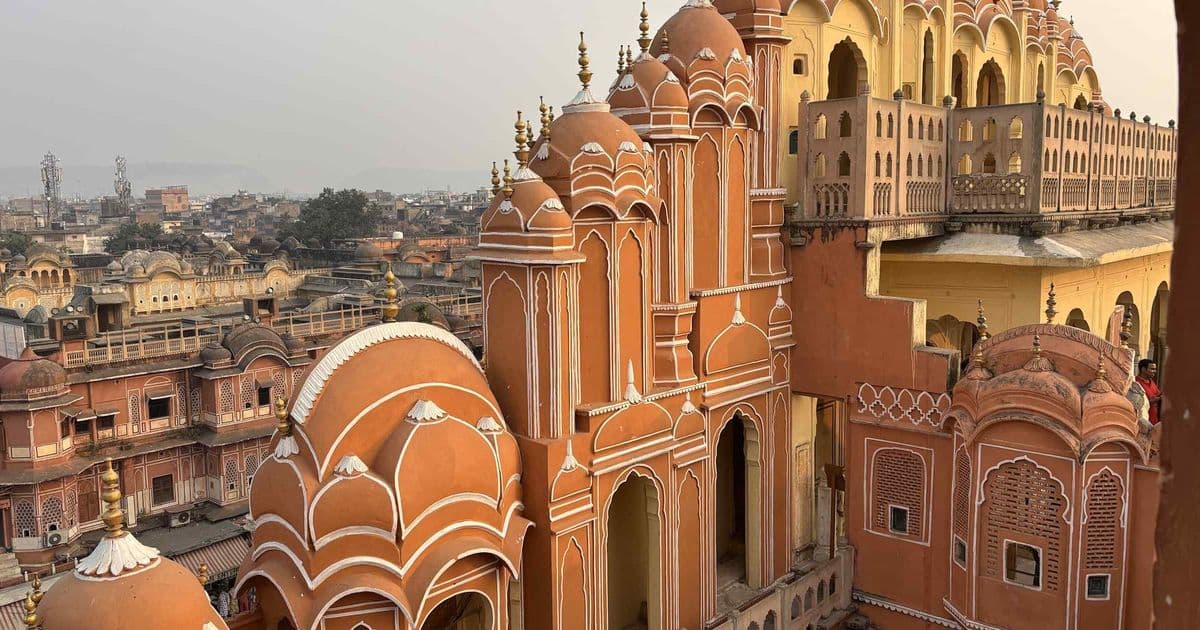
Jaipur's distinctive rose-colored architecture drives tourism growth while facing preservation challenges.
The Economics of Rose
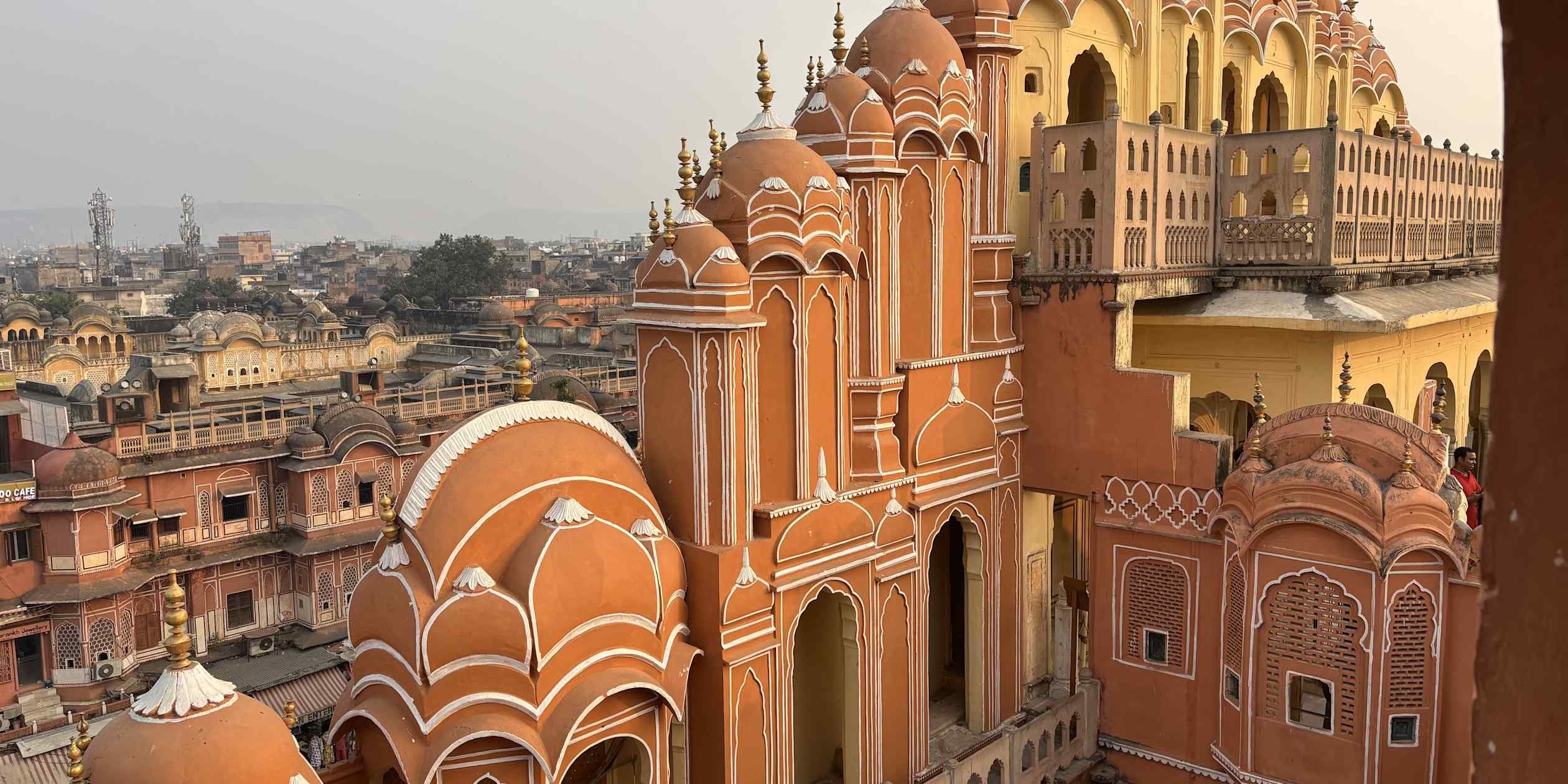
Jaipur earns its 'Pink City' moniker from a historic mandate: In 1876, Maharaja Ram Singh ordered buildings painted terracotta pink to welcome Prince Albert. This chromatic branding now fuels Rajasthan's tourism economy, with Jaipur attracting 8.2 million visitors annually pre-pandemic. Post-COVID recovery reached 6.5 million tourists in 2023, generating $1.3 billion in revenue.
Tourism Infrastructure Investment
Key landmarks anchor visitor spending:
- Hawa Mahal: The 1799 'Palace of Winds' with its 953 lattice windows draws 1.2 million visitors yearly
- City Palace Complex: Hosts 850,000 guests annually at $15 entry fees
- Jantar Mantar: UNESCO site charging $7 admission
The Rajasthan government allocated $42 million in 2025 for heritage conservation, targeting structural reinforcement of 17th-century buildings while maintaining chromatic consistency through specialized mineral pigments.
Strategic Tourism Development
Facing competition from Agra and Delhi's Golden Triangle circuit, Jaipur's authorities implemented measures:
- Monsoon Tourism Packages: 25% discounts June-August
- Night Tourism Initiative: Illuminated monuments extending visiting hours
- Artisan Corridors: Dedicated lanes connecting 380 craft workshops
Hotel occupancy rates averaged 68% in 2024, with heritage properties like Raj Palace commanding $380/night premiums over standard accommodations.
Preservation Challenges
Desert climate threatens sandstone structures, requiring annual $2.3 million maintenance. UNESCO monitors chromatic integrity through biannual audits, fining deviations from the official Pantone 17-1755 TPX 'Jaipur Pink' standard.
Visitor growth projections indicate 9.1 million tourists by 2028, necessitating expanded transport infrastructure and crowd management systems to protect the city's living heritage while sustaining economic benefits.
Comments
Please log in or register to join the discussion