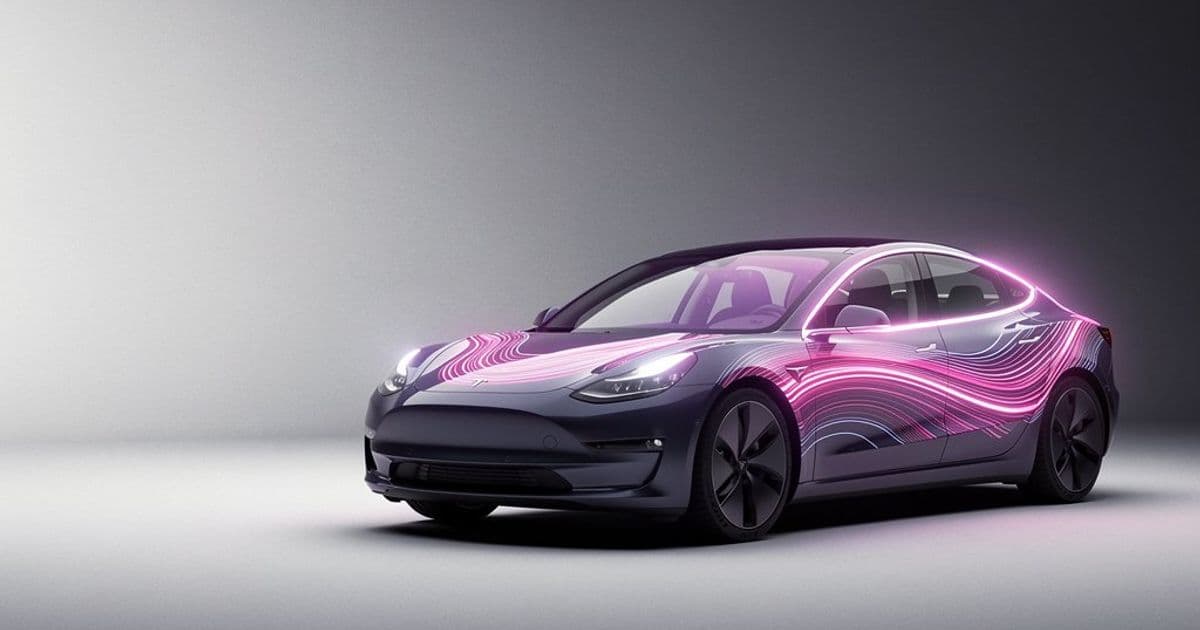
Ford announces plans to debut an AI voice assistant in mobile apps this year before expanding to vehicles in 2027, with Level 3 autonomous driving targeted for 2028 deployment.

Ford is making strategic moves to embed artificial intelligence at the core of its future vehicles. According to a report by Andrew J. Hawkins in The Verge, the automaker plans to:
- Launch an AI voice assistant in its mobile applications later this year (2026), extending the feature to vehicles by 2027
- Debut Level 3 autonomous driving technology in 2028
- Bring development largely in-house to "reduce costs and retain control"
The voice assistant aims to provide natural-language interactions for climate controls, navigation, and entertainment systems. Ford's approach contrasts with competitors by prioritizing a proprietary system rather than licensing third-party solutions like Google Assistant or Alexa.
Strategic Shift Toward Autonomy
Ford's Level 3 autonomy target places it alongside industry leaders like Mercedes-Benz, whose DRIVE PILOT system already operates in limited geographies. Level 3 capability allows hands-free driving under specific conditions, representing a significant leap beyond today's common Level 2 systems.
Broader AI Industry Context
This announcement arrives amid feverish AI activity across automotive and tech sectors:
- NVIDIA restructured to create a dedicated "Physical AI" unit for robotics/automotive
- Tesla continues refining its Full Self-Driving system amid regulatory scrutiny
- Google DeepMind recently detailed ambitious Gemini AI developments
Ethical Considerations
Ford's in-house development strategy may help address emerging AI ethics challenges, including:
- Data privacy for voice interactions
- Safety validation for autonomous systems
- Transparency in human-AI decision handoffs
As Hawkins notes, bringing development internally gives Ford greater oversight—a significant advantage as regulators worldwide scrutinize AI safety in transportation.
Image: Ford vehicle interface concept (Andrew J. Hawkins/The Verge)
Comments
Please log in or register to join the discussion