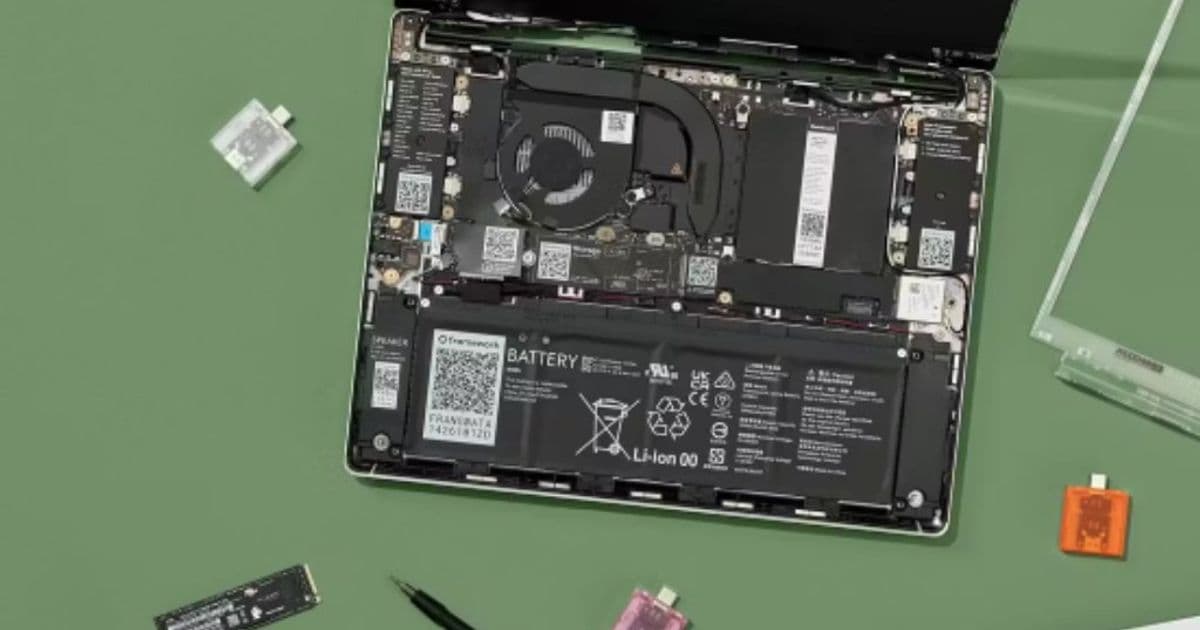
Framework Computer faces pricing adjustments as component costs fluctuate in the tech industry. While DDR5 memory prices remain stable, the company is forced to raise prices for SSDs as inventory from 2025 dries up and newer stock arrives at significantly higher costs.
Framework Adjusts Pricing Amid Component Volatility: DDR5 Stable, SSD Costs Surge
What's New
Framework Computer, the innovative laptop manufacturer known for its modular, upgradeable designs, has announced significant pricing adjustments across its product lineup. The company's latest blog update reveals a mixed landscape of component costs: while DDR5 memory prices have remained relatively stable, SSD costs have surged dramatically, forcing Framework to pass these increases on to consumers.
The pricing changes primarily affect Framework's Laptop 12, Laptop 13 Pro, and Laptop 16 models, with customers looking to upgrade storage or purchase new systems facing higher costs. The company explains that they've consumed their inventory of 8GB memory modules purchased at lower costs and must adjust pricing upward to reflect the costs of newly sourced modules. For other memory capacities, Framework has managed to hold prices steady from the previous month.
How It Compares
The component cost situation presents an interesting contrast between memory and storage technologies. While DDR5 memory prices have stabilized after initial volatility, the SSD market is experiencing a different trajectory entirely.
According to Framework's blog post, SSD prices—particularly M.2 NVMe drives rated at PCIe Gen 4 and Gen 5 speeds—have surged to triple or even quadruple their previous retail levels. This represents a significant market shift that directly impacts manufacturers like Framework who rely on these components for their systems.
To understand the magnitude of these changes, consider the price trajectory of popular Western Digital (now SanDisk) SSDs that Framework has historically used:
- Pre-2024 pricing: 1TB WD Black SN770 NVMe retailed for $100-$129
- Pre-2024 pricing: 1TB WD Black SN850X (without heatsink) retailed for $160
- Current market (2026): Used WD Black SN770 1TB costs approximately $200
- Current market (2026): WD Black SN850X 1TB hovers around $250 on Amazon
This dramatic price increase has forced Framework to adjust their pricing strategy. The company had been keeping storage prices "substantially below market" by selling modules from their 2025 inventory, but this cheaper stock is now depleted. For the current month, some prices reflect a weighted average of new and old inventory costs, but Framework expects to fully reprice next month as the older inventory is consumed across most capacities.
Who It's For
These price adjustments impact several groups of buyers differently:
New Framework Customers
Potential buyers looking to purchase a Framework laptop should be aware that the entry price point has increased, particularly for models with higher storage capacities. The modular nature of Framework's systems remains a compelling advantage for those who value longevity and upgradability, but the initial investment has become slightly higher.
Existing Framework Owners
Current Framework laptop owners benefit from the company's upgrade-friendly design philosophy. While component costs have risen globally, Framework's modular approach means users can upgrade individual components as needed, potentially spreading out the cost of improvements over time.
Industry Observers
The pricing situation reflects broader trends in the PC component market. Smaller manufacturers like Framework face unique challenges compared to larger companies with more purchasing power and inventory buffers. As Framework's Nirav Patel noted, "The price is what it is, unfortunately," highlighting how smaller companies have limited options but to pass supplier cost increases to consumers.
Value-Conscious Buyers
For buyers sensitive to price fluctuations, the current market presents a strategic opportunity. Framework's current pricing represents a transitional phase between old and new inventory costs. Purchasing before the full transition to new pricing (expected next month) might offer better value, though buyers should consider whether they need immediate upgrades or can wait for potentially better pricing in the future.
Market Context
The component cost fluctuations Framework is experiencing reflect broader industry trends. The transition to DDR5 memory has been accompanied by initial volatility, though prices appear to be stabilizing as production ramps up. Meanwhile, the SSD market continues to experience significant price pressure due to various factors including supply chain constraints, increased demand, and possibly strategic inventory management by manufacturers.
For Framework, these challenges come as the company continues to establish itself in the competitive laptop market. Their focus on repairability, upgradability, and sustainability differentiates them from traditional manufacturers, but the current component cost environment tests their ability to maintain competitive pricing while adhering to their design principles.
Looking ahead, Framework's ability to navigate these component cost challenges will be crucial for their growth trajectory. The company's transparent communication about pricing adjustments builds trust with customers, though the actual impact on sales remains to be seen.
For more information on Framework's current pricing and product lineup, visit their official blog and product pages.
Comments
Please log in or register to join the discussion