Framework's Nirav Patel warns that AI infrastructure demands are threatening consumer computing, as chip shortages and rising costs push personal devices toward 'walled gardens' while the company doubles down on repairable, upgradeable hardware.
Framework founder Nirav Patel has issued a stark warning about the future of personal computing, declaring that "personal computing as we know it is dead" in the face of unprecedented AI infrastructure demands that are consuming critical hardware components at an alarming rate.
The AI Infrastructure Gold Rush
The current AI boom has created a cascading hardware shortage that began with GPUs in 2023-2024, expanded to memory and storage chips by late 2025, and is now showing signs of affecting CPU availability. Data centers are demanding massive quantities of server processors to power AI agents, while simultaneously consuming enormous amounts of electricity that's straining power grids and driving up energy costs.
Patel's assessment points to a fundamental shift in the economics of computing. "The computer in the cloud has increasingly greater economic output than the computer in the hand," he explained. "This means that to the extent that there are constraints on the supply that feeds both, the cloud will win every time."
The Consumer Computing Crisis
The implications for average users are severe. As AI companies backed by massive investments continue their infrastructure buildout, consumers face rising prices for RAM and SSDs, with limited recourse against tech giants who control the supply chain. Patel describes this as the industry asking users to "own nothing and be happy," transforming computers from "a bicycle for the mind" into "the self-driving car that takes you directly to the destination."
This shift represents more than just higher prices—it threatens the very nature of personal computing. As resources become scarcer and more expensive, manufacturers may increasingly lock down hardware, eliminate upgrade paths, and push users toward subscription-based services and cloud-dependent workflows.
Framework's Counter-Strategy
Despite these challenges, Framework is doubling down on its mission to preserve user ownership and control. The company's announcement of its Framework [Next Gen] Event 2026 on April 21 serves as both a product preview and a manifesto: "As long as there is a person in the world who still wants to own their means of computation, we will be here to build the hardware that enables it."
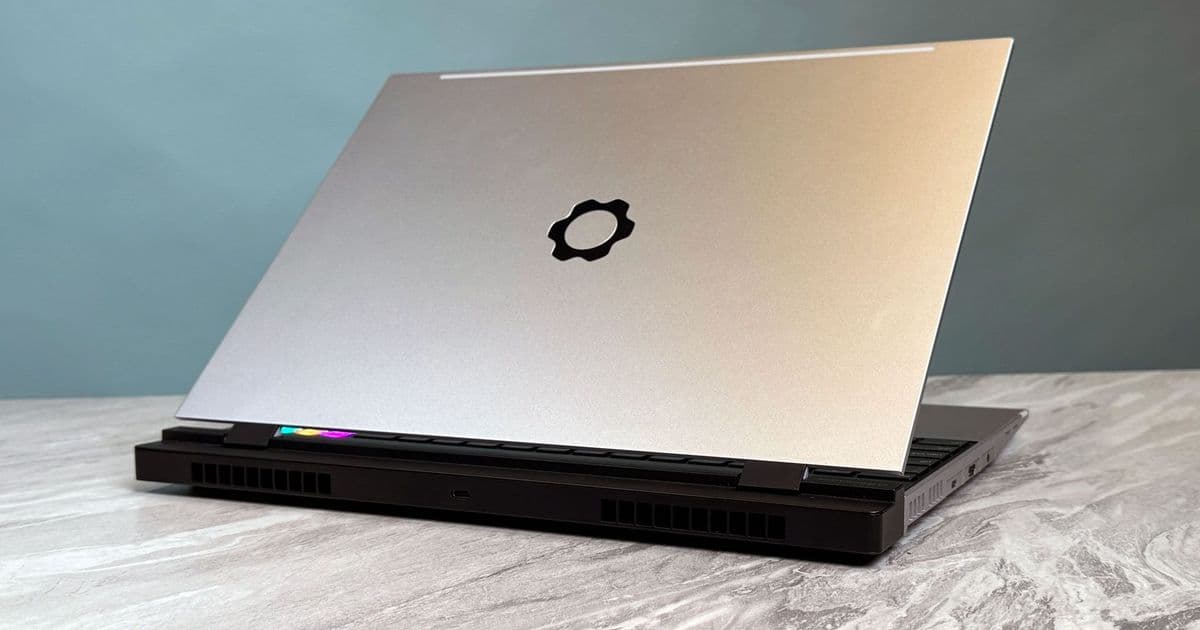
Framework's approach directly challenges industry trends toward non-repairable, non-upgradeable devices. Their laptops feature fully modular designs where users can upgrade memory, storage, GPUs, motherboards, and even displays. The Framework Laptop 16 (RTX 5070) demonstrates this philosophy in action, proving that laptop graphics cards can be upgraded—something Dell attempted with its Alienware Area-51m but failed to execute successfully.
Navigating the Shortage Landscape
While the entire computing industry grapples with component shortages and price volatility, Framework has taken a transparent approach by providing monthly updates to its community. This open communication helps users navigate the challenging hardware landscape while maintaining trust in the brand's commitment to user empowerment.
The company's stance represents a bet against the prevailing industry wind. While most manufacturers move toward sealed devices with planned obsolescence, Framework is investing in the infrastructure and supply chains necessary to support truly upgradeable hardware in an increasingly constrained market.
The Broader Implications
Patel's warning extends beyond just Framework's business model—it's a commentary on the future of digital autonomy. As computing resources concentrate in the hands of a few AI-focused corporations, the ability for individuals to own, modify, and control their computing devices becomes increasingly threatened.
The Framework founder's declaration that "personal computing as we know it is dead" may prove prescient if current trends continue. However, his company's commitment to fighting for a future where users can "own everything and be free" suggests that while the landscape is changing dramatically, there remains space for alternative approaches that prioritize user control over corporate convenience.
The coming years will likely determine whether personal computing evolves into something more restrictive and cloud-dependent, or whether companies like Framework can successfully preserve the principles of ownership and upgradeability that have defined the PC era. As Patel's warning makes clear, the outcome of this struggle will shape not just how we use computers, but who ultimately controls them.
Comments
Please log in or register to join the discussion