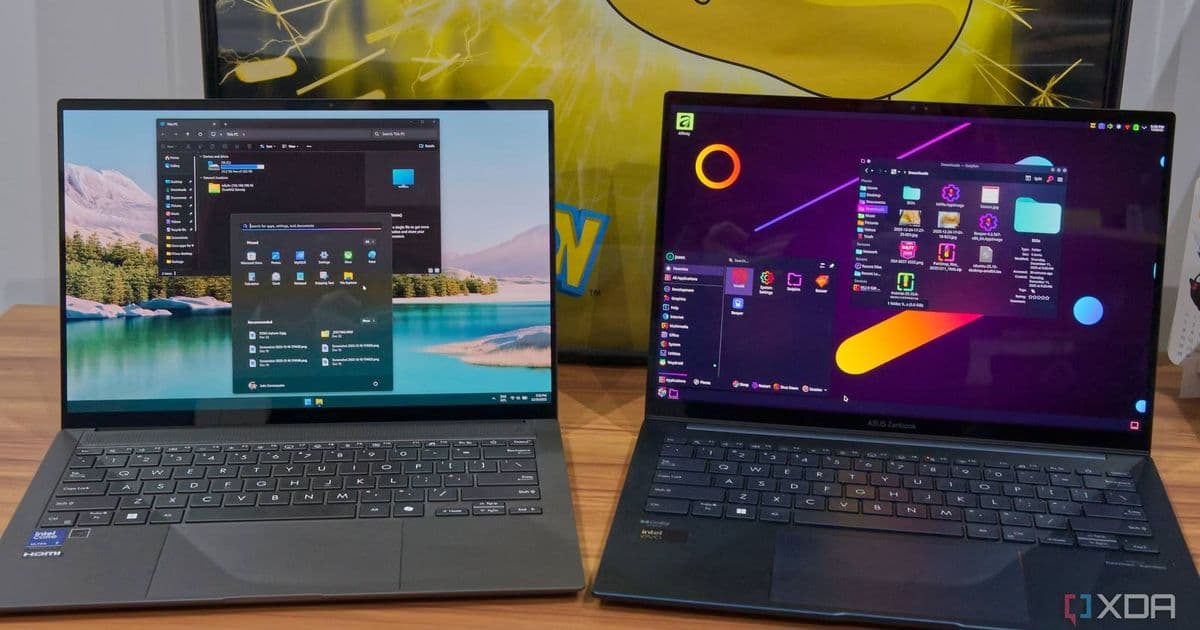
France's government is migrating away from Windows to Linux, citing US tech dependence as a strategic risk and aiming for greater digital sovereignty.
France's government has announced a major shift in its IT infrastructure, moving away from Microsoft Windows and toward Linux-based systems. The decision, framed as a strategic necessity, reflects growing concerns over technological dependence on US-based companies and the associated risks to national sovereignty. This move marks a significant step in France's efforts to assert greater control over its digital infrastructure and reduce reliance on foreign technology providers.
The Strategic Rationale Behind the Switch
The French government's decision is rooted in concerns about digital sovereignty. By relying heavily on Windows and other US-based technologies, France has been vulnerable to potential external pressures, whether political, economic, or security-related. The shift to Linux is seen as a way to mitigate these risks by using open-source software that can be audited, modified, and controlled domestically.
This move aligns with broader European efforts to reduce dependence on American tech giants. The European Union has been pushing for greater technological independence, and France's decision could serve as a catalyst for other member states to follow suit. The government has emphasized that this transition is not just about technology but about ensuring that critical infrastructure remains under national control.
Implementation and Timeline
While specific details about the migration timeline remain limited, reports suggest that the transition will occur in phases. Government agencies will likely begin with pilot programs to test Linux-based systems before rolling them out more broadly. The French administration has indicated that it will work closely with open-source communities and local technology firms to ensure a smooth transition.
The choice of Linux distributions and the extent of customization required for government use will be crucial factors in the success of this initiative. France has a history of supporting open-source software, with agencies like the National Gendarmerie already using Ubuntu-based systems. This experience could prove valuable in scaling up the migration across the entire government.
Implications for the Tech Industry
France's decision could have ripple effects across the global tech industry. For Microsoft, the loss of a major government client represents a significant setback, particularly in a market where it has long held dominance. The move could also encourage other governments to reevaluate their dependence on proprietary software and consider open-source alternatives.
For the open-source community, this is a major endorsement of Linux and related technologies. Government adoption often leads to increased investment, development, and standardization, which can benefit the broader ecosystem. Companies specializing in Linux support and services may see new opportunities as governments seek expertise in managing these transitions.
Challenges and Considerations
Migrating an entire government's IT infrastructure is no small feat. Compatibility issues, training requirements, and potential disruptions to services are all challenges that must be addressed. The French government will need to ensure that critical applications and systems continue to function seamlessly during and after the transition.
There's also the question of cost. While open-source software can reduce licensing fees, the expenses associated with migration, customization, and ongoing support can be substantial. The government will need to weigh these costs against the long-term benefits of increased autonomy and security.
A Broader Trend Toward Digital Sovereignty
France's move is part of a larger trend among nations seeking to assert control over their digital destinies. Countries like China, Russia, and Germany have also pursued strategies to reduce reliance on foreign technology, whether through developing domestic alternatives or promoting open-source solutions.
This shift reflects a growing awareness of the geopolitical implications of technology dependence. As digital infrastructure becomes increasingly critical to national security and economic stability, governments are recognizing the need to maintain control over their technological foundations.
Looking Ahead
The success of France's migration to Linux will be closely watched by governments and organizations worldwide. If successful, it could serve as a blueprint for others considering similar moves. Conversely, any significant challenges or setbacks could temper enthusiasm for such transitions.
For now, France's decision underscores a fundamental shift in how governments view their relationship with technology providers. It's a recognition that in an increasingly digital world, technological dependence is not just an economic issue but a matter of national sovereignty.
As the migration progresses, it will be important to monitor its impact on government efficiency, security, and international relations. The outcome could shape the future of public sector IT for years to come.
Sources:
Comments
Please log in or register to join the discussion