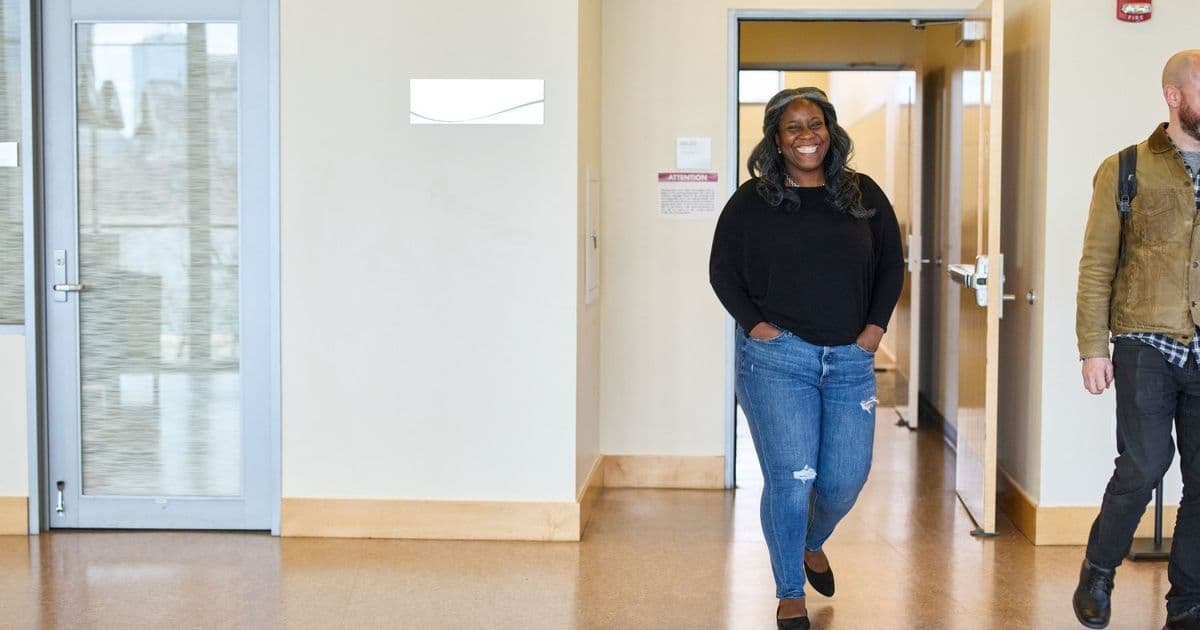
MIT Sloan Fellow Alecia Asiamigbe balances a rigorous MBA schedule with the launch of Resilient Grid, a venture that turns organic waste into renewable natural gas. Her day‑to‑day routine illustrates how MIT’s finance, leadership, and energy‑systems courses, combined with the Martin Trust Center’s support, translate research into a modular, dispatchable power solution for fuel‑import‑dependent markets.
From Classroom to Clean‑Energy Venture: Inside Alecia Asiamigbe’s MIT Sloan Journey
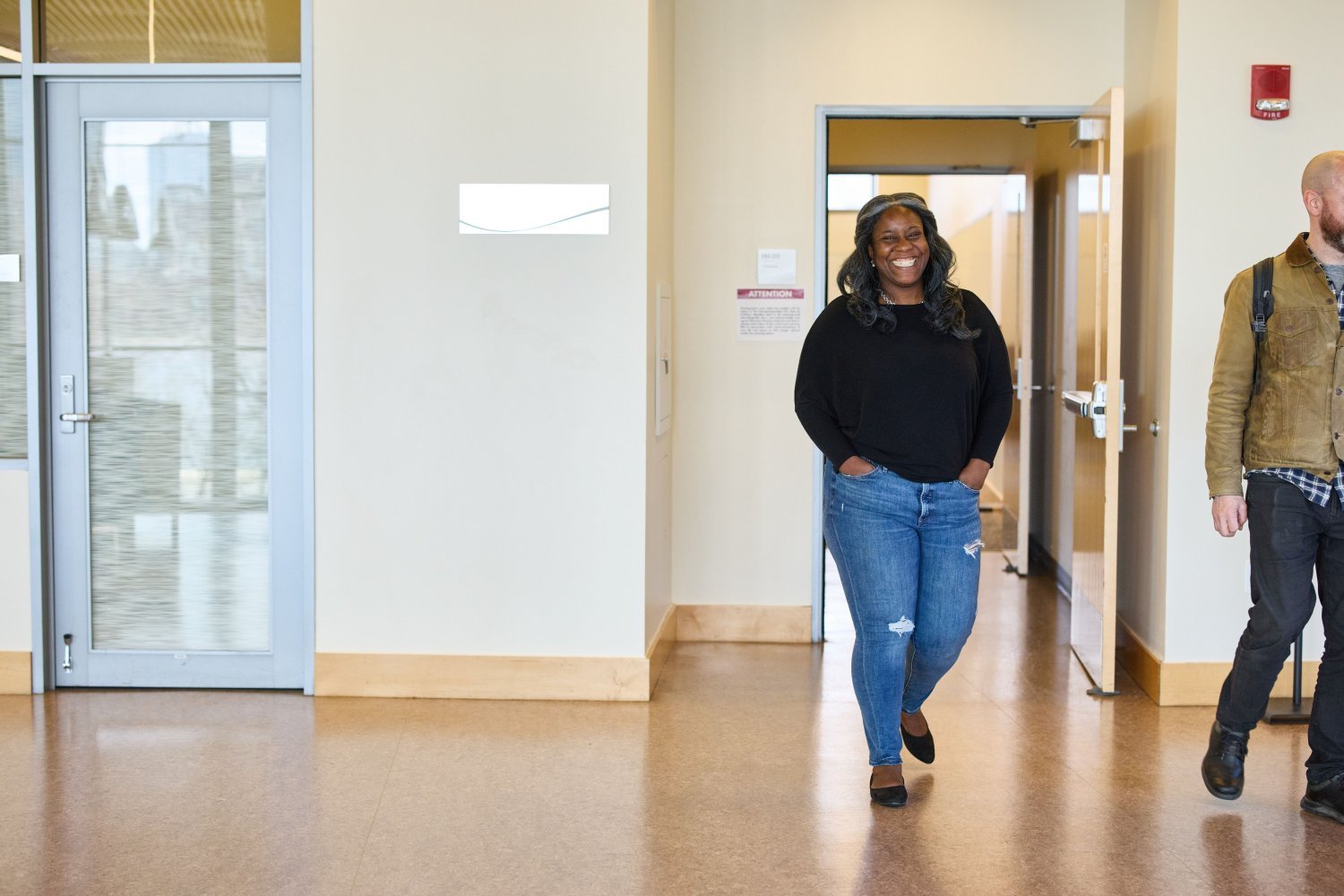 Featured image – Alecia Asiamigbe on campus, preparing for a day that blends study and startup work.
A research‑driven MBA
Alecia Asiamigbe arrived at MIT Sloan with two decades of experience delivering large‑scale energy infrastructure. The program’s emphasis on Disciplined Entrepreneurship and its deep sustainability focus gave her a clear path: earn an MBA in one year while building a venture that can reduce reliance on imported fuels.
Her schedule reflects a deliberate blend of theory and practice:
- Managerial Finance (10 a.m.) with Professor Taha Choukhmane – a crash course in capital allocation, cost of capital, and valuation methods that are directly applicable to fundraising for Resilient Grid.
- The Art of Leadership (1 p.m.) led by Wanda Orlikowski and Aithan Shapira – sessions that stress reflective practice, helping Alecia shape a leadership style suited for a multidisciplinary team.
- Models & Controls of Energy Systems (4 p.m.) – a technical deep‑dive into power‑grid dynamics, optimal dispatch, and the physics of gas‑turbine integration.
- Entrepreneurship 101 (4:30 p.m.) with Bill Aulet and Nina Teng – the framework for turning a problem statement into a minimum viable product, reinforced through peer‑driven study groups like Energy for Good.
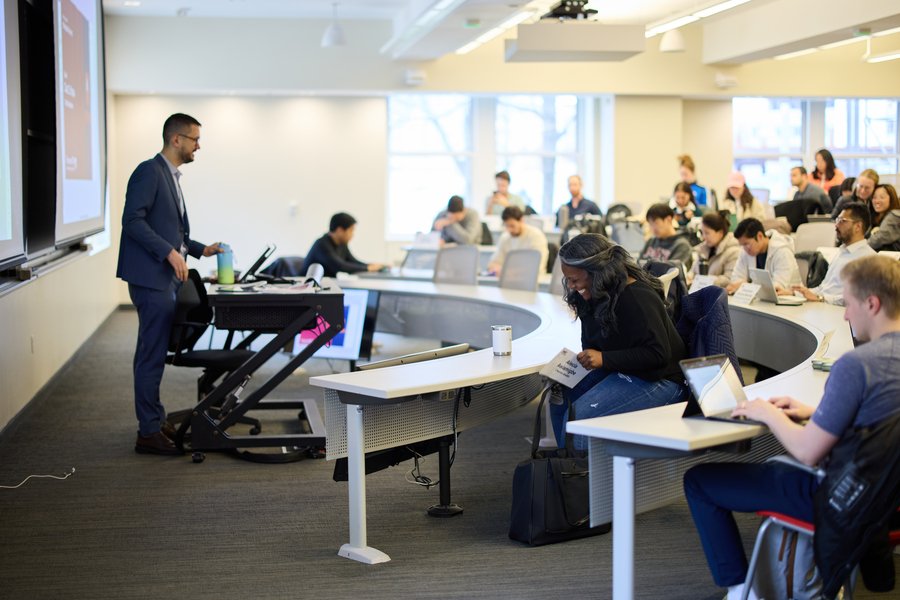 Professor Taha Choukhmane explains financial modeling to a packed class, a skill Alecia will use to size her modular plants.
The technical core of Resilient Grid
Resilient Grid targets a niche that many renewable projects overlook: dispatchable, carbon‑neutral baseload power for regions where solar and wind are intermittent and fuel imports dominate the energy mix. The venture’s technology stack consists of three tightly coupled components:
- Anaerobic Digestion Reactors – modular, container‑based units that accept mixed organic waste (food scraps, agricultural residues, municipal solid waste). The reactors operate at mesophilic temperatures (35‑40 °C), producing biogas with a typical methane concentration of 55‑65 %.
- Biogas Upgrading System – pressure‑swing adsorption (PSA) units remove CO₂ and trace contaminants, delivering pipeline‑grade renewable natural gas (RNG) at 99.9 % methane purity.
- Hybrid Power Generation – a combined‑cycle gas turbine sized to the plant’s output (5‑20 MW per module). The turbine can ramp within seconds, providing grid‑frequency support and peak‑shaving capability.
Why modularity matters
Traditional RNG projects are site‑specific and require large feedstock volumes, limiting deployment in emerging markets. Resilient Grid’s containerized design allows a plug‑and‑play approach: a community can start with a single 5 MW module and scale by stacking additional units as waste streams grow. This reduces upfront capital expenditures (CAPEX) by up to 40 % compared to conventional plants and shortens construction time from 18 months to under six.
Integration with existing grids
The energy‑systems coursework gives Alecia the tools to model grid‑level impacts. Using a linear programming framework, she can simulate how RNG‑driven turbines offset diesel generators, cut curtailment of renewables, and improve the system’s loss‑of‑load probability (LOLP). Early pilot simulations for a West African coastal city show a potential 15 % reduction in fuel import costs and a 12 % drop in CO₂ emissions within the first three years of operation.
The MIT ecosystem as an accelerator
Beyond classroom theory, the Martin Trust Center for MIT Entrepreneurship provides hands‑on resources:
- Mentorship from seasoned cleantech founders who help refine the business model and navigate regulatory hurdles.
- Sandbox labs where prototype reactors can be tested at the MIT Energy Initiative’s (MITEI) pilot plant, allowing rapid iteration on feedstock pretreatment and gas‑cleaning technologies.
- Funding pathways through the MIT Venture Mentoring Service, which connects Resilient Grid to early‑stage angel investors focused on climate tech.
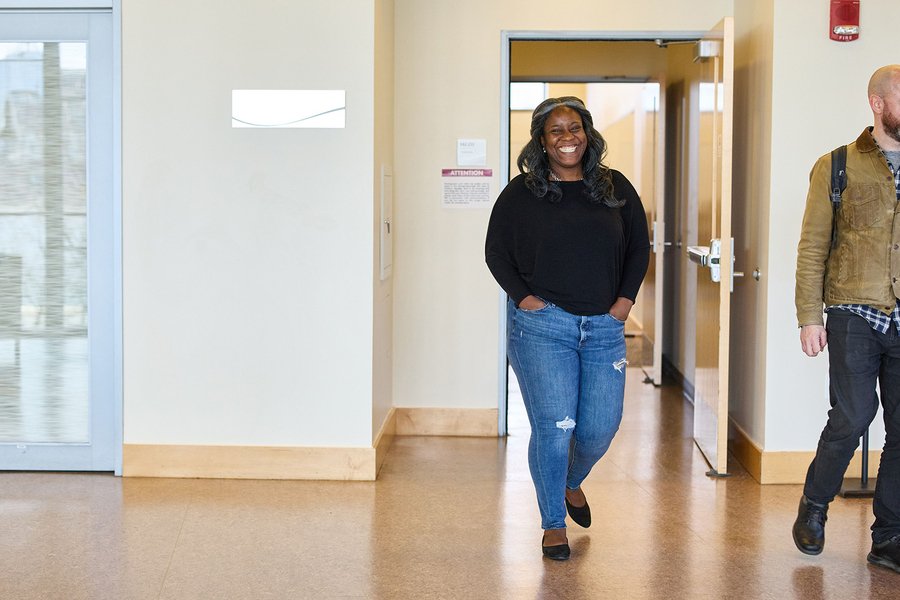 Alecia Asiamigbe walks through a hallway, reflecting on the collaborative atmosphere that fuels her venture.
Real‑world applicability and current limits
Resilient Grid’s promise is clear, yet several challenges remain:
| Challenge | Current Mitigation | Open Questions |
|---|---|---|
| Feedstock variability | Pre‑sorting protocols and robust reactor control algorithms (developed in the energy‑systems class) | How to maintain methane yield with highly heterogeneous waste? |
| Regulatory approval | Early engagement with local environmental agencies; leveraging MIT’s policy research network | Will RNG certification pathways be harmonized across target markets? |
| Capital intensity | Modular design lowers CAPEX; pilot financing through MIT’s $100k competition | What financing structures best align investor returns with long‑term sustainability goals? |
A day that bridges theory and impact
Alecia’s typical schedule illustrates the feedback loop between learning and building:
- Morning finance class → immediate application to cash‑flow modeling for a new 10 MW module.
- Midday team meeting → integration of technical data from the energy‑systems lab into the venture’s go‑to‑market strategy.
- Afternoon leadership session → refinement of team dynamics as the startup expands.
- Evening study group → peer review of a policy brief on RNG incentives for emerging economies.
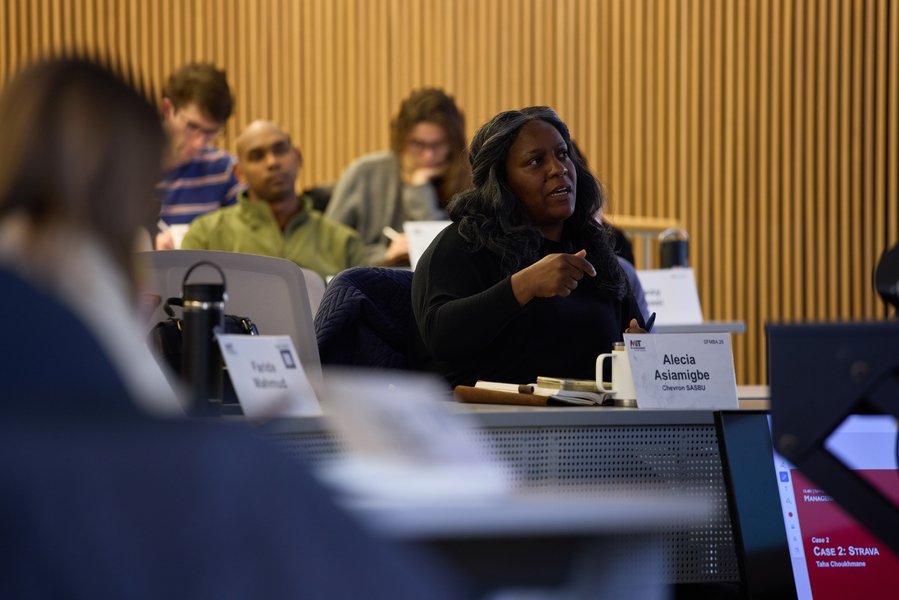 In a study group, Alecia and classmates brainstorm how to price renewable natural gas for low‑income consumers.
Looking ahead
Graduating this week, Alecia will transition from full‑time student to CEO of Resilient Grid. Her next milestones include:
- Deploying a pilot plant in partnership with a municipal waste authority in Kenya, leveraging MIT’s Africa‑focused sustainability initiatives.
- Securing a Series A round of $5 million to fund the first three modular units and the accompanying grid‑integration studies.
- Publishing a case study on the economic and environmental outcomes of RNG‑based dispatchable power, contributing to the broader academic‑industry dialogue on circular energy systems.
Alecia’s story underscores how a tightly structured MBA, enriched by technical electives and a vibrant entrepreneurship ecosystem, can accelerate the translation of research‑grade concepts into market‑ready solutions for a more resilient energy future.
Comments
Please log in or register to join the discussion