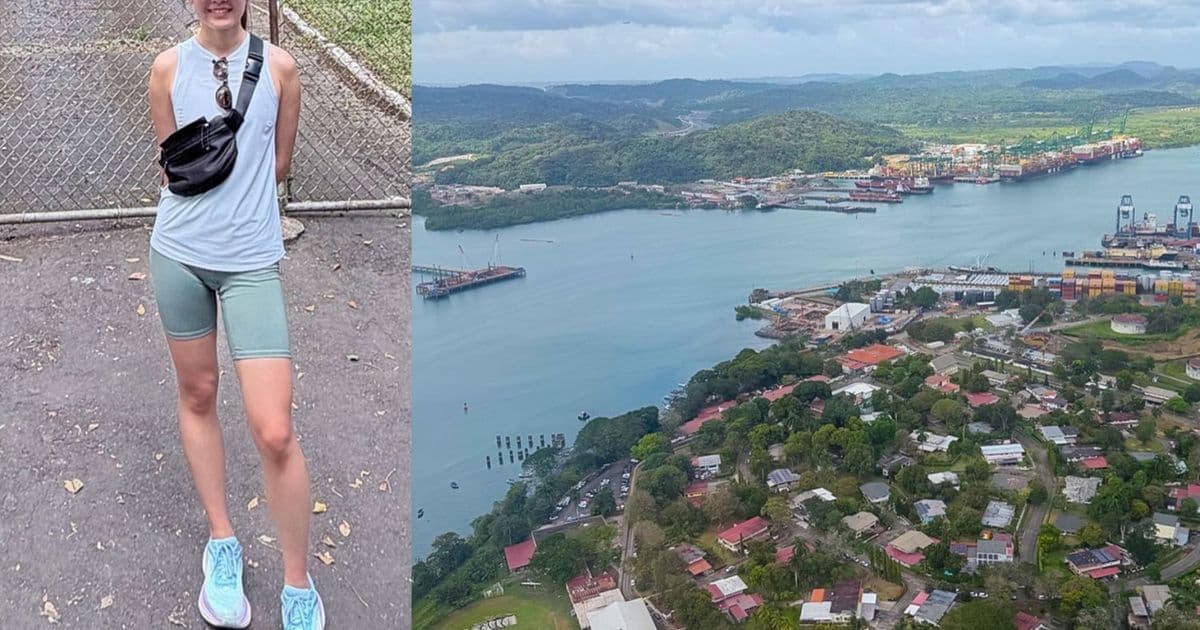
MIT Center for Real Estate student Cherry Tang's internship in Panama reveals how development projects must balance financial viability with community integration and environmental stewardship, challenging conventional real estate development approaches.
When Cherry Tang arrived in Panama for an internship with Conservatorio, a development firm based in Casco Viejo, she expected a straightforward project focused on financial modeling. What she discovered instead was a transformative experience that reshaped her understanding of real estate development as a complex system intersecting finance, environment, and community.
Santa Catalina: A Development Beyond Traditional Metrics
The project centered on Santa Catalina, a remote surf town on Panama's Pacific coast that, at first glance, didn't fit conventional real estate investment criteria. The town had limited infrastructure, low density, and no established commercial core. Yet it possessed unique assets that Conservatorio leveraged as the foundation for their development approach.
"What it does have is something powerful: world-class surf and access to Coiba National Park, a premier diving destination," Tang explains. "Here, the ocean becomes the anchor tenant."
The development comprises approximately 140 residential units across condos, villas, and homes, along with vacant lots, four retail spaces, a surf school with a stadium, and a restaurant with a pool. Rather than creating a self-contained resort, the project is designed as an open, walkable master-planned community that integrates with the existing town fabric. A 600-meter linear park serves as the centerpiece, positioning the development as the future heart of Santa Catalina.
Financial Modeling in Context: Beyond Institutional Frameworks
Tang's primary responsibility was constructing the project's financial model from the ground up. The capital structure presented unique challenges, with land contributed as equity and sales deposits funding construction—a departure from the institutional frameworks she had worked with in previous roles in Toronto and Boston.
"It was more than a technical exercise," Tang reflects. "It reinforced how financial, physical, and strategic decisions are deeply interconnected, and how thoughtful structuring can unlock projects that might otherwise not be feasible."
Working directly with KC Hardin, founder and CEO of Conservatorio, Tang gained exposure to real-time development decision-making. Her model became a living tool that informed conversations around phasing, design, and construction with leadership and prospective investors.
"Development is a feedback loop between underwriting and the built environment," Tang notes, highlighting how financial projections must remain flexible as development contexts evolve.
Environmental Integration: Learning from Ecosystems
A transformative aspect of Tang's experience was her engagement with environmental considerations. Through meetings with scientists from the Smithsonian Tropical Research Institute, Tang and her colleagues trekked through mangroves, gaining firsthand understanding of coastal ecosystems and the long-term environmental implications of development.
"It was a vivid reminder that development decisions don't exist in isolation," Tang emphasizes. "The financial model must account for environmental impacts that extend far beyond the property boundaries."
This environmental perspective added a critical dimension to the financial modeling process, requiring Tang to consider factors like stormwater management, habitat preservation, and climate resilience—elements not always prioritized in traditional development approaches.
Community as Stakeholder: Beyond Market Analysis
Perhaps the most significant shift in Tang's perspective came from understanding development through a community lens. She met with local developers, brokers, and families with long-standing ties to the area, learning about infrastructure improvements and ongoing real estate activity.
"Their coastline conservation work in Panama is deeply inspiring," Tang recalls of one family she met. "They've demonstrated how development and environmental stewardship can coexist when community members are actively engaged in the process."
Conservatorio's approach to revitalization in Casco Viejo further reinforced this lesson. Rather than displacing existing residents, the firm focused on deep engagement, trust-building, and creating pathways for local participation in the area's transformation.
"What stayed with me most was Conservatorio's approach to revitalization, not through displacement, but through deep engagement, trust-building, and creating pathways for local residents to be part of the area's transformation."
The Panama Canal Experience: Infrastructure as Development Context
Beyond the specific project, Tang's immersion in Panama provided broader context for understanding development within larger infrastructure systems. Experiences sailing through the Panama Canal and observing cargo ships passing through landscapes filled with monkeys and sloths offered tangible examples of how infrastructure shapes development possibilities.
Casco Viejo itself served as a living laboratory of community-oriented development. The neighborhood's preservation and revitalization demonstrated how historical context and cultural identity can be preserved while accommodating contemporary needs.
From Formula to System: A New Development Philosophy
By the end of her month-long internship, Tang experienced a fundamental shift in her perspective on real estate development.
"I began to see development less as a formula and more as a system," she explains. "One that sits at the intersection of finance, design, environment, and community."
This systems thinking represents a departure from conventional development approaches that often prioritize financial metrics above all other considerations. Tang's experience suggests that successful development requires balancing multiple, sometimes competing, objectives.
Practical Implications for Real Estate Education
Tang's journey from financial modeler to systems thinker offers valuable insights for real estate education and practice. The experience demonstrates the limitations of treating development as a purely technical exercise, divorced from its social and environmental contexts.
Her work with Conservatorio illustrates how development firms can create value through approaches that balance financial viability with community integration and environmental stewardship. The Santa Catalina project, anchored by surfing and diving rather than traditional resort amenities, represents a differentiated approach to place-making that leverages local assets rather than imposing generic solutions.
The Future of Development: Beyond Traditional Metrics
As real estate development faces increasing pressure to address climate change, social equity, and community well-being, Tang's experience offers a preview of where the field may be heading. The integration of financial modeling with environmental science and community engagement represents a more holistic approach to development.
"Value can be created in unconventional ways, and leadership in real estate is grounded in trust, curiosity, and a deep respect for place," Tang concludes. "I arrived in Panama to build a model. I left with a deeper understanding of what it means to build thoughtfully—as a developer, and as a steward of place."
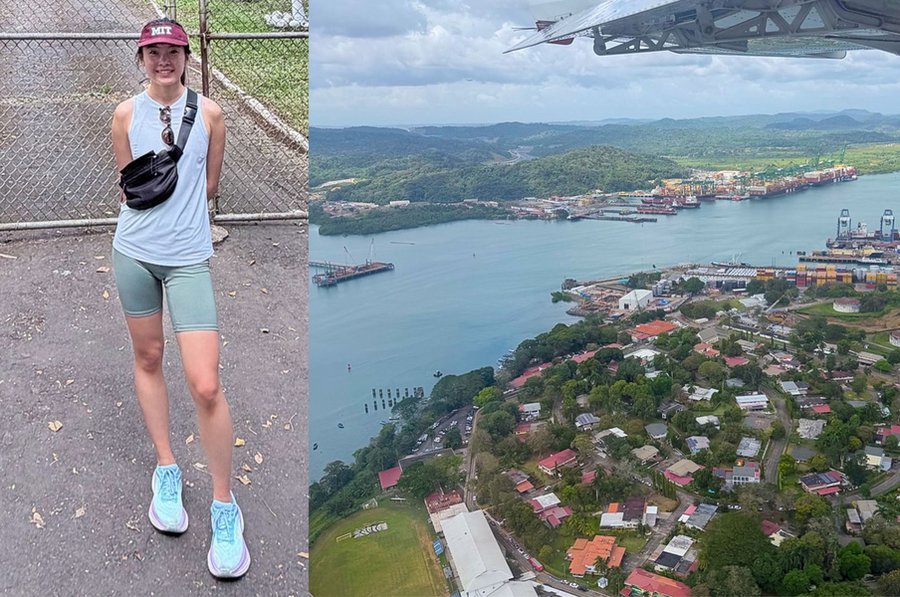
This transformation—from seeing development as a collection of discrete transactions to understanding it as an interconnected system—may be the most valuable lesson Tang brought back to her studies at MIT. As the real estate industry evolves to meet complex global challenges, this systems-oriented approach may become increasingly essential for creating developments that are not only financially viable but also socially and environmentally sustainable.
For more information about the MIT Center for Real Estate and its programs, visit their official website. To learn more about Conservatorio and their development approach, you can explore their project portfolio.
Comments
Please log in or register to join the discussion