
After 12 consecutive years as a Microsoft MVP, Tao Yang has transitioned to a full-time role at Microsoft Australia, marking the end of his MVP tenure. His journey highlights the evolving relationship between community contributors and the tech giant, offering insights into career progression and the changing dynamics of cloud expertise.
Tao Yang's announcement that he is retiring from the Microsoft MVP program after 12 consecutive years marks a significant milestone not just for his personal career, but for the broader ecosystem of cloud and datacenter professionals who contribute to the community. His transition to a full-time role at Microsoft Australia underscores a common trajectory for many long-term MVPs: leveraging deep community expertise into a formal position within the company.
The 12-Year MVP Tenure: A Testament to Sustained Contribution
Yang's journey began 12 years ago, after four years of blogging and contributing to the Microsoft tech community. His initial goal was modest: maintain MVP status for at least five years. He exceeded that, setting a new personal goal to fill the available space on his MVP trophy with annual renewal discs—a goal he has now accomplished. This longevity is notable in the cloud and datacenter space, where technologies evolve rapidly and staying relevant requires continuous learning.
During his tenure, Yang contributed through multiple channels: speaking at conferences and user groups, writing articles, creating YouTube videos, authoring books, and providing direct feedback to Microsoft product groups. This multifaceted approach is characteristic of successful cloud strategists who blend technical depth with community engagement. His work likely covered areas such as Azure infrastructure, hybrid cloud management, and datacenter operations—core components of modern multi-cloud strategies.
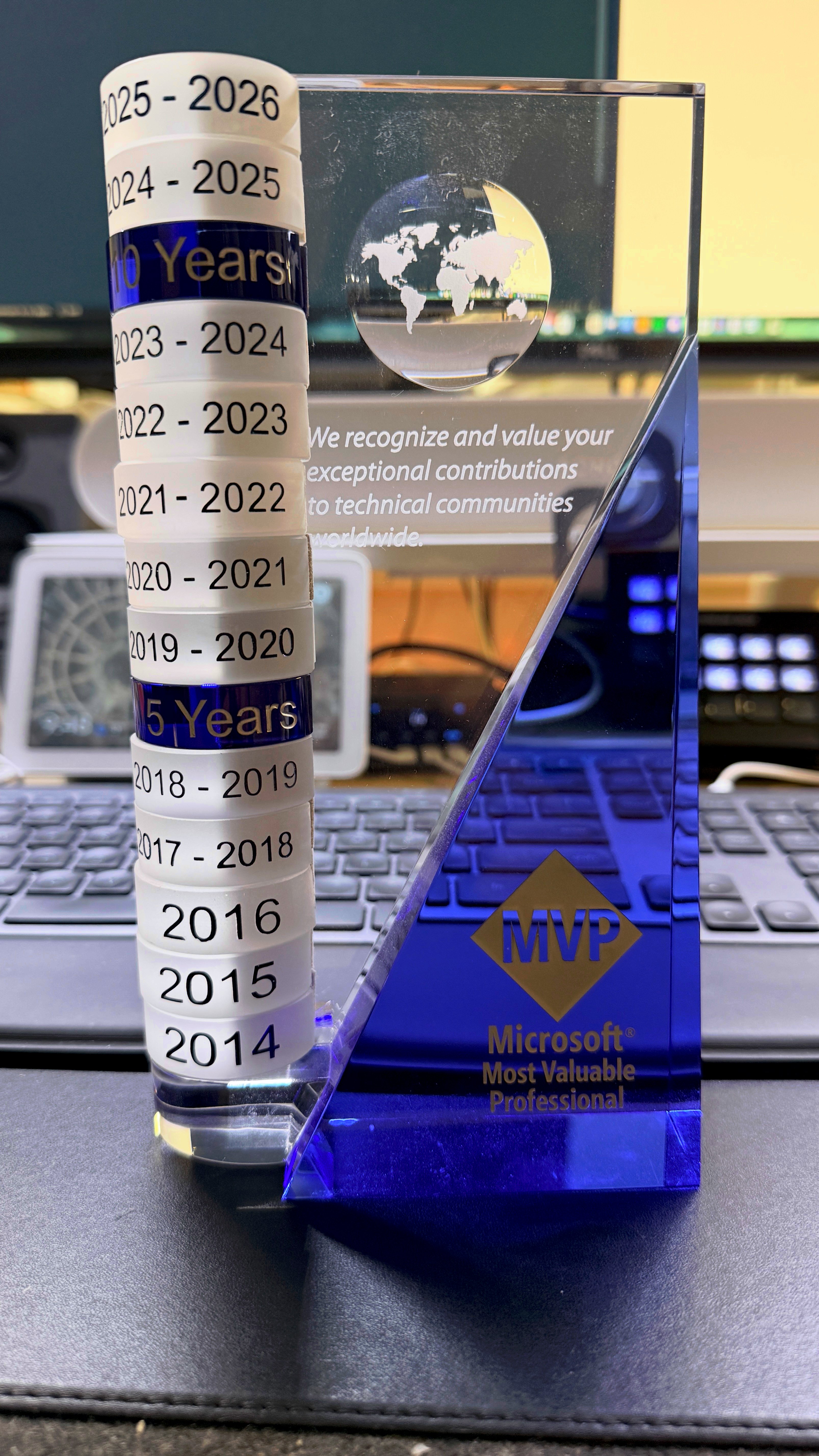
The MVP Program: A Platform for Strategic Influence
The Microsoft MVP program recognizes individuals who demonstrate exceptional technical expertise and community leadership. For cloud professionals, it serves as a critical platform for influencing product development and sharing best practices. Yang's experience highlights how MVPs bridge the gap between Microsoft product teams and the broader user base, providing feedback that shapes tools like Azure Arc, Azure Stack, and hybrid cloud management solutions.
For cloud consultants and strategists, the MVP network offers unparalleled access to insights on pricing models, migration pathways, and provider comparisons. Yang's interactions with fellow MVPs and Microsoft product groups would have provided him with early visibility into updates that affect multi-cloud strategies, such as Azure's pricing changes or new hybrid capabilities. This insider perspective is invaluable for businesses evaluating cloud providers and planning migrations.
The Transition: From Community Advocate to Microsoft Employee
Yang's acceptance of a full-time role at Microsoft Australia in November last year, followed by his retirement from the MVP program, reflects a common career progression. Microsoft's policy prohibits current employees from holding MVP status, as their role shifts from independent community advocate to internal employee. This transition is significant for the cloud community, as it means Yang's contributions will now come from within Microsoft's walls rather than as an external voice.
For the broader tech community, this shift raises questions about how former MVPs influence product development once they join Microsoft. While they may lose the independent MVP platform, they gain direct access to engineering teams and strategic planning. This can lead to more informed product decisions, but it also changes the nature of their community engagement. Yang has stated he will continue to be active in the tech community, albeit in a different capacity—a promise that many former MVPs uphold, often through internal advocacy for user needs.
Business Impact: What This Means for Cloud Strategies
Yang's journey offers lessons for cloud professionals and businesses:
Community Engagement as Career Capital: His 12-year MVP tenure demonstrates how consistent community contribution can build a reputation that opens doors to roles at major tech companies. For cloud consultants, this underscores the value of sharing knowledge through blogs, talks, and open-source projects.
The Value of Long-Term Relationships: Yang's emphasis on friendships within the MVP community highlights the network's strategic value. For businesses, these relationships can facilitate partnerships, knowledge sharing, and access to expertise during complex migrations or multi-cloud deployments.
Evolution of Expertise: As Yang moves from MVP to Microsoft employee, his expertise will now be applied internally. This could influence Azure's development in areas like datacenter management and hybrid cloud, potentially benefiting users who rely on these services.
Provider Comparison Insights: While Yang's work focused on Microsoft technologies, his community interactions likely exposed him to comparisons with other cloud providers like AWS and Google Cloud. His internal role may allow him to contribute to making Azure more competitive in multi-cloud scenarios.
Looking Ahead: The Future of Community Contribution
Yang's retirement from the MVP program is not an end but a transformation. As a Microsoft employee, he will likely contribute to cloud and datacenter strategies from within, potentially shaping the tools that cloud professionals use daily. For the community, his departure is a reminder of the dynamic relationship between independent contributors and the companies they support.
For those in the cloud space, Yang's journey serves as a blueprint: start by contributing to the community, build expertise, and leverage that reputation for opportunities—whether within a company like Microsoft or as an independent consultant. His story reinforces that in the cloud ecosystem, sustained contribution and strategic networking are as critical as technical skills.
As the cloud landscape continues to evolve, the paths that professionals like Tao Yang take will continue to shape how businesses approach multi-cloud strategies, provider comparisons, and migration considerations. His transition is a case study in how community engagement can lead to deeper involvement in the industry's future.
For more on Tao Yang's work and insights, you can follow his blog and LinkedIn profile.
Comments
Please log in or register to join the discussion