Chinese comedy has shifted from collective, moralistic performances like CCTV Gala sketches to individualistic, confessional styles on digital platforms. This transformation reflects deeper societal changes: the fragmentation of shared values, the rise of urban youth identity, and new forms of community built through emotional recognition rather than geographic proximity.
Introduction: Where the Laughter Turned
Over the past decade, comedy in China has undergone a fundamental transformation. For years, the nation's shared laughter was curated by the annual CCTV Spring Festival Gala, where icons like Zhao Benshan and Song Dandan delivered Xiaopin (the Gala Sketch) and Xiangsheng (cross talk). These acts, rich in allegory and regional flair, reinforced collective values—family, honesty, social harmony—serving as a top-down, ceremonial unifier.
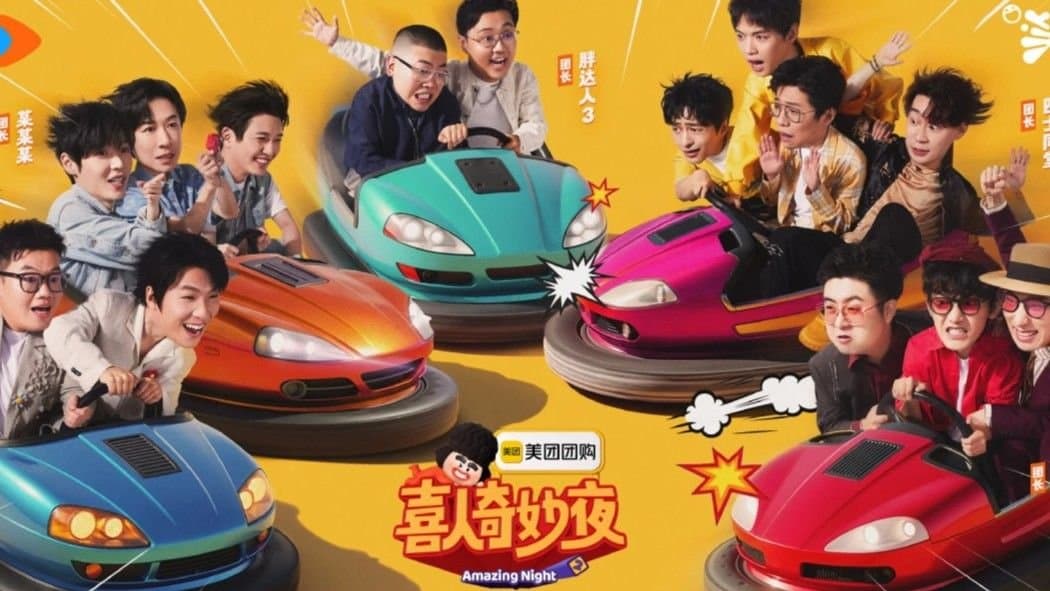
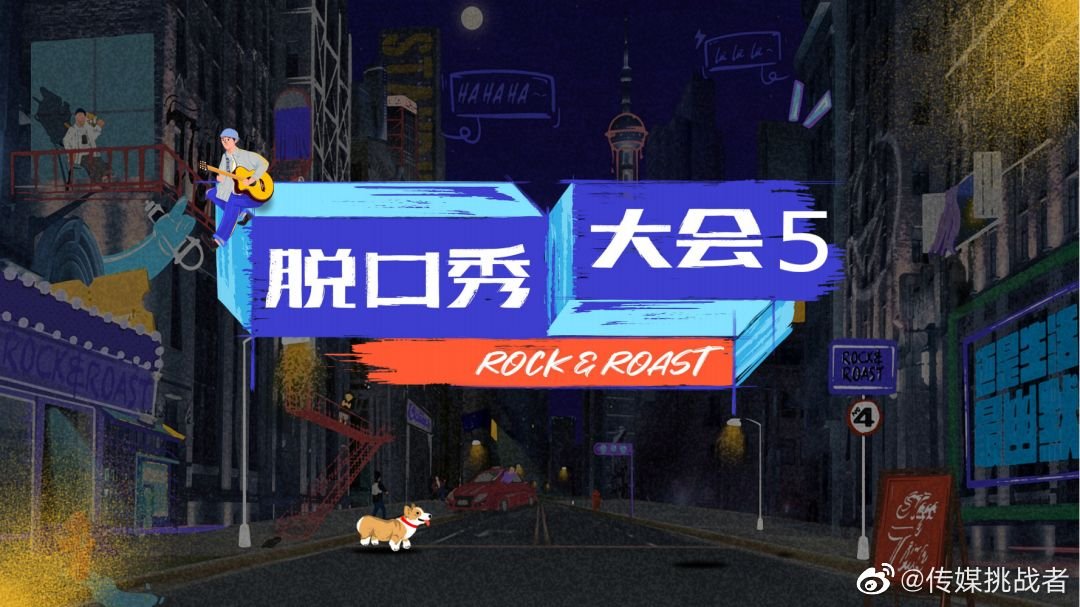
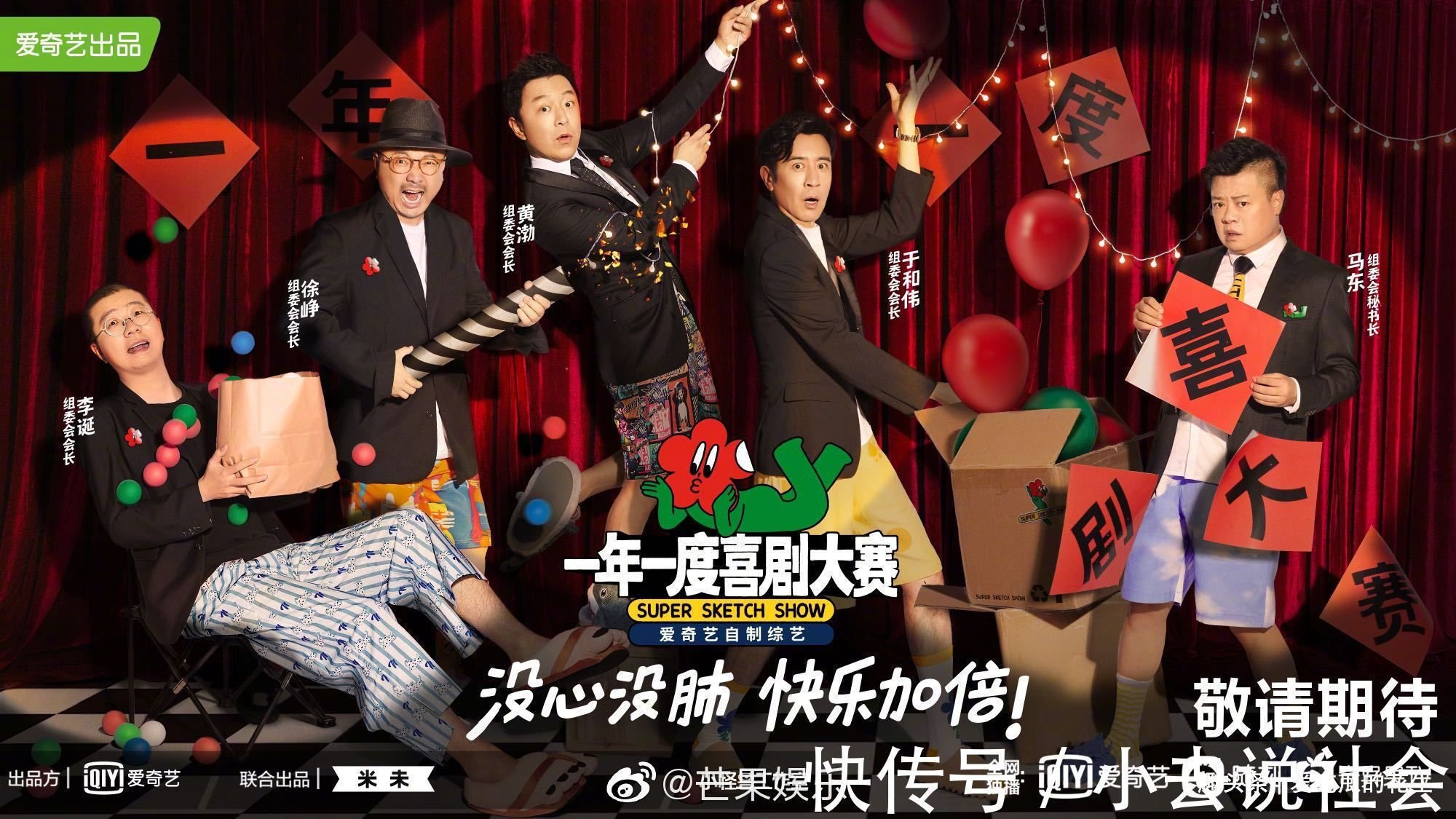
Today, the source of laughter has fragmented and moved online. Younger audiences now gravitate toward digital variety shows like "Yearly Comedy Competition" and "Rock & Roast" (a stand-up comedy competition show). Here, contemporary sketch comedy, manzai (a Japanese two-person format), and stand-up dissect workplace burnout, social anxiety, and personal identity. This shift from "comedy for everyone" to "comedy for people like me" is more than an aesthetic change. It reflects profound generational turnover, the rise of individual consciousness, and new patterns of cultural consumption in a digital China.
The New Comedy Boom: Where Form, Emotion, and Timing Converge
Global Formats, Local Souls
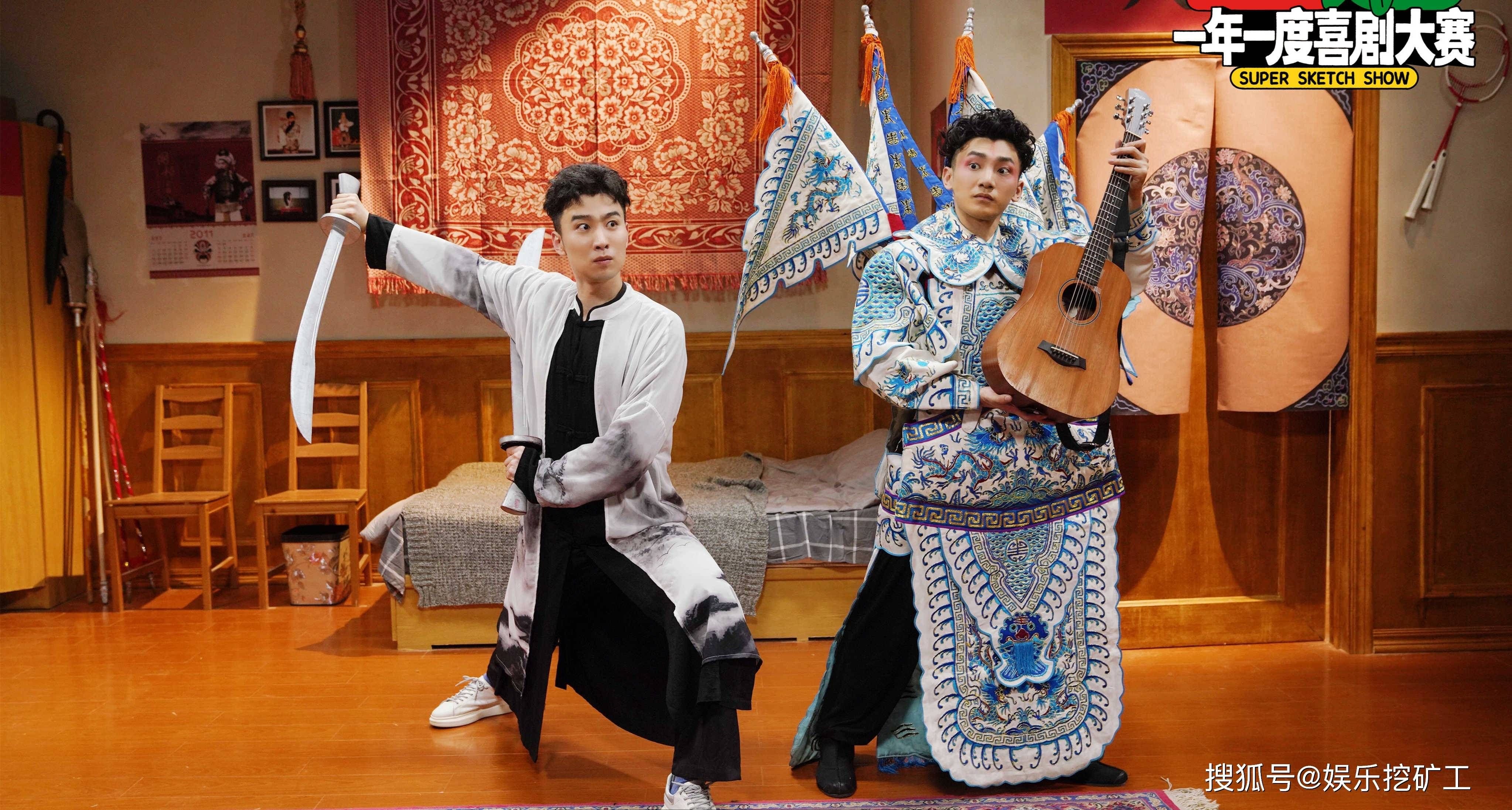
The rise of new comedy marks a renewal of China's comedic vocabulary. The show "Yearly Comedy Competition" was instrumental in systematically introducing sketch comedy—a fast-paced, premise-driven form long established in the West. However, purely structural, Western-style sketches often failed to resonate fully. The breakthrough came from fusion: grafting global forms onto distinctly Chinese emotional cores.
The trajectory of Jiang Long and Zhang Chi, champions of the show's first season, exemplifies this. They began with tightly structured sketches like "This Killer Is Not So Cold," but their most acclaimed works, such as "The Last Lesson" and "Ten Years of Practice Offstage," wove deep themes of artistic perseverance, dignity, and regret into the comic framework. This "Western form, Chinese spirit" hybrid reveals a key audience preference: intellectual wit must ultimately anchor itself in emotional recognition. It showcases a generation of creators adept at digesting and reinventing global cultural languages.
A Content Revolution: From Grand Narratives to Life Slices
Thematically, comedy has shifted decisively from the abstract to the intimate. Gone are broad tales about "social conduct." In their place are precise, surgical incisions into the daily life of urban youth.
In "Yearly Comedy Competition," a sketch like "Fragility in the Dark" captures the modern professional's double life: performative optimism by day, private collapse by night. "Goodbye, Old Zhang" explores filial regret through a fantastical premise. On "Rock & Roast," comedians tackle "involution" (the intense, futile competition for social advancement), the loneliness of urban drift, parental pressure, and smartphone addiction.
These works offer no solutions or moral judgments. Their core function is validation and empathy. The message is powerful in its simplicity: Your struggle is seen. You are not alone. This signifies a fundamental shift in the performer-audience dynamic. The traditional comedian was a storyteller or instructor; the new comedian acts as a mouthpiece or mirror, channeling collective vulnerability through personal confession.
Why It Took Off: Social Mood Meets Media Change
This comedic explosion is a product of societal and technological convergence. China's post-high-growth era has led to intensified competition and pressure, crystallized in buzzwords like "lying flat" (rejecting relentless striving). Comedy now often validates reality rather than offering escape.
Digitally, online platforms have revolutionized production and distribution. Algorithmic targeting and social sharing allow a niche sketch to go viral overnight, building communities around shared humor. Audiences don't just watch; they quote, meme, and repurpose punchlines, turning comedy into active social currency and a marker of identity.
Echoes of Tradition: When Old and New Logics Collide
The Logic of Traditional Comedy: Collective Allegory
To grasp the new, one must contrast it with the old. Traditional xiangsheng and xiaopin operated as collective allegories. A classic like Zhao Benshan's "The Crutch Seller" series follows a clear moral grammar: present a negative archetype (the conman), depict the social chaos he causes, and resolve by reaffirming a shared value (honesty). Performance was rooted in strict apprenticeship and codified technique. Audiences appreciated the mastery of tradition as much as the joke itself.
Socially, especially on the Spring Festival Gala, its function was integration and education, using humor to reinforce familial and social harmony.
The Logic of New Comedy: Expression of the Self
The new forms invert this logic, centering on personal experience. Sketch comedy revolves around a single comic "game" or premise, escalated to absurdity—like "The Internet Check-up," which dramatizes annoying pop-up ads, aiming not to solve but to cathartically exaggerate a shared annoyance.
Stand-up comedy pushes individuality further. Comedians like Li Xueqin (building a persona around being an "overeducated" hometown returner) or Xu Zhisheng (mining his appearance for humor) turn personal traits into comedic capital. Manzai, in its Chinese adaptation, often features two peers in equal predicament, bonding through mutual complaint—a reflection of egalitarian youth relationships.
What the Shift Reveals: A Changing Social Fabric
This evolution—from moral instruction to emotional companionship—mirrors a broader societal transformation. As moral consensus has fragmented, comedy that tries to speak to "everyone" often connects with no one. New comedy succeeds through specificity, forging deep bonds with targeted demographics like urban professionals.
It also reflects a shift in cultural authority. The revered "master" has been supplemented by the relatable "peer." This aligns with younger generations' preference for authenticity and horizontal relationships over hierarchical instruction.
Diverging Stages: Chinese and American Stand-Up Compared
China's Inward, Relational Focus
Mainstream Chinese stand-up, shaped by competitive variety shows, is markedly inward-looking. Its topics orbit the private sphere: workplace exhaustion ("996" work culture), generational conflict, romantic friction, and personal anxiety. Self-deprecation is the dominant and safest mode. Comedians master the art of transforming potential social critique into narratives of personal failing or awkwardness. The "edge" is carefully managed, with satire typically directed at safe, relatable targets like one's own family or harmless daily frustrations.
America's Outward, Critical Tradition
American stand-up is steeped in a tradition of outward-facing critique and civic engagement. From Richard Pryor on race to George Carlin on religion and politics, to contemporaries like Dave Chappelle, the form often positions the comedian as a social commentator or provocateur. Confrontation with power, taboo topics, and political polarization is central to its ethos, rooted in norms of free speech and a history of club culture as a public forum.
Roots of the Divide: Society and Ecosystem
This divergence stems from deep-seated differences. China's dominant anxieties are often developmental and personal—navigating slowed mobility and intense competition—making comedy a vital pressure valve. America's tensions are more frequently structural and ideological, making comedy a battleground for cultural wars.
The ecosystems reinforce this. In China, stand-up was largely accelerated by televised competitions ("Rock & Roast"), which incentivize relatable, broadcast-safe content. In the U.S., a more diversified ecosystem of clubs, tours, streaming specials, and podcasts supports a wider range of voices and risks.
Reading the Social Script: What Comedy's Transformation Tells Us
The "Individual" Takes Center Stage
This comedic journey traces the historic descent of social subjectivity in China—from the abstract collective to the concrete individual. The protagonists are no longer archetypal farmers or workers but anonymized urban youth, their struggles defined not by class but by universal existential pressures. Comedy has become a primary arena for negotiating modern selfhood.
New Blueprints for Social Connection
In an atomized society where traditional community ties have weakened, new comedy builds lightweight, affective communities. It forges connection not through shared geography or kinship, but through shared emotional resonance. The collective laugh at a joke about overtime is a temporary but potent ritual of belonging, suited for a mobile, digital age.
A New, Fluid Cultural Confidence
This generation exhibits a relaxed, pragmatic cultural confidence. They seamlessly employ global comedic grammar—sketch structures, stand-up pacing—while filling it with hyper-local content. This is neither defensive traditionalism nor wholesale imitation, but a confident vernacularization of global forms. It reflects the identity of a generation raised during China's rise: globally aware yet locally rooted.
Comedy as an Emotional Archive
Ultimately, the evolution of comedy serves as an unmatched emotional archive. The 1990s skewered market-era dishonesty, the 2000s mocked bureaucracy, and today's comedy grapples with the anxieties of individual agency under pressure. This arc maps China's path from collective survival to the complex pursuit of personal fulfillment. In an age of uncertainty, humor has become less an escape and more a crucial tool for sense-making and psychological resilience.
Conclusion: An Unfinished Conversation
China's quiet comedy revolution, from collective ritual to individual resonance, remains a live conversation. Its future raises compelling questions: Can creative dialogues emerge between old masters and new voices? Can personal storytelling deepen into broader social insight without losing its intimate power? And how will this distinctly Chinese comedic sensibility engage in global discourse?
Whatever direction it takes, comedy, as society's most sensitive nerve ending, will continue to record and shape the emotional life of the nation. The laughter echoing from phone screens and niche theaters today is writing the most human and insightful footnote to this era of profound change in China.
Comments
Please log in or register to join the discussion