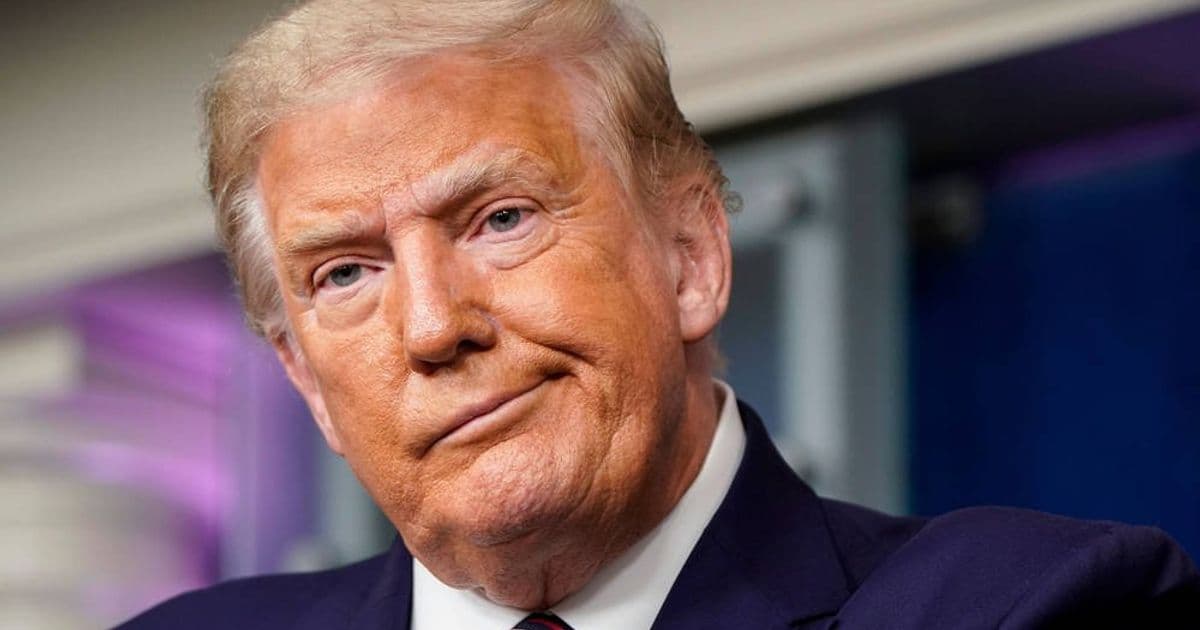
Lawmakers led by Senator Elizabeth Warren call for FTC investigation into Trump Mobile's failure to ship promised gold smartphones and misleading 'Made in USA' claims, testing the commission's independence amid executive branch interference.
Senator Elizabeth Warren and bipartisan lawmakers have formally requested the Federal Trade Commission (FTC) to investigate Trump Mobile for potentially deceptive marketing practices. The urgent demand focuses on two primary concerns: the company's repeated failure to deliver promised smartphones after collecting customer deposits, and misleading claims about domestic manufacturing that violate FTC standards.
Regulatory Action: The Core Allegations
The proposed FTC probe centers on Trump Mobile's handling of pre-orders for its T1 smartphone. Customers paid $100 deposits starting August 2025 with promised delivery dates that shifted from August to November, then December. As of January 2026, no devices have shipped despite ongoing pre-order sales. Simultaneously, the company markets refurbished Apple/Samsung devices and its "47 Plan" cellular service ($47.45/month), creating potential consumer confusion about product availability.
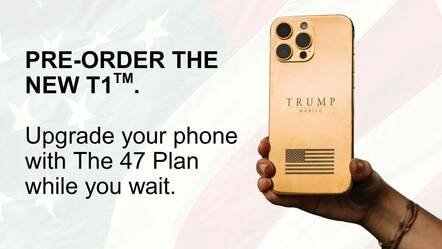
A second focal point involves manufacturing claims. Trump Mobile initially advertised the T1 as "Made in the USA"—a term requiring strict FTC compliance regarding domestic content and assembly. These claims were abruptly removed from the website in late June 2025, replaced by ambiguous phrases like "American-Proud Design" and "brought to life right here in the USA." Experts note US smartphone manufacturing is impractical due to infrastructure gaps, making original claims potentially fraudulent. The lawmakers' letter (PDF available here) details these violations.
Compliance Requirements: Legal Thresholds
For "Made in USA" labeling, the FTC mandates that "all or virtually all" manufacturing occur domestically, including sourcing and assembly. Violations carry civil penalties of up to $50,120 per offense. Regarding pre-orders, the FTC's Mail Order Rule requires shipment within advertised timeframes (or 30 days if unspecified), with mandatory delay notices and refund options—standards Trump Mobile appears to have breached.
Compliance Timeline and Broader Implications
Lawmakers demand FTC response by February 15, 2026, framing this as a "critical test of the commission's independence." This follows February 2025 executive orders granting presidential control over independent agencies' budgets and policy approvals. The FTC's independence was further compromised by the removal of Commissioner Rebecca Kelly Slaughter, currently under Supreme Court review in Slaughter v. USA. The ruling on presidential removal authority could redefine regulatory autonomy.
The investigation's outcome will signal whether consumer protection statutes can withstand political pressure. Consumers who paid deposits should document communications and file complaints via the FTC's Consumer Complaint Portal. Companies making domestic origin claims must immediately audit supply chains against FTC guidelines to avoid similar scrutiny.
Comments
Please log in or register to join the discussion