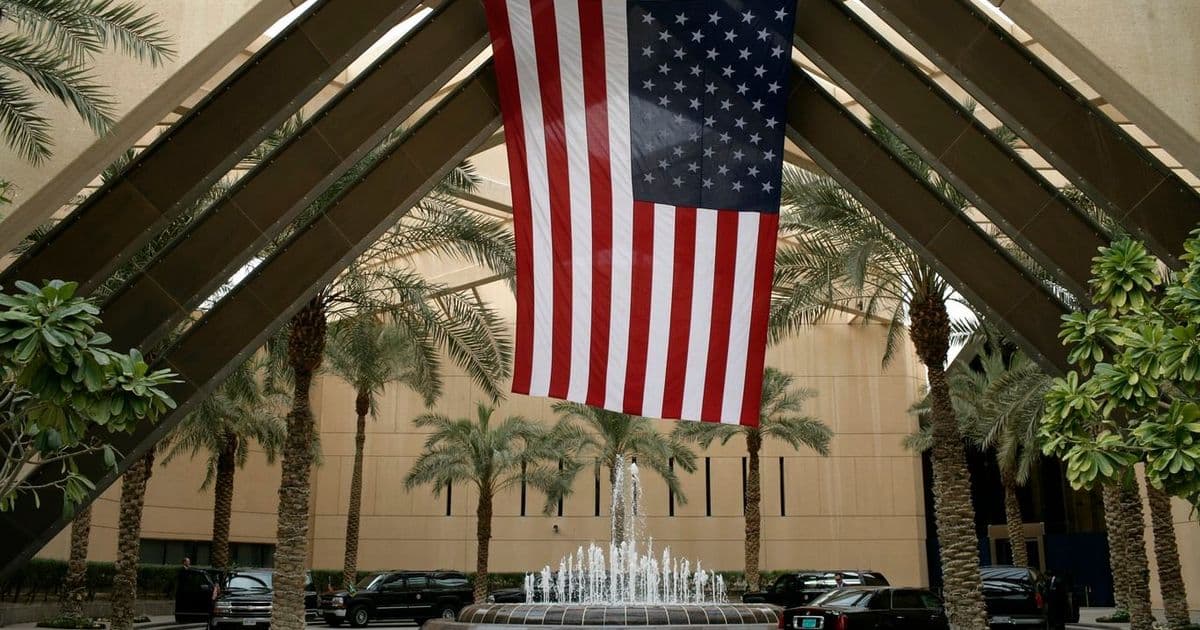
The US Embassy in Riyadh was struck by drones in a coordinated attack, according to Saudi officials, raising tensions in the region as fallout from Iran's recent actions continues to unfold.
The US Embassy in Riyadh, Saudi Arabia, was struck by drones in a coordinated attack early Wednesday morning, according to Saudi security officials, marking a significant escalation in regional tensions following recent Iranian provocations.
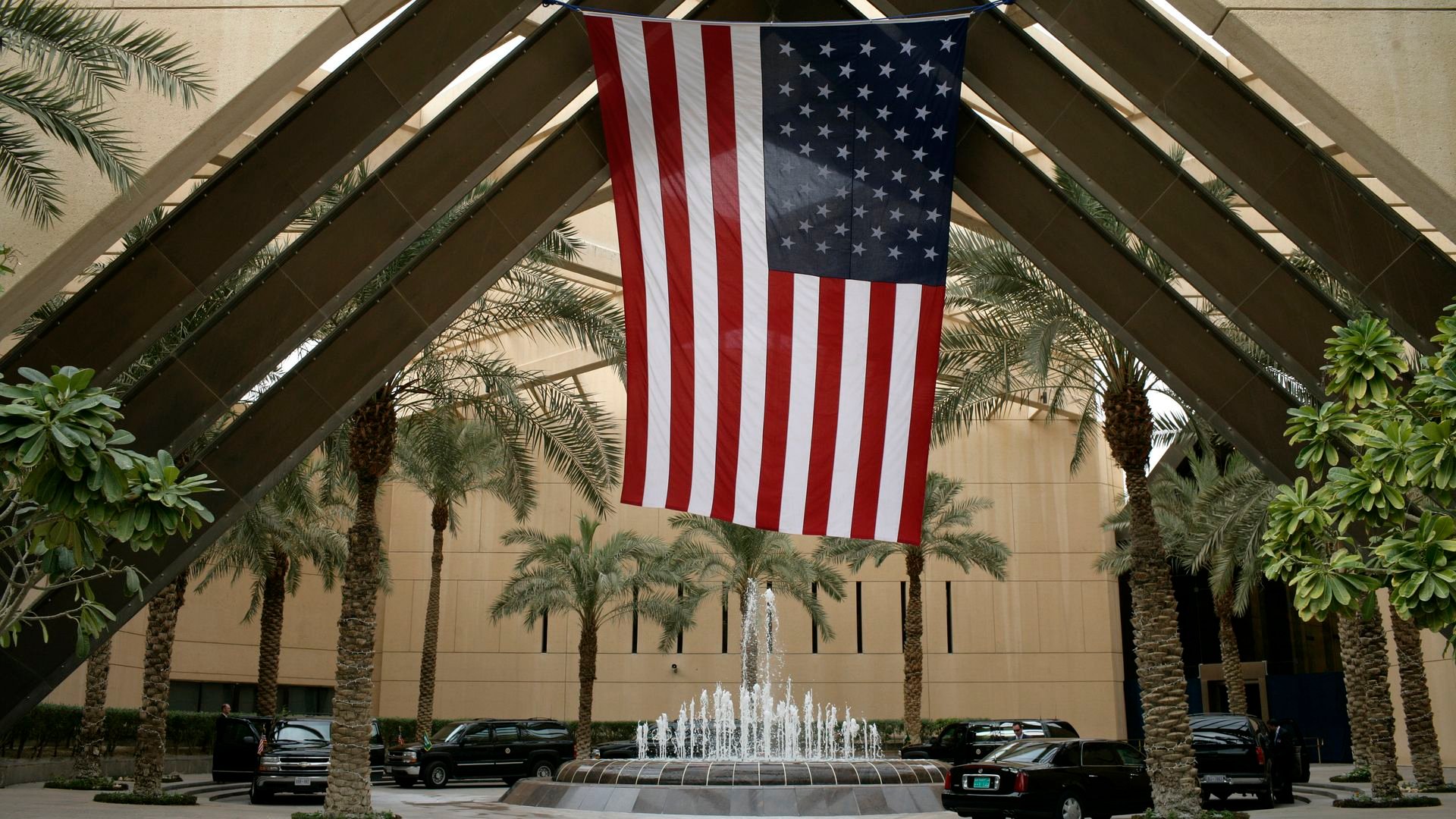
The attack occurred at approximately 2:30 AM local time when multiple unmanned aerial vehicles targeted the embassy compound in the diplomatic quarter of Riyadh. Saudi authorities reported that the drones were intercepted by air defense systems before reaching the main embassy buildings, though debris from the intercepted drones caused minor damage to perimeter structures and several vehicles in the parking area.
Timeline of events
- 2:30 AM: Multiple drones detected approaching the embassy compound
- 2:32 AM: Air defense systems activated
- 2:35 AM: First drone intercepted approximately 500 meters from target
- 2:38 AM: Remaining drones neutralized
- 2:45 AM: Emergency response teams secure perimeter
Saudi security sources indicated the attack bears similarities to recent drone strikes attributed to Iranian-backed Houthi rebels in Yemen, though no group has claimed responsibility as of this reporting. The timing coincides with heightened tensions following Iran's ballistic missile tests earlier this week, which Saudi Arabia and the United States condemned as provocative.
Diplomatic fallout
The US State Department confirmed the attack but reported no American casualties. Embassy operations were temporarily suspended, with non-essential personnel advised to shelter in place. The State Department issued a travel advisory for all US citizens in Saudi Arabia, urging heightened vigilance.
"This attack on sovereign US diplomatic facilities is unacceptable and will be met with appropriate responses," said State Department spokesperson Matthew Miller during a press briefing. "We are working closely with Saudi authorities to determine the origin and perpetrators of this attack."
Regional security implications
The drone strike comes amid a broader pattern of escalating tensions in the Gulf region. Just last month, Saudi oil facilities experienced a series of cyber attacks that temporarily disrupted operations at several refineries. While those attacks were attributed to state-sponsored actors, the physical nature of Wednesday's assault represents a dangerous new phase.
Military analysts note that the sophistication of the drone attack suggests either Iranian involvement or the transfer of advanced technology to proxy groups. The drones used in the attack appear to be modified commercial models with extended range capabilities, according to preliminary assessments by US defense officials.
Economic impact
The attack sent shockwaves through regional markets, with Saudi stocks experiencing a 2.3% decline in early trading. Oil prices rose 1.8% on concerns about potential disruptions to Saudi production capacity. The Tadawul All Share Index fell to its lowest level in three weeks, with energy and financial sector stocks bearing the brunt of the sell-off.
International response
The United Nations Security Council convened an emergency session to discuss the attack, with the United States calling for "strong condemnation" of any state or non-state actor responsible. The UK, France, and Germany issued a joint statement expressing solidarity with both the United States and Saudi Arabia.
Iran has denied any involvement in the attack, with Foreign Ministry spokesperson Nasser Kanaani calling the accusations "baseless and politically motivated." However, Iranian state media celebrated the attack, with several commentators suggesting it was a response to "American aggression in the region."
Security measures
In response to the attack, the US has deployed additional Patriot missile defense systems to Saudi Arabia and is reportedly considering sending more naval assets to the Persian Gulf. The Saudi government has announced plans to enhance security at all diplomatic facilities in the kingdom, including the installation of additional counter-drone technology.
Historical context
This is not the first time the US Embassy in Riyadh has been targeted. In 2003, a suicide bombing at a residential compound in the city killed 17 people, including nine Americans. In 2016, the embassy was temporarily closed following protests over a Saudi execution of a prominent Shia cleric.
The current attack, however, represents a more sophisticated threat using unmanned systems, reflecting the evolving nature of asymmetric warfare in the region. Security experts warn that commercial drone technology has made such attacks increasingly accessible to non-state actors and terrorist groups.
What happens next
Diplomatic sources indicate that the United States is weighing several response options, ranging from increased economic sanctions on Iran to potential cyber operations against Iranian military infrastructure. The Saudi government has pledged full cooperation with the US investigation and has placed its own military on heightened alert.
The attack is likely to complicate ongoing negotiations over the Iran nuclear deal, with US officials suggesting that Iran's regional behavior will now be a more prominent factor in any diplomatic engagement. European allies have expressed concern that the incident could derail delicate negotiations that have been underway for months.
As investigations continue, the drone strike on the US Embassy in Riyadh serves as a stark reminder of the volatile security situation in the Middle East and the persistent threat to American diplomatic facilities in the region. The incident underscores the challenges facing US foreign policy as it navigates between diplomatic engagement and security imperatives in an increasingly complex geopolitical landscape.
Comments
Please log in or register to join the discussion