
Japan's Game Preservation Society launches Patreon campaign following government subsidy cuts over archive scanning violations, while expanding operations and planning a US sister organization.
The Game Preservation Society (GPS), Japan's primary nonprofit dedicated to archiving video game history, has launched a Patreon campaign to secure sustainable funding after the Japanese government abruptly terminated its subsidies. This funding crisis stems from regulatory disputes over the organization's preservation methods, forcing GPS to pursue financial independence while expanding its Tokyo operations and planning a US-based sister organization.
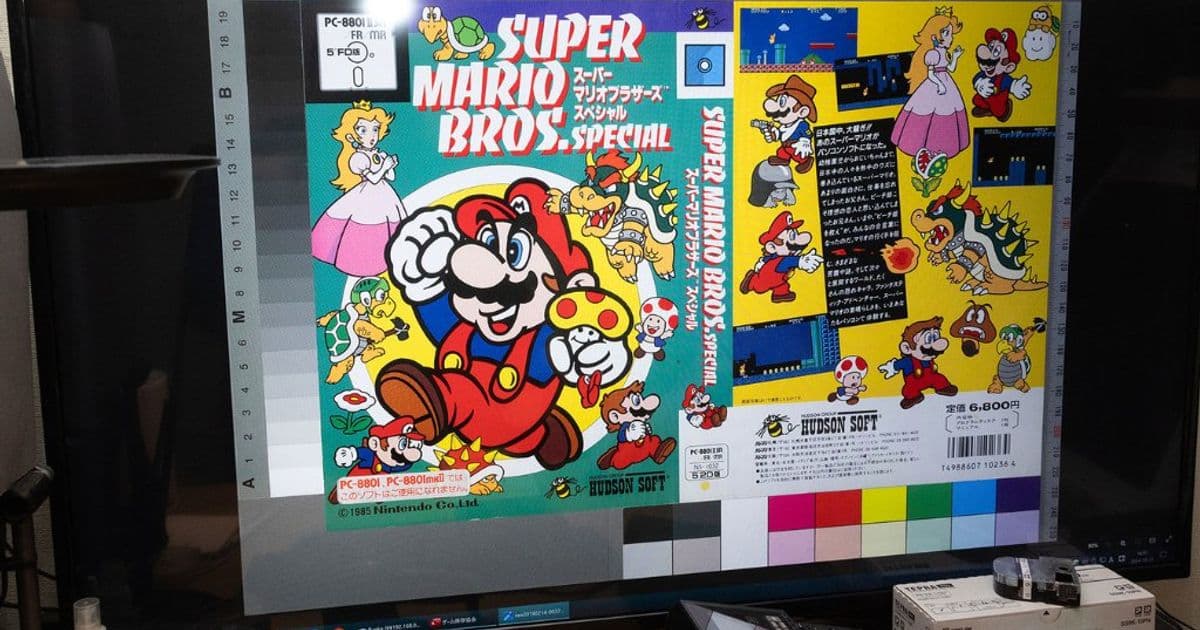
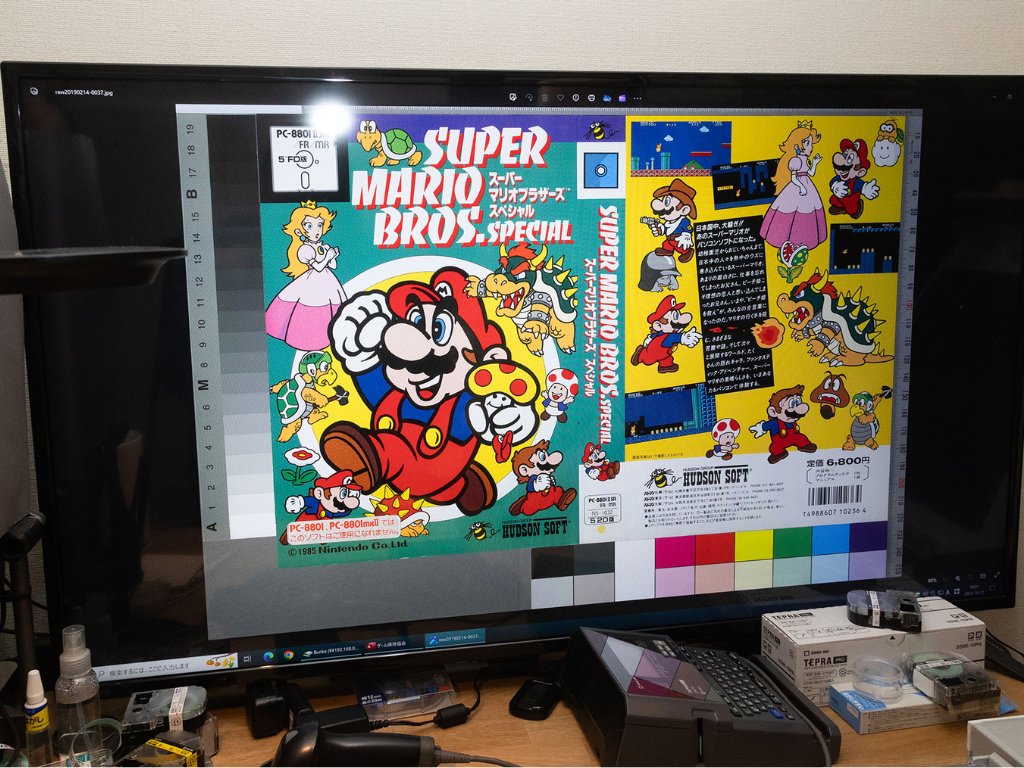
Government funding was severed in July 2025 after Japanese cultural authorities alleged GPS violated regulations by scanning magazines and game cover art to build its digital archive—activities deemed illegal under local copyright laws. GPS head Josh Redon described the situation as "nasty," noting officials provided no clear explanation: "They told us funding will be cut... unless you correct the situation, but wouldn't explain why." After legal intervention, GPS retained partial funding but incurred a 20% penalty, covering the gap through private donations.
Despite these hurdles, GPS significantly expanded its archival work this fiscal year. The Tokyo team indexed 855 Famicom strategy guides and preserved over 7,000 magazine advertisements—critical artifacts documenting gaming's evolution often lost to deterioration. Their physical archive includes rare promotional materials, developer documents, and hardware prototypes vulnerable to decay.
The new Patreon campaign aims to replace government reliance entirely. Base supporters receive updates for free, while $5/month unlocks email newsletters. Higher tiers (in development) will offer livestream tours of GPS's Tokyo facility and long-form preservation documentaries. Redon emphasized fiscal transparency: "Nothing will be spent purchasing 'content'—all funds go toward archiving." The campaign targets 300 backers to achieve full autonomy, allowing GPS to "maintain integrity and make choices in the public interest" without external pressure.
Concurrently, GPS is establishing a US-based sister organization to broaden preservation efforts internationally. This strategic expansion acknowledges differing copyright frameworks abroad that may better accommodate digital archiving. Unlike Japan's strict enforcement, US fair use doctrines often permit preservation activities for historical research.
This funding shift highlights tensions between cultural preservation and copyright law. Physical game media and ephemera degrade rapidly—magazines yellow, discs rot, and paper manuals crumble. Without digitization, irreplaceable gaming history disappears. GPS's predicament underscores how legal frameworks struggle to address archival necessities for digital-age artifacts. Their Patreon model offers a potential blueprint for preservation groups facing similar institutional barriers worldwide.
Game Preservation Society Patreon | Time Extension Interview
Comments
Please log in or register to join the discussion