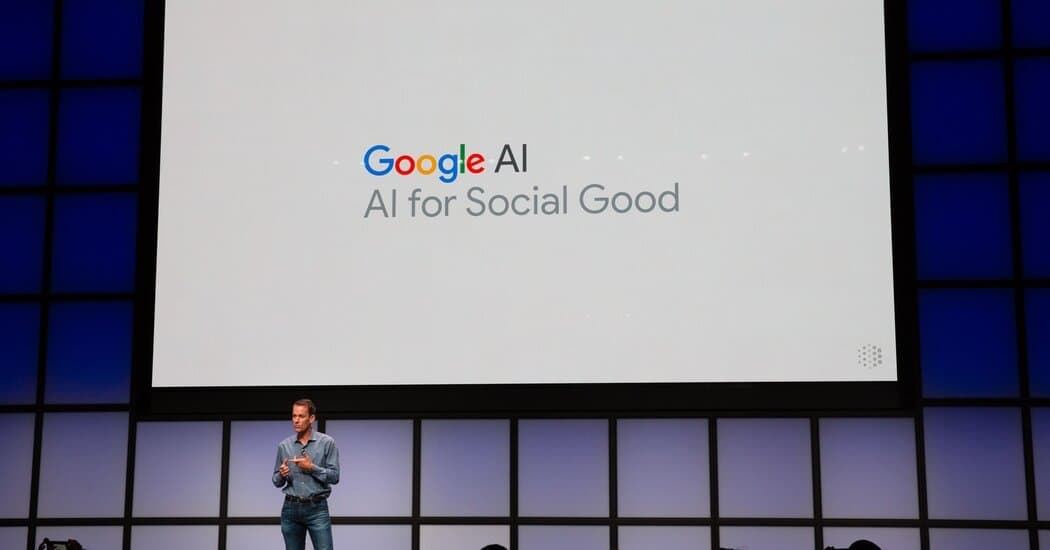
Over 100 Google DeepMind and AI employees have signed an open letter to Jeff Dean demanding that Google block US military contracts that would use Gemini for mass surveillance or autonomous weapons, citing ethical concerns about AI's role in warfare.
More than 100 Google DeepMind and other AI employees have sent an open letter to Jeff Dean, Google's Chief Scientist and head of AI, urging the company to block US military contracts that would use Gemini for mass surveillance or autonomous weapons. The letter, organized by employees concerned about the ethical implications of AI in warfare, calls on Google to establish clear policies preventing the use of its AI technology for military applications that could harm civilians or enable autonomous killing.
What's Actually New
The letter represents a significant escalation in employee activism around AI ethics at Google, coming at a time when the company faces increasing pressure to balance commercial opportunities with ethical considerations. Unlike previous controversies over military contracts (such as the 2018 Project Maven incident that led to employee protests and Google's eventual withdrawal), this letter specifically targets the use of Gemini for surveillance and autonomous weapons systems.
The timing is notable given that other major AI companies are facing similar pressures. Anthropic recently stated it would work to ensure a smooth transition if offboarded from Department of Defense contracts, while Meta has been in talks to rent Google's TPUs for AI development. The letter suggests growing concern within the AI community about the militarization of AI technology.
The Core Issues
Employees are specifically concerned about two applications:
- Mass surveillance: Using Gemini to process and analyze data for large-scale monitoring of populations
- Autonomous weapons: Deploying AI systems that can make kill decisions without human intervention
These concerns reflect broader debates in the AI ethics community about the appropriate boundaries for AI deployment. The letter argues that Google has a responsibility to prevent its technology from being used in ways that could cause harm or violate human rights.
The Context
This development comes amid several related stories in the AI industry:
- Anthropic CEO Dario Amodei recently stated the company cannot "in good conscience" accede to DOD requests to remove safeguards
- The Pentagon has offered compromises to Anthropic, including written assurances that existing laws bar mass surveillance
- OpenAI is overhauling its safety protocols after failing to alert authorities about a Canadian criminal case
- xAI co-founder Toby Pohlen recently left the company, marking continued executive turnover in the AI sector
The Broader Implications
This letter highlights the growing tension between AI companies' commercial interests and ethical concerns from within. As AI capabilities advance, employees are increasingly willing to challenge leadership decisions about military and surveillance applications.
The situation also reflects the competitive dynamics in the AI industry, where companies are racing to secure contracts and partnerships while navigating complex ethical landscapes. Google's response to this letter could influence how other companies approach similar decisions.
What Happens Next
Google has not yet publicly responded to the letter. The company faces a difficult choice between potentially lucrative military contracts and maintaining employee trust and ethical standards. The outcome could set precedents for how other AI companies handle similar situations.
This controversy also raises questions about the role of employee activism in shaping corporate AI policies and whether voluntary industry standards can effectively govern the use of powerful AI technologies in sensitive applications.
The letter represents a critical moment in the ongoing debate about AI ethics, corporate responsibility, and the appropriate limits of technology in warfare and surveillance. As AI capabilities continue to advance, these questions will only become more pressing for companies, employees, and society at large.
Comments
Please log in or register to join the discussion