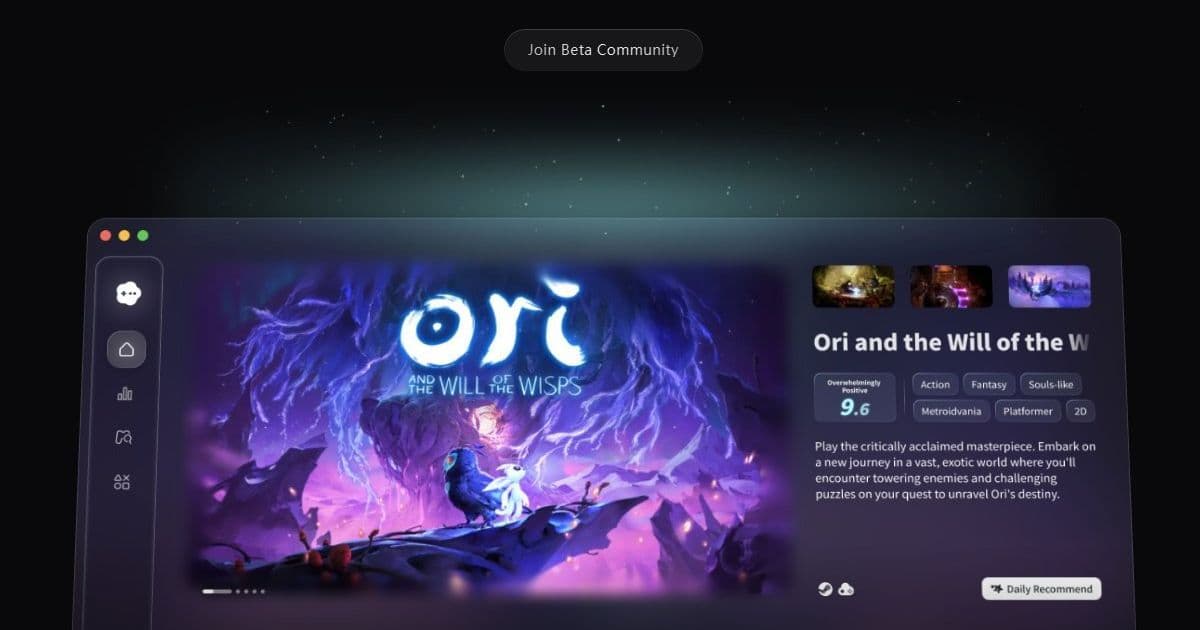
GameSir's GameHub, originally an Android app for streaming Windows games, has launched a macOS beta that lets users play their Steam library on Mac, with support for multiple accounts, cloud saves, and even Epic Games Store integration.
GameSir has taken a significant step in expanding its gaming ecosystem by releasing a beta version of GameHub for macOS, nearly two months after announcing the platform expansion. The software, which originally allowed Android users to stream Windows games from their Steam libraries, is now bringing similar functionality to Mac users who want to access their PC gaming collections without native ports.
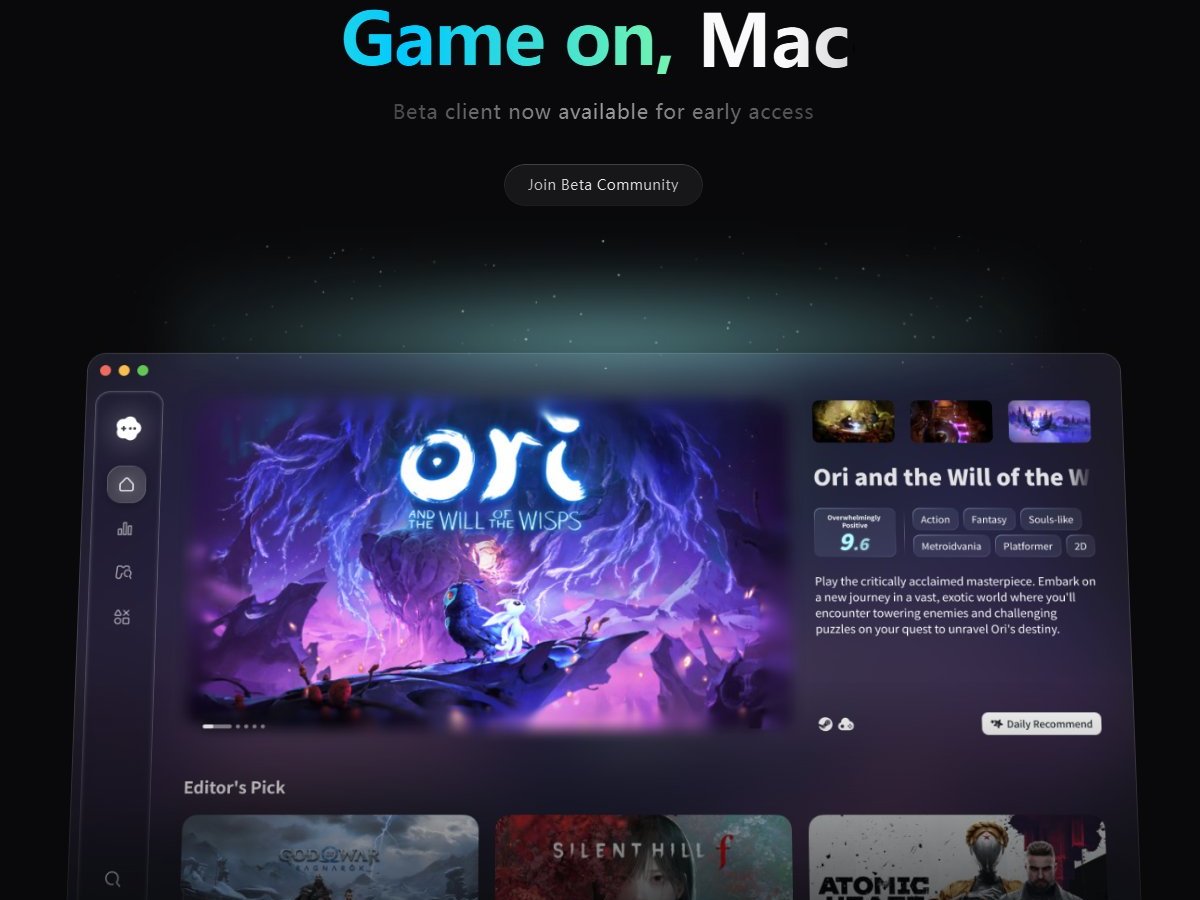
The macOS beta maintains the core functionality that made GameHub popular on Android devices. Users can sign into their Steam accounts, browse their existing library, install games, and begin playing directly on their Mac. GameHub promises seamless integration by syncing not just the game library, but also account value, playtime statistics, and cloud save data. This comprehensive synchronization ensures that Mac users can pick up exactly where they left off on their primary gaming rig.
One notable enhancement in the macOS version is the addition of Epic Games Store support, a feature that wasn't available in the Android iteration. This gives Mac users access to a broader range of PC-exclusive titles that traditionally haven't been available on Apple's platform. The inclusion of Epic support addresses one of the major gaps in Mac gaming, where many popular titles launch exclusively through the Epic Games Store before potentially coming to other platforms.
The beta release also introduces several Mac-specific features designed to enhance the user experience. Multiple Steam account support allows users to switch between different profiles without logging out completely, which is particularly useful for households with multiple gamers or content creators who maintain separate personal and professional accounts. Personalized compatibility profiles let users optimize settings for specific games or hardware configurations, while the ability to import local games from the system provides flexibility for users who have games installed outside of Steam or Epic.
GameSir's decision to launch GameHub for macOS in beta reflects a strategic approach to software development. By releasing the software in this early stage, the company can gather real-world feedback from users across different Mac configurations and use cases. This feedback loop will be crucial for identifying compatibility issues, performance bottlenecks, and feature requests before the stable release. The company has indicated that the timeline for the full release will depend on both user feedback and development progress, suggesting a commitment to quality over rushing to market.
This move by GameSir comes at a time when Mac gaming is experiencing renewed interest, particularly with Apple's continued improvements to Metal graphics technology and the increasing power of Apple Silicon chips. However, the Mac platform still lags behind Windows in terms of native game support, making solutions like GameHub increasingly relevant for gamers who want to maintain a single ecosystem without dual-booting or maintaining separate gaming PCs.
The beta is currently available to interested users who sign up through GameSir's website, with an active Discord community providing support and serving as a feedback channel. This community-driven approach to development could help GameSir build a loyal user base and ensure that the final product addresses the actual needs of Mac gamers rather than just theoretical use cases.
As the beta progresses, it will be interesting to see how GameHub performs across different Mac models, from the base M1 MacBook Air to the high-end Mac Studio. The software's success will likely depend on its ability to deliver smooth, low-latency gameplay across this diverse hardware spectrum while maintaining the convenience that made the Android version appealing to users in the first place.
Comments
Please log in or register to join the discussion