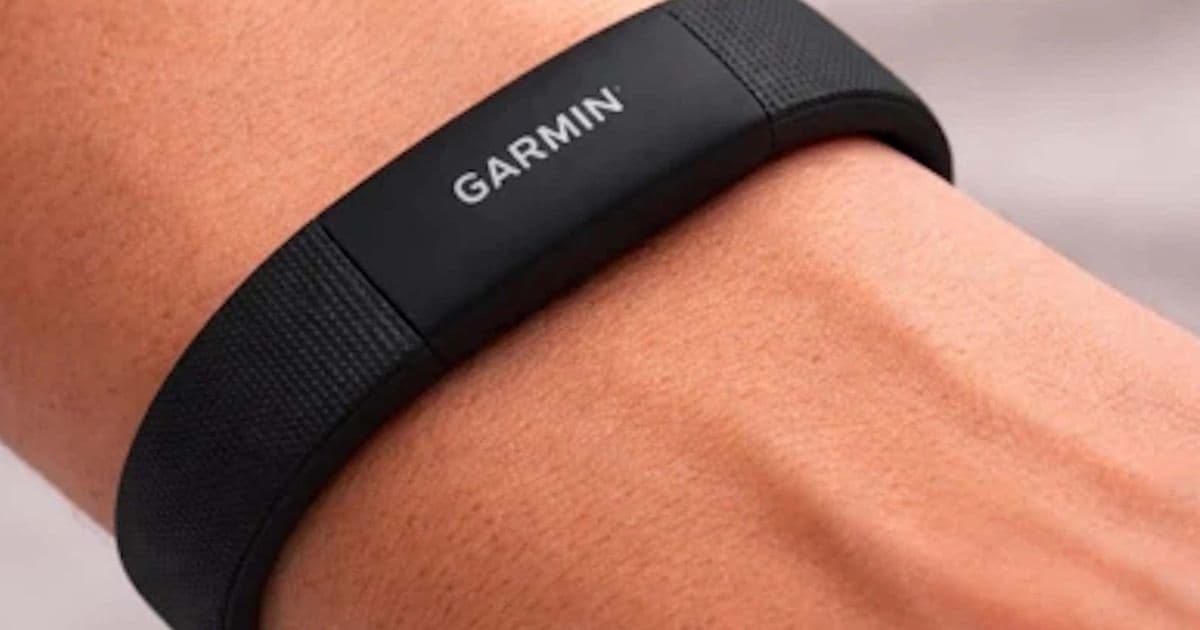
Garmin’s new screen‑less Cirqa tracker enters a niche market dominated by Zepp’s Helio Strap and Fitbit Air. At a rumored $500 price it seems steep, but its sensor suite and Garmin‑centric ecosystem could justify the cost for serious athletes and sleep‑tracking enthusiasts.
 )
)
What the Cirqa brings to the table
Garmin’s Cirqa is a wrist‑worn device that forgoes a display in favor of a full‑frame optical heart‑rate sensor, a 3‑axis accelerometer, and a new‑generation SpO₂ photodiode. The sensor array mirrors what Garmin currently uses in its premium watches, but the lack of a screen reduces power draw and allows a slimmer, lighter chassis – roughly 28 g compared with the 36 g of the Forerunner 55. Battery life is claimed to reach 30 days on a single charge, a figure that aligns with Garmin’s low‑power firmware for its older Index Sleep Monitor.
Key specifications (as leaked):
- Sensors: PPG heart‑rate, SpO₂, skin temperature, 3‑axis accelerometer, gyroscope
- Connectivity: Bluetooth 5.2, ANT+, Wi‑Fi (for OTA updates only)
- Battery: 120 mAh Li‑ion, 30‑day standby, 7‑day active tracking
- Water resistance: 5 ATM (suitable for swimming)
- Materials: Silicone strap, polymer housing, sapphire‑glass back for sensor protection
- Price rumor: US $500 (regional listings suggest higher local cost)
The device syncs directly to Garmin Connect, where users can view detailed sleep stages, VO₂ max estimates, and training load without ever needing a screen on the wrist. All data is stored locally and uploaded when the phone is in range, meaning the tracker can be left on during activities where a smartwatch would be prohibited – for example, certain triathlon or ultra‑marathon events that ban “smart” displays.
How it stacks up against the competition
| Feature | Garmin Cirqa (rumored) | Zepp Helio Strap | Fitbit Air |
|---|---|---|---|
| Display | None | None | None |
| Heart‑rate sensor | Advanced PPG (Garmin‑grade) | Standard PPG | Standard PPG |
| SpO₂ | Yes (new‑gen) | No | Yes |
| Skin temperature | Yes | No | No |
| Battery life | 30 days | 14 days | 7 days |
| Water resistance | 5 ATM | 3 ATM | 5 ATM |
| Price (USD) | ~500 | ~150 | ~130 |
The Helio Strap and Fitbit Air target casual fitness users who want a thin tracker for daily steps and basic heart‑rate monitoring. Their sensor suites stop at PPG and basic accelerometry, and they rely on companion apps for any advanced analysis. Garmin, by contrast, packs a full sensor package that mirrors its high‑end watches, and it feeds data into a mature analytics platform that already supports training plans, recovery advice, and sleep coaching.
From a cost perspective the Cirqa sits well above the $150‑$200 bracket occupied by its screen‑less rivals. If you already own a Garmin watch, the extra expense may feel redundant; however, for athletes who need a backup tracker that can survive harsh environments – such as kettlebell training, mountain biking, or open‑water swimming – the durability and battery advantage could offset the price.
Who should consider buying it
- Serious endurance athletes who train multiple times per day and need a dedicated device that never runs out of juice during a week‑long stage race.
- Sleep‑tech enthusiasts who want the same optical sensor accuracy as the Index Sleep Monitor but prefer a wrist‑worn form factor for continuous data collection.
- Competitors in regulated sports where any on‑wrist display is prohibited; the Cirqa can record metrics without violating rules.
- Garmin ecosystem loyalists who already use Garmin Connect for planning and want a seamless addition rather than juggling a third‑party app.
Conversely, casual users who only track steps, occasional runs, or basic heart‑rate data will find the Helio Strap or Fitbit Air more than sufficient, especially given the price gap.
Verdict
The Garmin Cirqa is not a budget‑friendly entry point; it is a premium, niche‑focused tracker that trades a display for longer battery life and a richer sensor suite. If you need a rugged, screen‑less device that integrates tightly with Garmin’s training ecosystem, the $500 price tag can be justified. For the majority of consumers, the cheaper screen‑less alternatives already cover the basics, making the Cirqa a specialized tool rather than a universal replacement.
Sources: Reddit community leaks, Stylus Store listing, Garmin Connect documentation.
Comments
Please log in or register to join the discussion