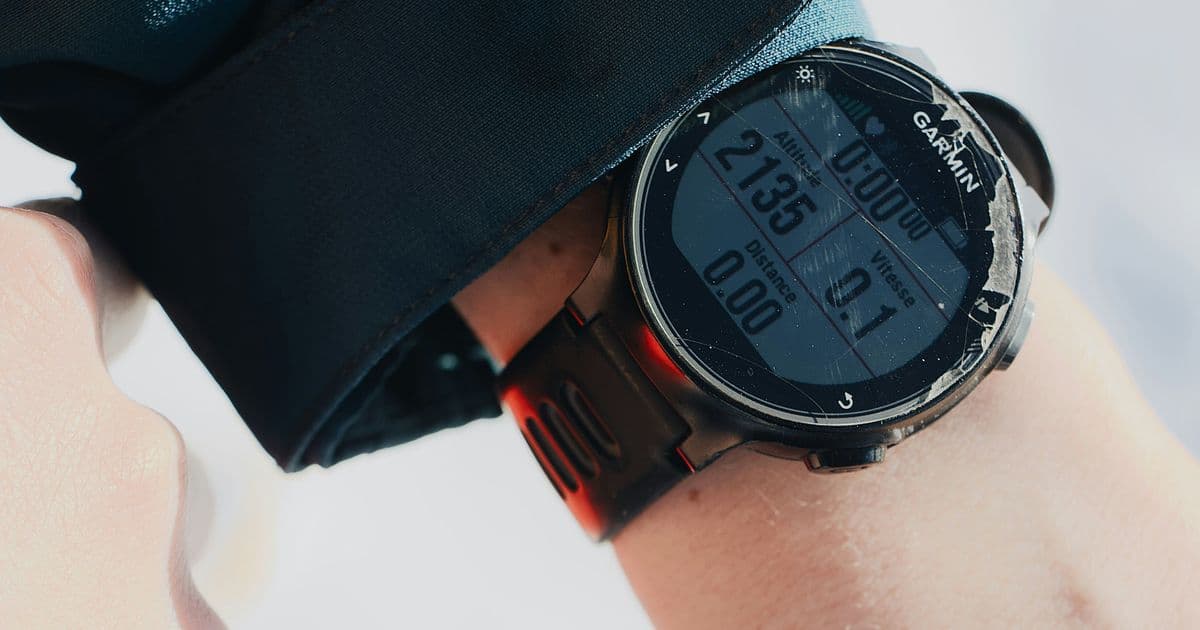
Garmin reports impressive financial results for Q1 2026, with their fitness smartwatch segment leading the charge with 42% year-over-year growth. The company's overall revenue reached $1.753 billion, up from $1.535 billion in the same period last year, while operating income increased to $432 million with margins expanding to 24.6%.
Garmin's first quarter 2026 financial results reveal a company riding a wave of success in the fitness wearable market, with their fitness smartwatch segment showing exceptional growth. The company reported total revenue of $1.753 billion, representing a 14.2% increase compared to the $1.535 billion recorded in Q1 2025. This performance translates to operating income of $432 million, up from $333 million, with operating margins expanding from 21.7% to 24.6%.
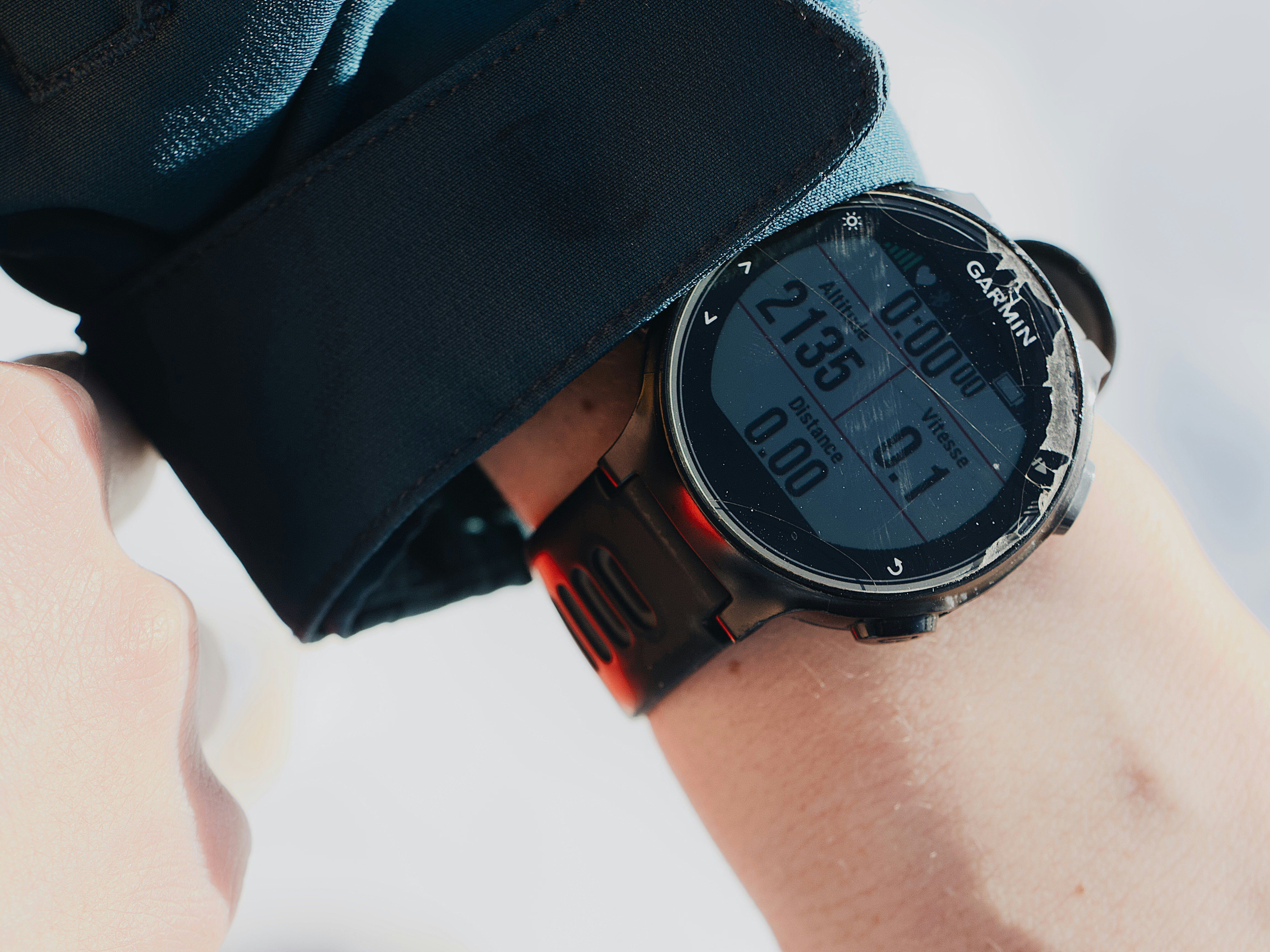
The standout performer in Garmin's portfolio is undoubtedly their fitness segment, which saw an impressive 42% revenue increase. This growth is particularly significant when considering the broader smartwatch market, which has been facing increased competition from smartphone manufacturers and tech giants. Garmin's success in this space can be attributed to their specialized approach to fitness tracking, focusing on serious athletes and outdoor enthusiasts who require more sophisticated metrics than general consumers.
Breaking down Garmin's business segments reveals an interesting pattern. While fitness smartwatches are thriving, the outdoor segment actually declined by 5%. This dichotomy highlights Garmin's strategic positioning - they don't categorize products simply as 'smartwatches' but by use case. For example, the Instinct 3 rugged smartwatch falls under the outdoor segment, while the Forerunner series is counted in fitness. This segmentation allows Garmin to tailor their products and marketing to specific user needs, rather than competing head-on with generalist smartwatch makers.
The Forerunner series, in particular, appears to be driving much of this growth. These devices have evolved beyond simple running watches into comprehensive training partners with advanced metrics like training load, recovery time, and VO2 max estimation. The latest models, such as the Forerunner 965 and 265, feature AMOLED displays, enhanced GPS accuracy, and specialized workout profiles for everything from trail running to swimming.
Comparing Garmin to their direct competitors in the fitness smartwatch space, Apple and Samsung, reveals different strategies. While Apple and Samsung focus on general smartwatch functionality with fitness features as an add-on, Garmin doubles down on athletic performance. This specialization has allowed Garmin to capture a dedicated user base that values detailed metrics and battery life over app ecosystems and smartphone integration.
The aviation and marine segments also showed strong growth at 18% and 11% respectively, demonstrating Garmin's continued strength in specialized navigation devices. The auto OEM segment grew minimally at just 1%, suggesting challenges in the automotive market or potentially less focus on this segment.
For potential buyers, Garmin's fitness smartwatches offer several compelling advantages. Battery life consistently exceeds that of competitors, with many models lasting 2 weeks or more between charges. The build quality is exceptional, with many models featuring MIL-STD-810 durability standards and water resistance suitable for swimming and diving. The ecosystem of sensors and accessories, including heart rate monitors, running dynamics pods, and cycling power meters, provides unmatched depth for serious athletes.
Pricing for Garmin's fitness smartwatches ranges from $200 for entry-level models like the Forerunner 55 to over $700 for premium devices with advanced features. While this places them at the higher end of the market, the value proposition for serious athletes remains strong, especially when considering the longevity of the devices and the specialized features that directly impact training performance.
Looking ahead, Garmin's position in the fitness smartwatch market appears secure, particularly as more consumers adopt serious fitness routines and seek devices that can provide meaningful data beyond basic step counting. The company's continued investment in sensor technology, physiological metrics, and specialized workout profiles should help maintain their competitive edge against more generalized smartwatches.
For consumers considering a fitness smartwatch, Garmin's Forerunner series represents the gold standard for runners and triathletes, while their Venu series offers more general fitness tracking with premium build quality. Those who prioritize battery life and ruggedness over app compatibility will find particular value in Garmin's offerings.
Garmin's financial performance suggests they've successfully carved out a defensible niche in the increasingly crowded smartwatch market, focusing on users who demand specialized features and reliable performance during intense physical activities. As the fitness tracking market continues to evolve, Garmin's specialized approach appears to be paying significant dividends.
Comments
Please log in or register to join the discussion