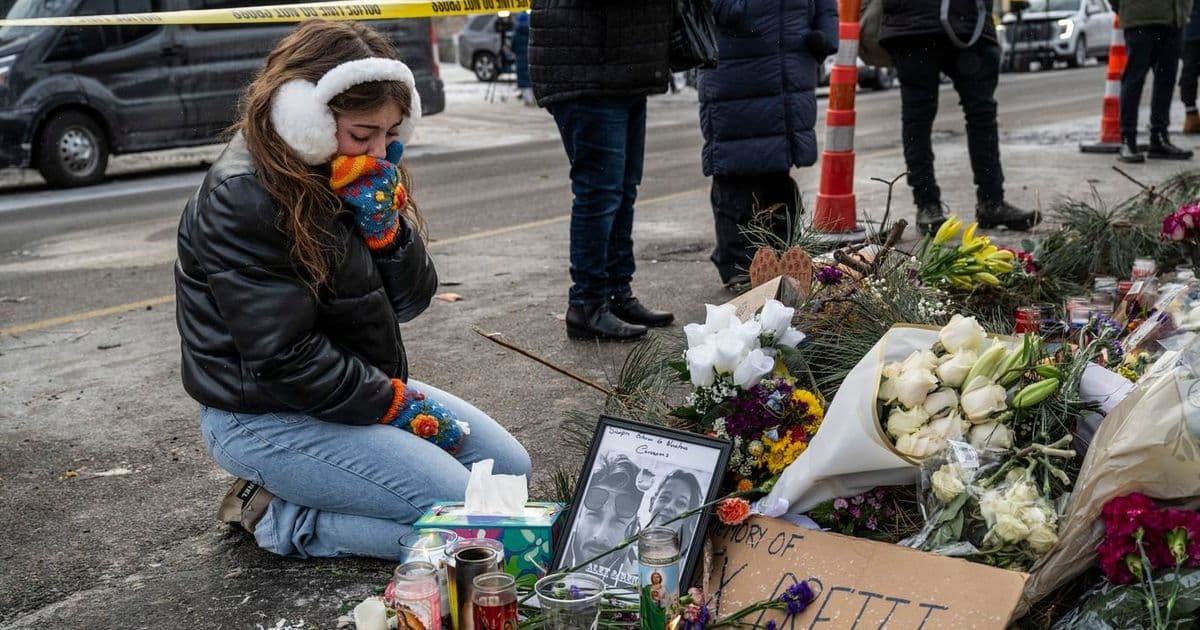
The fatal shooting of a Minneapolis tech worker has ignited a political firestorm within Republican ranks, exposing deep divisions over immigration enforcement strategies and threatening party unity on one of its core campaign issues.
The political aftermath of the Minneapolis shootings has exposed fractures within the Republican Party that run deeper than a single tragedy. Two hours after news broke that a local resident had been killed, party leaders found themselves navigating an internal crisis that threatens their unified front on immigration enforcement.
Alex Pretti, a 34-year-old software engineer, was shot and killed in the city's North Loop neighborhood on January 25. The suspect, identified by police as 28-year-old Juan Carlos Morales-Aguilar, was in the country on an expired visa and had previously been detained by Immigration and Customs Enforcement (ICE) but released under a local sanctuary policy. The circumstances have forced Republican lawmakers to confront the gap between their hardline campaign rhetoric and the practical realities of enforcement.
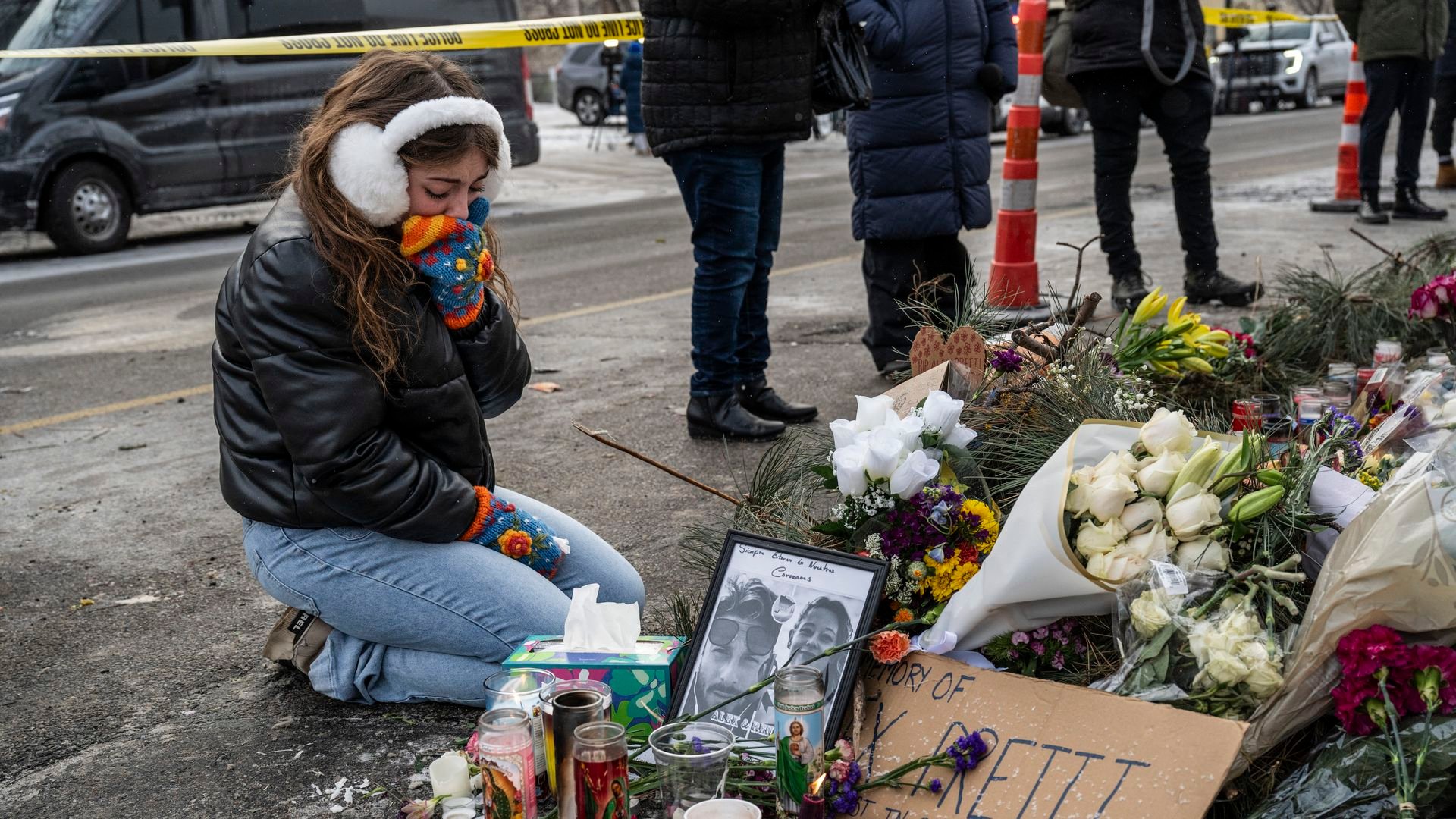
The shooting has created an immediate political problem for the GOP's immigration hawks. Senator Tom Cotton of Arkansas, who has championed mandatory detention for all visa overstays, issued a statement calling the killing "a preventable tragedy" and demanding "immediate action." Yet behind the scenes, Cotton and other hardliners are facing pushback from moderate Republicans representing districts with large immigrant communities who fear the incident could fuel backlash against their constituents.
Representative Pete Stauber of Minnesota, whose district includes parts of the Twin Cities metro, has been particularly vocal about the need for nuance. "We cannot let one horrific act define an entire community or derail comprehensive reform," Stauber told reporters, marking a significant departure from the party's usual lockstep messaging on immigration. His position reflects concerns among swing-district Republicans that aggressive immigration crackdowns could alienate suburban voters who supported Trump but want measured policy responses.
The internal Republican debate centers on three competing approaches that have emerged in the past 48 hours. The first, led by hardliners like Representatives Jim Jordan and Matt Gaetz, calls for immediate mass deportations and the defunding of sanctuary cities. They argue the shooting proves that any leniency creates public safety risks.
A second faction, including several senators facing re-election in 2026, advocates for what they term "targeted enforcement" - focusing resources on visa overstays and individuals with criminal records while maintaining broader immigration pathways. This group points to data showing that undocumented immigrants commit crimes at lower rates than native-born citizens, though they acknowledge the visa overstay system requires reform.
The third approach, emerging from the party's business wing, pushes for expanded guest worker programs combined with enhanced security measures. This faction argues the shooting demonstrates the need for better tracking systems rather than blanket restrictions that could harm the tech industry's ability to recruit talent.
The debate has been amplified by competing data points that both sides are using to justify their positions. Hardliners cite a Department of Homeland Security report showing 692,000 visa overstays in 2023, with 85,000 of those individuals coming from countries considered high-risk. Moderates counter with FBI crime statistics indicating that immigrants - both documented and undocumented - are incarcerated at rates 60% lower than native-born Americans.
Business community leaders have entered the fray with their own calculations. The U.S. Chamber of Commerce released a statement emphasizing that the tech sector alone accounts for 1.2 million jobs held by foreign-born workers, warning that "broad-brush immigration restrictions" could trigger economic consequences. The statement represents a rare public break between traditional GOP allies and the party's immigration base.
Republican leadership faces the additional challenge of timing. The party had planned to make immigration enforcement a centerpiece of its 2026 midterm strategy, but the Minneapolis incident has forced a recalibration. Senate Majority Leader John Thune must now decide whether to advance controversial legislation like the "Visa Overstay Enforcement Act" - which mandates detention for all visa overstays - knowing it could split his caucus.
The shooting's location in Minnesota adds another layer of complexity. The state's 2nd Congressional District, which Stauber represents, has seen its foreign-born population grow 40% since 2010, driven largely by tech industry expansion. Local Republican officials report receiving calls from constituents who support stronger border security but oppose policies that could affect their immigrant neighbors and coworkers.
Polling conducted in the 24 hours following the shooting shows public opinion moving in unexpected directions. A flash poll by the Tarrance Group found that while 68% of Republican voters still support stricter immigration enforcement, the percentage who favor "mass deportations" dropped from 54% to 47% among voters with college degrees. The same poll found that 71% of respondents overall support increased funding for visa tracking systems, suggesting a preference for technological solutions over enforcement-only approaches.
The incident has also reignited debate over sanctuary policies at the state level. Minnesota's Attorney General has defended the state's sanctuary provisions, arguing they encourage crime reporting and community cooperation. Republican state legislators have introduced bills to overturn these policies, but face opposition from law enforcement officials who say the policies help them focus resources on violent criminals rather than immigration violations.
Technology companies with major Minnesota operations have been quietly lobbying Republican lawmakers to consider the economic implications of immigration crackdowns. These companies employ thousands of workers on H-1B visas and have warned that restrictive policies could force them to relocate operations overseas. The lobbying effort represents a significant mobilization of the business community on an issue that typically divides Republican factions.
The shooting's impact on Republican unity was evident during a closed-door caucus meeting where, according to sources present, the discussion devolved into heated exchanges. One attendee described the meeting as "the most contentious immigration discussion since the 2018 border crisis," with members trading accusations about whose policies would have prevented the tragedy.
Looking ahead, the party must navigate several immediate legislative deadlines. Funding for ICE expires in March, and Republicans will need to decide whether to include stricter visa enforcement provisions in the appropriations bill. The debate over the annual National Defense Authorization Act also includes provisions related to military service by non-citizens, which have become entangled in the broader immigration discussion.
The Minneapolis shooting has crystallized a fundamental tension within the Republican coalition between ideological purity and electoral pragmatism. While the party's base demands aggressive action, the practical realities of governing - and the potential economic and political consequences - are forcing a reckoning that could reshape the GOP's approach to immigration for years to come. The question facing Republican leaders is whether they can maintain their coalition while addressing the complex realities that one tragic incident has brought to the surface.
Comments
Please log in or register to join the discussion