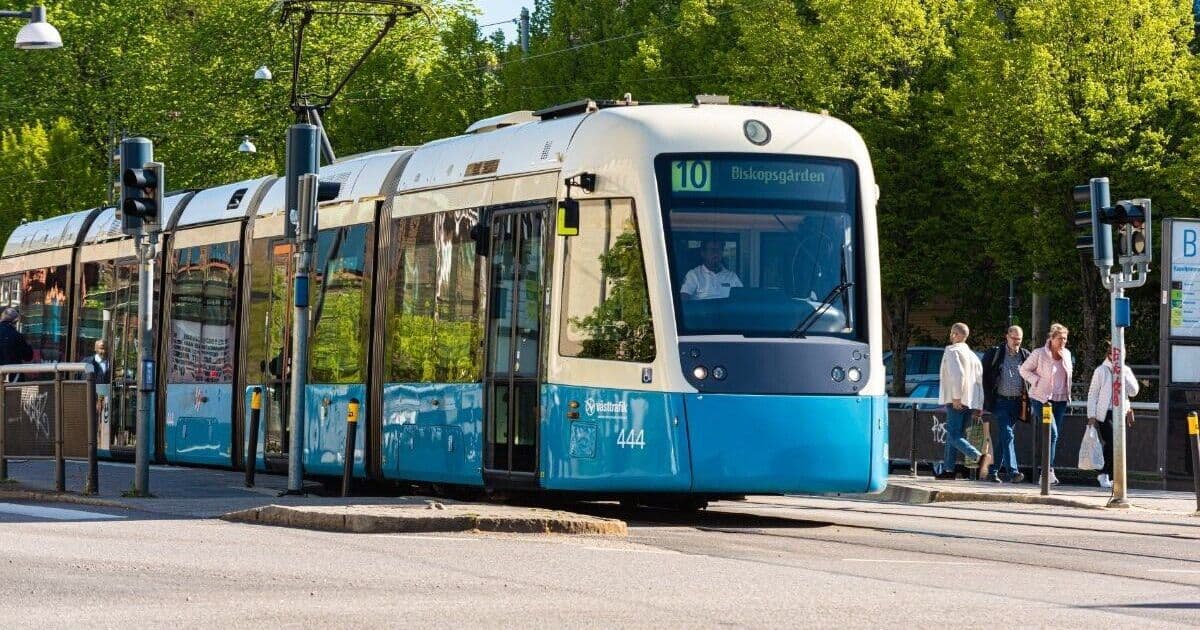
Swedish city of Gothenburg’s driver‑less bus service suffered a rear‑end collision with a tram on its second passenger trip, prompting a safety review and highlighting integration challenges between autonomous road vehicles and existing tram infrastructure.
Gothenburg’s Autonomous Shuttle Collides with Tram on Second Passenger Run
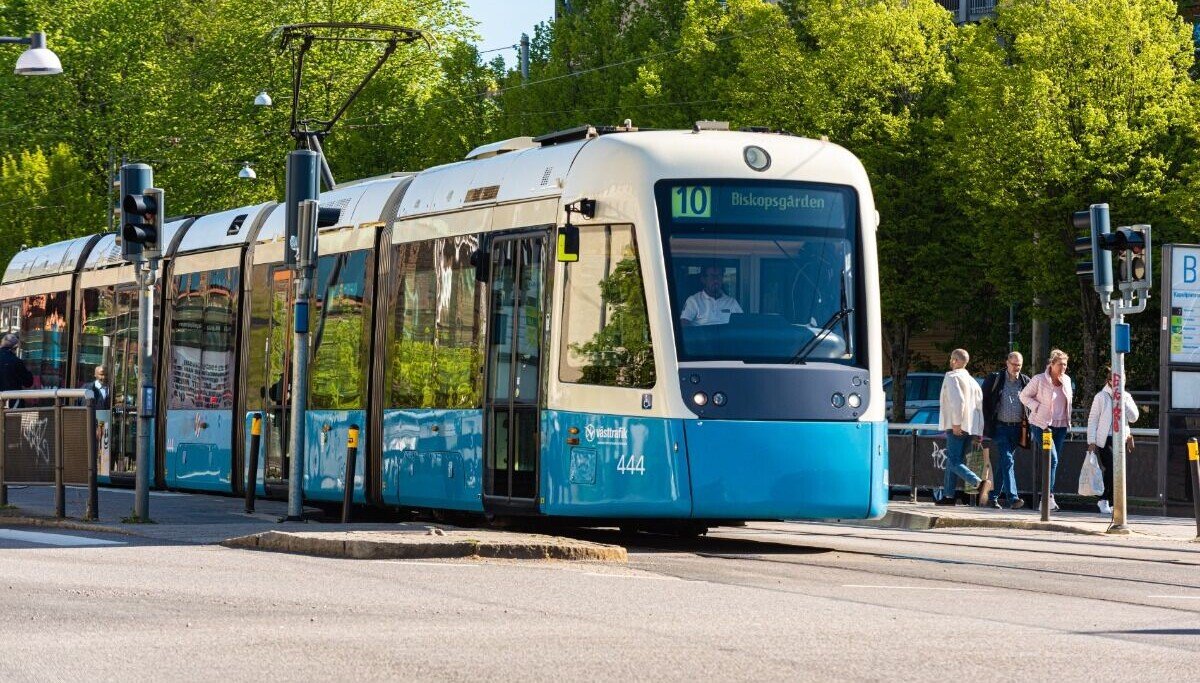
On May 25, 2026 the first passenger‑carrying run of Gothenburg’s driver‑less bus on route 169 (Gothenburg Central Station ↔ Liseberg) ended with a tram striking the rear of the vehicle. The incident occurred just after the bus departed its depot for its second scheduled trip, with a handful of riders aboard.
What Happened?
- Time: Approximately 09:12 CET, second passenger run.
- Vehicles: Karsan K‑City autonomous shuttle (equipped with Västtrafik’s Level‑3 driver‑assist system) and a city tram (model M30, 750 V DC, 70 km/h top speed).
- Sequence: The shuttle detected a stop sign, applied full service brakes, and came to a halt 2.3 m from the tram’s path. The tram, operating under right‑of‑way rules that give it priority over road vehicles, failed to decelerate in time and struck the rear of the bus.
- Outcome: Minor cosmetic damage to both vehicles, no serious injuries, and the shuttle was towed to the depot for inspection.
Västtrafik’s spokesperson confirmed that a driver remained in the cockpit, though the driver’s controls were not engaged during normal operation. The vehicle’s rear panel bears a “Keep your distance! The bus can brake sharply!” warning, which evidently did not influence the tram operator.
Technical Context
Autonomous Bus Platform
| Component | Spec | Supplier |
|---|---|---|
| Sensor Suite | 4× LiDAR (128‑channel), 6× stereo cameras, 2× radar units, GNSS‑RTK | Velodyne, Ouster, Bosch |
| Compute | NVIDIA Orin X (30 TOPS) + dual‑socket Intel Xeon D‑1541 | NVIDIA, Intel |
| Actuation | Drive‑by‑wire steering, regenerative braking, hydraulic service brakes | Karsan |
| Safety Redundancy | Dual‑channel CAN, watchdog timers, fail‑safe brake actuation | In‑house |
The bus operates under Level‑3 automation: the system handles all driving tasks under normal conditions, but a human driver must be ready to intervene. In practice, the driver’s hands remain off the wheel unless a disengagement is triggered.
Power Consumption (Typical)
- Cruising (30 km/h): 1.2 kW average motor draw.
- Braking event: 0.8 kW (regenerative capture of ~0.3 kW).
- Idle with sensors on: 0.6 kW.
These figures place the shuttle well within the 15 kWh battery pack’s range envelope (≈ 120 km on a single charge), but frequent stop‑and‑go operation in city traffic can raise average draw to ~1.5 kW.
Why the Collision Matters for Homelab‑Style Builders
- Mixed‑Mode Traffic Integration – Trams cannot swerve; they rely on signal priority. An autonomous road vehicle must anticipate a tram’s inability to yield, which means the perception stack needs a dedicated “tram‑approach” model that predicts braking distances more conservatively than for cars.
- Human‑In‑The‑Loop Latency – The driver on board was not actively controlling the vehicle. In a Level‑3 system, the human’s reaction time (≈ 1.2 s) is not factored into the emergency‑brake algorithm. When a tram is within 3 s of the bus, the system must decide whether to rely on its own brakes alone or request a driver takeover.
- Sensor Placement – The bus’s rear‑facing LiDAR has a 120‑degree field of view but can be occluded by the vehicle’s own rear overhang. In dense tram corridors, a short‑range radar (30 m range) is advisable to provide redundancy.
Benchmarks & Comparative Data
| Metric | Gothenburg Shuttle (K‑City) | Waymo Robotaxi (2024) | Tesla Cybercab (2025) |
|---|---|---|---|
| Max Speed | 50 km/h (city limit) | 70 km/h | 80 km/h |
| Sensor Latency | 30 ms (LiDAR) | 20 ms (custom sensor fusion) | 25 ms |
| Braking Distance @30 km/h | 2.1 m (full service brake) | 1.8 m | 1.9 m |
| Power Draw (cruise) | 1.2 kW | 1.5 kW | 1.7 kW |
| Cost per unit (approx.) | €250k | $300k | $350k |
The Gothenburg shuttle’s braking distance is marginally longer than Waymo’s, largely due to its heavier chassis and hydraulic brake system. This extra margin can be critical when sharing right‑of‑way with non‑maneuverable trams.
Build Recommendations for a Testbed
If you are setting up a homelab to experiment with mixed‑traffic autonomous scenarios, consider the following configuration:
- Vehicle Platform – Start with a midsize electric bus chassis (e.g., K‑City or Proterra). Ensure it has a CAN‑FD bus for high‑speed sensor data.
- Sensor Stack – Add a 128‑channel LiDAR (Velodyne VLP‑32C) plus a 77 GHz radar module for rear‑approach detection. Mount the radar low on the rear bumper to avoid occlusion.
- Compute – Use an NVIDIA Orin X developer kit; it mirrors the production hardware and supports TensorRT‑accelerated perception pipelines.
- Simulation Environment – Deploy CARLA with a custom tram model that respects fixed‑track constraints and right‑of‑way rules. Run Monte‑Carlo simulations to tune the emergency‑brake threshold for tram proximity.
- Safety Layer – Implement a redundant watchdog that monitors both LiDAR and radar distance estimates. If the disparity exceeds 0.5 m, trigger an immediate hard‑brake and raise a driver‑takeover request.
Next Steps for Västtrafik
- Data Review – Extract the raw LiDAR point clouds from the collision window and compare them with the tram’s predicted trajectory. Identify any blind‑spot artifacts.
- Algorithm Update – Adjust the perception model’s confidence thresholds for rear‑approach objects when a tram signal is active.
- Policy Alignment – Work with Gothenburg’s traffic authority to define a “tram‑proximity buffer” that forces the shuttle to maintain a minimum 4‑m gap, regardless of passenger load.
Bottom Line
The Gothenburg incident underscores that autonomous road vehicles must be engineered with an explicit understanding of the constraints imposed by fixed‑track public transport. For builders and researchers, the episode is a reminder to prioritize rear‑facing detection redundancy, to model right‑of‑way rules in software, and to keep a human driver ready for rapid intervention when mixed‑mode traffic is unavoidable.
Further Reading
Comments
Please log in or register to join the discussion